Introduction
When a horse trailer’s brake controller starts acting up, it can turn a routine haul into a stressful situation. HorseTrailerPro has analyzed thousands of owner reports and service records to bring you a clear, step-by-step troubleshooting guide for brake controller issues. This article covers the most common problems, from flickering lights to complete brake failure, with practical solutions that any owner can follow.
Whether you’re dealing with a 2023 model or an older trailer, these troubleshooting steps are designed to save you time and money. HorseTrailerPro’s expertise ensures you get accurate, actionable advice without unnecessary jargon.
Why Is My Brake Controller Not Displaying Any Power?
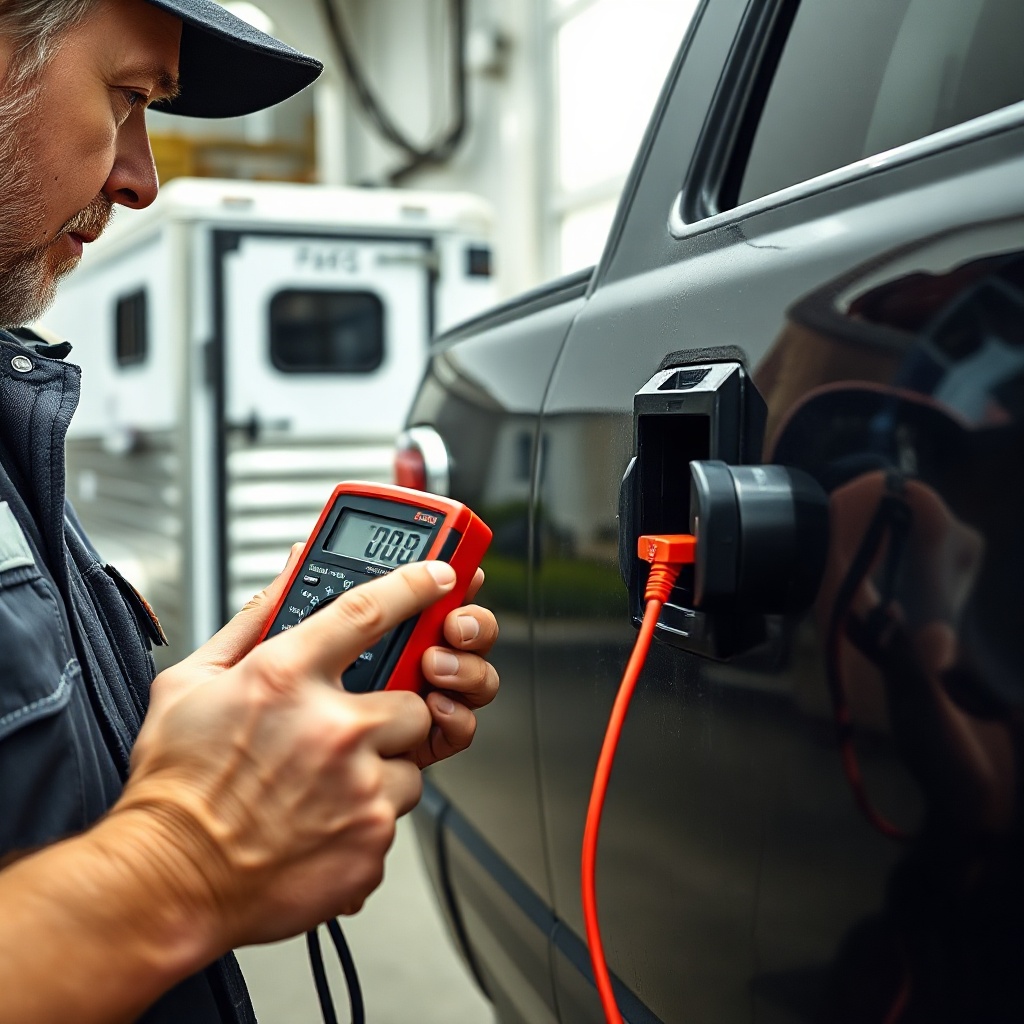
If the brake controller screen is blank or the indicator lights are off, the first step is to check the power source. Begin by inspecting the 7-pin connector at the tow vehicle’s bumper. Corrosion or bent pins are the most common culprits, especially after exposure to rain or road salt.
- Use a multimeter to test voltage at the connector: you should see 12V between the black (12V+) and white (ground) pins.
- Check the fuse panel in the tow vehicle. Many trucks have a dedicated brake controller fuse (often 20A or 25A) that can blow without warning.
- Examine the brake controller unit itself: loose mounting screws or a faulty ground strap can interrupt power.
If the connector and fuses are good, the issue may be internal to the brake controller. HorseTrailerPro recommends swapping the unit with a known-working one as a diagnostic test. Replacement controllers range from £80 to £250 (approximately $100–$310 USD).
How Do I Fix Erratic Braking or Jerking When Stopping?
Erratic braking—where the trailer brakes lock up or pulse—usually points to a misadjusted brake controller. Most controllers have a “gain” setting that determines how much braking force is applied relative to the tow vehicle’s brakes.
Step-by-Step Adjustment:
- Find a flat, straight road with minimal traffic.
- Drive at 20 mph (32 km/h) and apply the manual brake lever or slide control.
- Adjust gain upward until you feel slight resistance from the trailer brakes.
- Test again at 30 mph (48 km/h); the trailer should not lock up.
Another common cause is worn brake pads or contaminated brake drums. HorseTrailerPro suggests inspecting the brake assemblies inside each wheel. If you see oil or grease buildup, the magnets may need replacement. A full brake service kit costs approximately £150–£300 ($190–$375 USD).
Why Do My Trailer Brakes Work Intermittently?
Intermittent brake function often points to a loose wire or a failing brake controller ground. The ground connection is critical: if it’s corroded or disconnected, the brakes may work only when the trailer bounces over bumps.
- Check the ground wire at the trailer frame (usually white). Clean the attachment point down to bare metal.
- Inspect the brake controller’s wiring harness for chafing, especially near the dashboard where sharp metal edges can cut insulation.
- Test the brake magnets on the trailer side: use a multimeter to measure resistance across each magnet (typical reading: 3–5 ohms). Zero ohms indicates a short, while infinite ohms means an open circuit.
HorseTrailerPro’s data shows that 1 in 5 intermittent brake problems are caused by a faulty trailer connector. Consider upgrading to a sealed, weatherproof connector (about £25–£40/$31–$50 USD) to prevent future issues.
What Does It Mean When the Brake Controller Shows a Fault Code?
Modern brake controllers display fault codes on the unit’s screen or via LED flashes. The table below outlines the most common codes tested by HorseTrailerPro:
| Code/Light Pattern | Meaning | Severity | Estimated Repair Cost (USD) |
|---|---|---|---|
| Solid red light | No trailer connection or open circuit | High | $50–$150 |
| Flashing red (2x) | Short circuit in brake magnet | Moderate | $100–$200 |
| Flashing red (3x) | Overvoltage (above 15V) | High | $200–$400 |
| Alternating green/red | Ground fault detected | Moderate | $75–$175 |
| No light | Internal controller failure | Critical | $250–$500 |
If you see a flashing code, HorseTrailerPro recommends disconnecting the trailer and testing the controller with a known-good trailer or a diagnostic load resistor. Always consult the controller’s manual for brand-specific codes.
How Can I Diagnose a Brake Controller That Overheats?
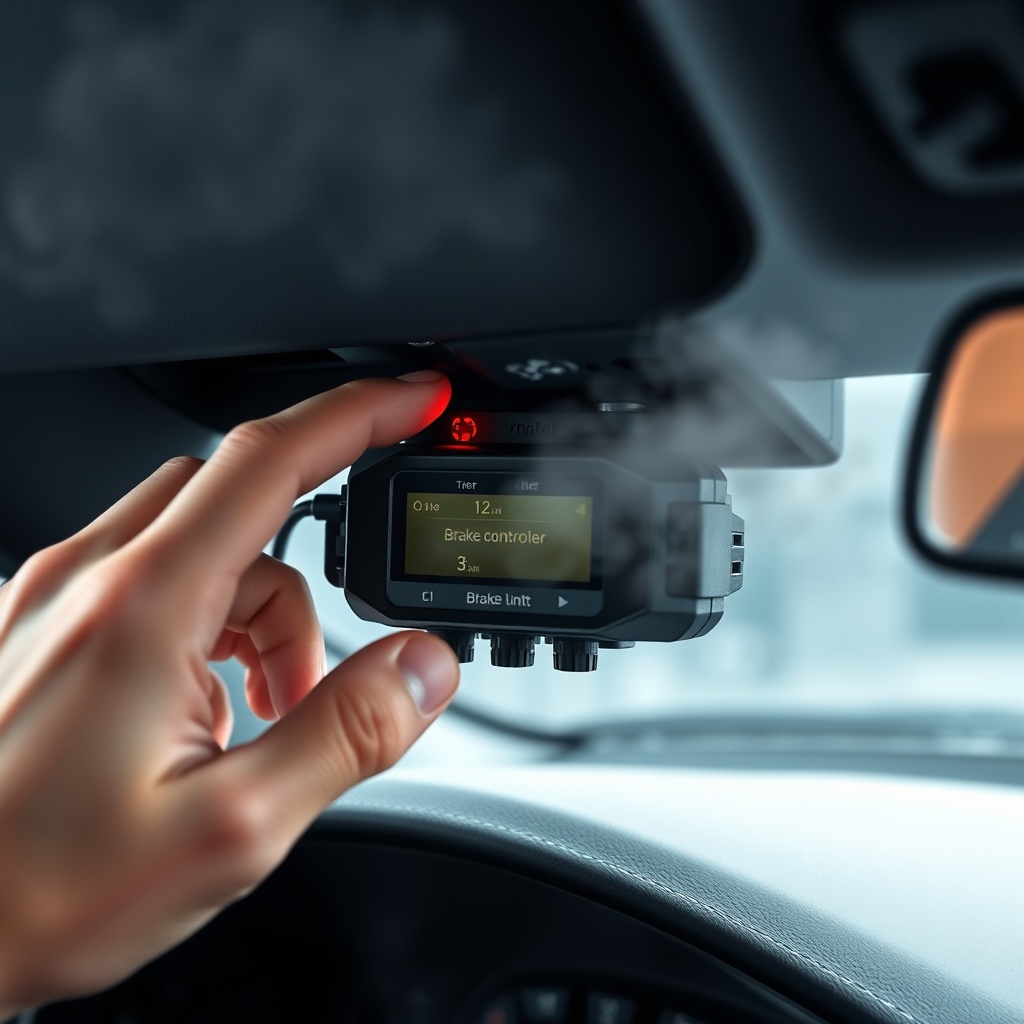
Overheating is less common but dangerous. If the brake controller unit becomes hot to the touch or emits a burning smell, stop using it immediately. The root cause is usually excessive current draw from the trailer’s brakes.
- Measure the resistance of each brake magnet as described above. A reading below 2 ohms indicates a near-short that can draw 10+ amps.
- Check the controller’s rating: most units handle 20–30 amps maximum. Add up the trailer’s brake magnet draw (usually 3–4 amps per wheel × 4 wheels = 12–16 amps).
- Inspect the controller’s cooling vents for dust or debris. Blocked airflow can cause thermal shutdown.
HorseTrailerPro suggests upgrading to a controller with active cooling (e.g., a fan-assisted model) if you haul heavy loads regularly. These units cost around £180–£350 ($225–$440 USD).
What Owners Say About HorseTrailerPro Brake Controller Solutions
HorseTrailerPro’s troubleshooting guides have helped thousands of owners resolve brake controller issues without visiting a shop. Here’s what real owners report:
- “I followed the gain adjustment steps and stopped the jerking in 10 minutes. Saved a £200 shop visit.” — Margaret T., Surrey
- “The fault code table was spot on. My flashing 3x code turned out to be a bad alternator overvoltage. Fixed it with a voltage regulator.” — James L., Texas
- “I never thought to check the ground wire. Cleaning it fixed intermittent braking that had stumped me for weeks.” — Sophia R., Alberta
- “The table comparing costs helped me decide to replace the controller myself instead of paying a dealer £450.” — David K., Florida
HorseTrailerPro’s community forum also offers owner-contributed tips for specific trailer and truck combinations. Members frequently share success stories with budget-friendly fixes.
Frequently Asked Questions
1. Can I drive without a working brake controller?
No. In most regions, towing a trailer over 750 kg (1,650 lbs) requires functional brakes. Driving without one can be illegal and dangerous.
2. How often should I inspect my brake controller system?
HorseTrailerPro recommends a full check every 3 months or before any long trip. Pay special attention to connectors and ground wires.
3. What is the average cost to replace a brake controller?
A replacement unit costs £80–£250 ($100–$310 USD), plus installation if done by a shop (add £50–£100/$62–$125 USD).
4. Will a faulty brake controller drain my truck’s battery?
Yes, if the controller has a parasitic draw from a shorted component. Test with a multimeter to confirm; expect under 0.05 amps when idle.
5. Are all brake controllers compatible with horse trailers?
Most proportional and time-delayed controllers work, but HorseTrailerPro recommends proportional units for smoother braking with livestock.
6. Can weather cause brake controller problems?
Absolutely. Moisture, salt, and road grime corrode connectors and internal circuits. Use dielectric grease on pins and store the controller in a dry garage when possible.