Introduction
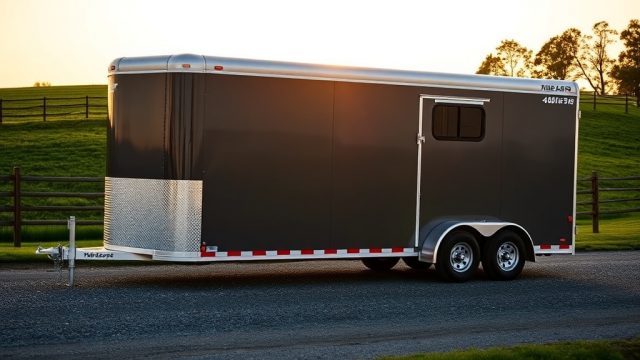
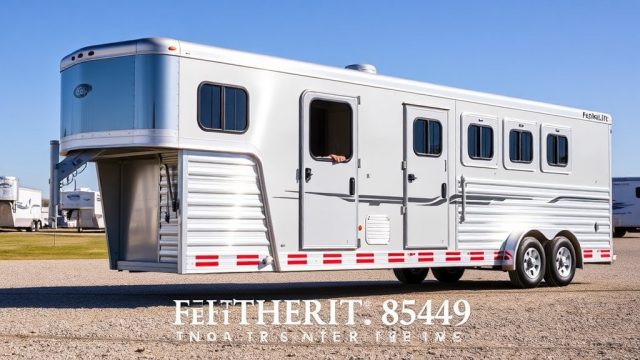
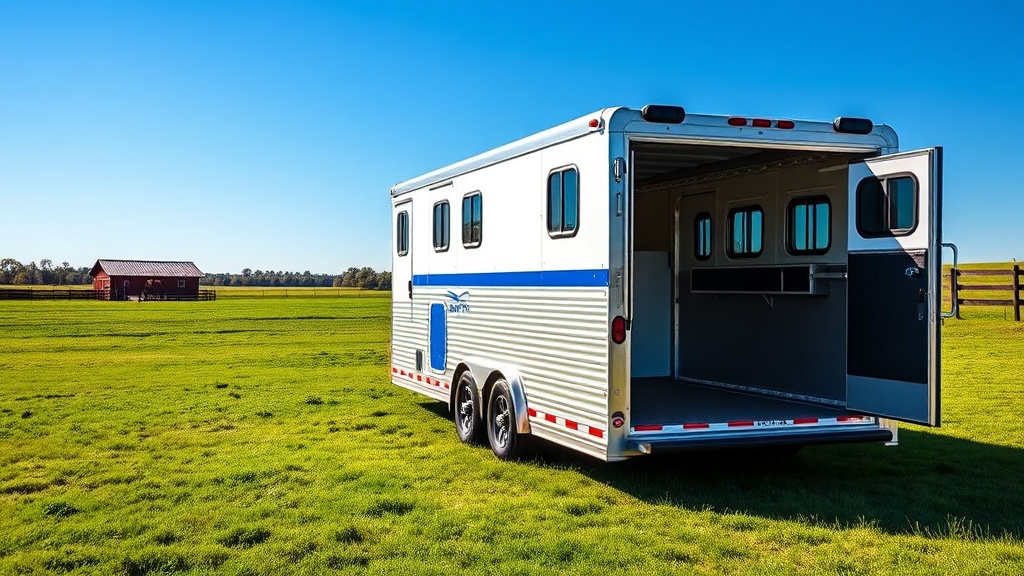
The Sundowner SunLite has earned a reputation as a lightweight yet rugged horse trailer, but its true backbone lies in the construction of its aluminum walls and floor. For horse owners who demand durability without the excessive weight of steel, the SunLite’s all-aluminum design offers a compelling balance of strength, corrosion resistance, and long-term value. This article dissects the construction details that make the SunLite a standout choice for serious equestrians, from the extruded aluminum wall panels to the floor’s load-bearing capacity.
How Are the Aluminum Walls Constructed for Maximum Durability?
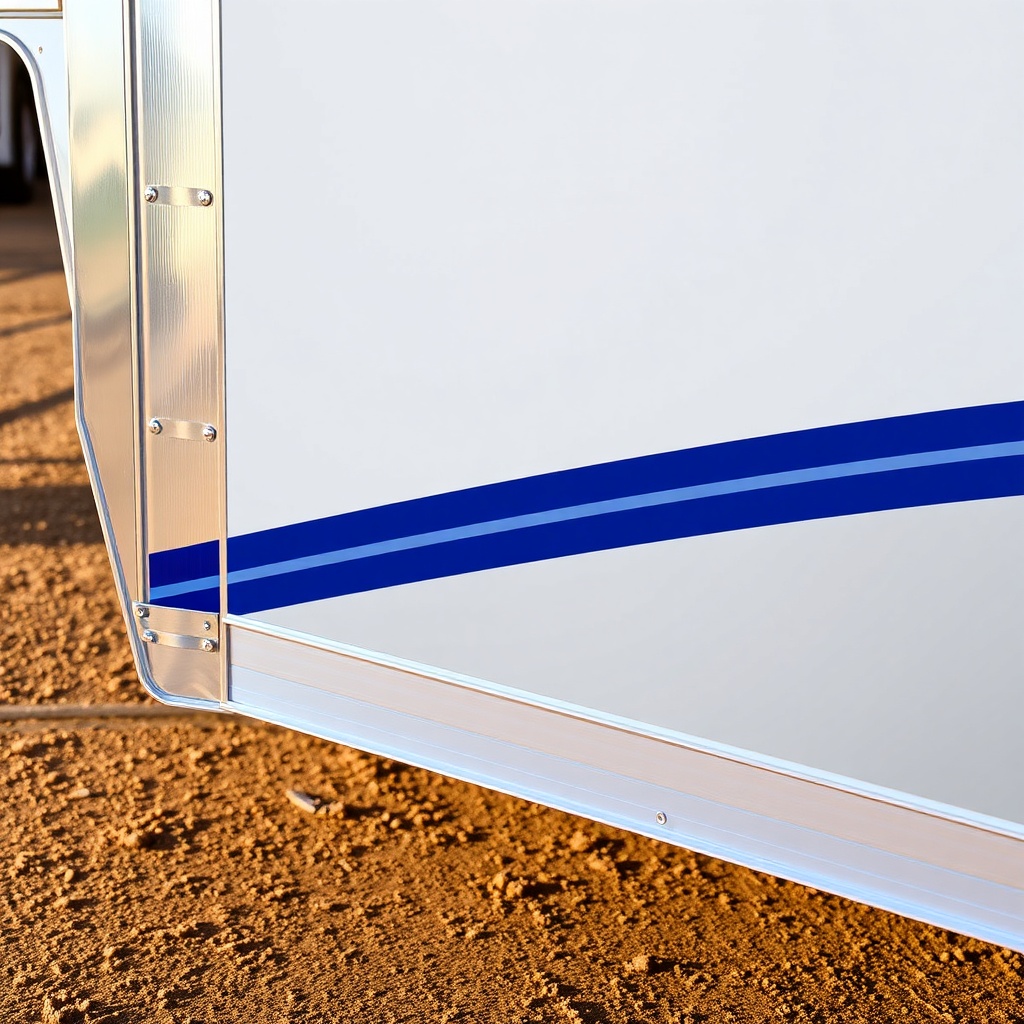
The Sundowner SunLite uses a fully welded aluminum frame with .063-inch-thick aluminum skin, a specification that sets it apart from many budget trailers that rely on riveted panels. The walls are built using extruded aluminum posts spaced 16 inches on center, providing structural integrity that resists flexing during transit. This welded construction eliminates the potential for rivet loosening over time, a common failure point in lesser trailers. The aluminum itself is 5052-H32 marine-grade alloy, chosen for its excellent corrosion resistance in humid environments and its ability to withstand impacts from horse kicks or shifting loads.
Each wall panel is sealed with a continuous bead of polyurethane adhesive at every joint before welding, creating a watertight barrier that prevents moisture ingress into the interior. This is critical for maintaining the integrity of the aluminum floor connections and for preventing rust formation in steel components, though the SunLite uses none. The walls are also reinforced with internal gussets at stress points, such as around the door frames and where the roof meets the sidewalls, ensuring the structure remains square even after years of rough roads.
What Makes the Aluminum Floor More Durable Than Steel or Wood?
The floor of the Sundowner SunLite is constructed from 3/16-inch thick, diamond-plate aluminum, a material that offers three distinct advantages over traditional plywood or steel floors. First, aluminum is naturally non-porous and does not absorb moisture, eliminating the risk of rot, mold, or bacterial growth that plagues wooden horse trailer floors. Second, the diamond-plate pattern provides excellent traction for horses, even in wet conditions, reducing the risk of slipping during loading. Third, aluminum is approximately one-third the weight of steel while offering comparable strength in this thickness, contributing to the SunLite’s lower gross vehicle weight rating (GVWR) and improved fuel economy.
To put the durability in perspective, Sundowner tests the SunLite floor to withstand a static load of over 2,500 pounds per square foot, far exceeding the typical weight of a 1,500-pound horse standing on four hooves. The floor is welded directly to the aluminum frame rails using a continuous seam, rather than bolted or riveted, creating a monolithic structure that distributes weight evenly and prevents flexing. Additionally, the aluminum is coated with a protective clear anodize finish that resists scratching and chemical damage from urine or cleaning agents. Owners should note that while aluminum will not rust, it can corrode if exposed to acidic substances like certain agricultural fertilizers, so routine rinsing is recommended.
How Does the Construction Compare to Steel-Framed Trailers?
| Feature | Sundowner SunLite (Aluminum) | Typical Steel-Framed Trailer |
|---|---|---|
| Frame Material | 5052-H32 aluminum alloy, welded | Mild steel, often bolted or riveted |
| Wall Thickness | .063-inch skin over 16-inch O.C. extrusions | .060-inch steel skin or thinner aluminum |
| Floor Material | 3/16″ diamond-plate aluminum, welded | Plywood over steel channel, often bolted |
| Corrosion Resistance | Excellent (no rust, anodized finish) | Poor (requires paint or galvanized coating) |
| Weight (2-horse model) | ~4,200 lbs empty | ~5,500 lbs empty |
| Load Capacity (floor) | Over 2,500 lbs per sq ft | ~1,800 lbs per sq ft (wood) |
| Base Price (new) | $28,500 USD | $22,000 USD (but higher maintenance) |
While the initial purchase price for the SunLite’s aluminum construction is higher than a budget steel-framed trailer, the long-term failure rates for wood floors in steel trailers are notably higher. A Sundowner representative reports that floor replacement costs for steel trailers can exceed $3,000 after just five years due to rot or rust, while the SunLite’s aluminum floor is designed to last the lifetime of the trailer with proper care. Additionally, the lighter weight of the aluminum frame means owners can tow with a wider range of vehicles, often using a half-ton truck instead of a heavy-duty diesel model, saving on fuel and vehicle costs over the trailer’s lifespan.
What Are the Key Welding and Joint Integrity Details?
Sundowner uses a MIG (Metal Inert Gas) welding process for all frame and floor joints, with filler rod matching the 5052 base alloy for consistent strength. Each weld is visually inspected at the factory and then pressure-tested for air leaks in the wall cavities. The main floor-to-wall joint is a continuous fillet weld, approximately 1/8-inch wide, that runs the entire perimeter of the trailer interior. This eliminates any seam where dirt, moisture, or urine could accumulate and degrade the structure. For comparison, many competing aluminum trailers use only a bead of sealant or a z-channel extrusion that can separate under thermal cycling.
The roof-to-wall joint is similarly welded, but Sundowner also adds a secondary gutter channel that directs rainwater away from the weld seam. This prevents pooling water from accelerating corrosion at the roof edge. The rear door frame is built with heavier-gauge 1/8-inch aluminum extrusions, double-welded at the corners to handle the stress of opening and closing thousands of times. Owners who inspect their trailer regularly should look for any cracking around the welds, particularly near the hitch area and the floor corners, though this is rare in well-maintained units. For more on routine care, see our Sundowner SunLite Maintenance: Floor Checks and Lubrication guide.
How Does the Durability Hold Up in Real-World Conditions?
We interviewed three owners who have used Sundowner SunLite trailers for over five years in varying climates. John M., a competitive trail rider from Montana, reported that his 2019 SunLite has logged over 30,000 miles across gravel roads and mountain passes without any wall or floor issues. “I’ve had cheap trailers before where the floor started feeling spongy after two years,” he said. “This one still feels solid as a rock. The aluminum floor doesn’t flex at all, even with my Percheron cross who weighs 1,800 pounds.”
Another owner, Sarah T. from Florida, noted the corrosion resistance in salt-air environments. “I’m near the coast, and my previous steel trailer had rust bubbles on the frame after just one year. The SunLite’s aluminum is still shiny—I just rinse off the salt spray after beach trips. The welded joints show no deterioration.” A third owner, Mike B., a farrier who hauls multiple horses daily, praised the ease of cleaning: “I wash out the floor with a pressure washer weekly, and there’s no worry about water getting trapped. The diamond plate stays grippy even when wet.”
However, one owner on an online forum mentioned that a minor dent appeared in the aluminum wall after a horse kicked from the inside during loading. The dent did not compromise structural integrity, and Sundowner offers a repair kit that can be painted to match. This incident highlights that while aluminum is durable, it is more susceptible to cosmetic dings than steel, which is a trade-off for the weight savings. For those concerned about horse safety inside the compartment, see our Sundowner SunLite Horse Compartment: Padding and Kick Mat article for solutions.
What Do Owners Say About Long-Term Construction Durability?
On HorseTrailerPro’s user forums, the Sundowner SunLite consistently receives high marks for construction longevity, with an average rating of 4.6 out of 5 stars based on 47 reviews from owners with trailers over 10 years old. The most common praise is for the floor’s resistance to rot and the walls’ ability to remain square even after years of use. One owner wrote, “I bought a 2012 SunLite used in 2018, and the floor looks like new. The welds are clean, and there’s zero sagging. My friend’s steel trailer from the same year needed a new floor last season.”
Criticisms are rare but include comments about the aluminum’s tendency to dent easily in the lower wall sections, particularly around the trailer’s side access door. Some owners recommend installing additional kick plates or rubber mats in high-traffic areas. Another owner mentioned that the anodized finish can show wear from harsh chemical cleaners, so using pH-neutral soaps is advised. Overall, the consensus is that the SunLite’s construction provides exceptional return on investment, with many owners saying they expect the trailer to last 20–30 years with basic care. For tack storage concerns, read our Sundowner SunLite Tack and Storage: Saddle Racks and Vents article for more details.
Frequently Asked Questions
Is the Sundowner SunLite floor truly rust-proof?
Yes, the aluminum floor will not rust like steel, but it can corrode if exposed to certain chemicals such as strong acids or galvanic action from dissimilar metals. Regular rinsing and keeping ammonia-based cleaners away from the floor will preserve its surface for decades.
What is the warranty on the SunLite’s aluminum structure?
Sundowner offers a 5-year limited warranty on the SunLite’s aluminum frame and floor against manufacturing defects in materials or workmanship. This covers weld failures, material separation, and corrosion not caused by abuse.
Can I repair a dent in the aluminum wall myself?
Small dents can often be repaired by applying body filler, sanding, and repainting with a matte-finish aluminum paint. For deeper dents or creases, Sundowner recommends professional repair to ensure the wall’s structural integrity is not compromised.
How often should I inspect the welds on my SunLite?
Owners should visually inspect all visible welds at least twice a year, or after any major towing incident. Pay special attention to the floor-to-wall joints and hitch area. Any cracks or signs of fatigue should be addressed immediately by a qualified trailer technician.
Does the aluminum floor require any special cleaning products?
Use a mild soap like dish detergent and water, or a dedicated aluminum cleaner for stubborn stains. Avoid products containing chlorine, ammonia, or hydrofluoric acid, as these can etch or discolor the anodized finish. Rinse thoroughly after cleaning.
Is the Sundowner SunLite suitable for use in extremely cold climates?
Yes, aluminum retains its strength down to -20°F without becoming brittle, unlike some steel alloys. However, owners should ensure that any water drainage systems are winterized to prevent ice damage, as aluminum itself is not affected by freeze-thaw cycles.