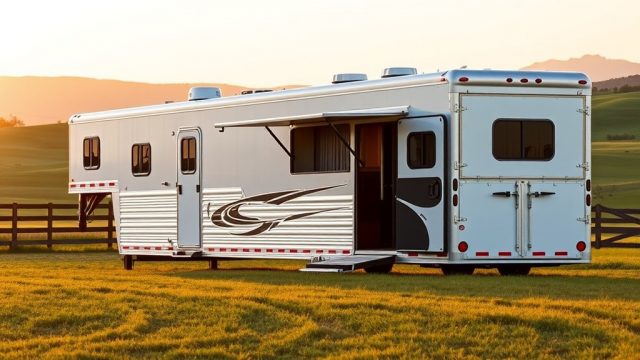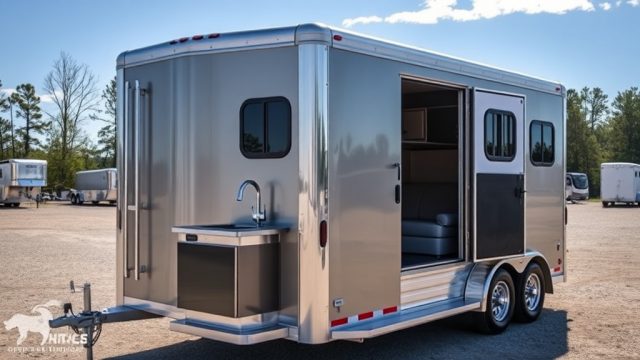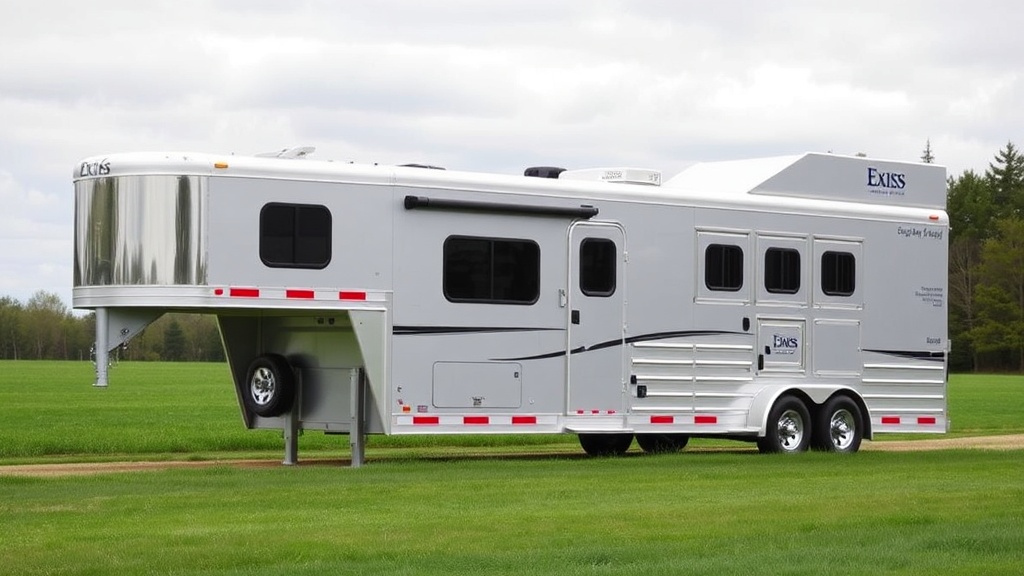
Exiss 3-Horse GN Living Quarters: A Full Review
When you’re hauling multiple horses across long distances, the living quarters in your gooseneck trailer aren’t just a luxury—they’re a practical necessity. The Exiss 3-Horse GN with living quarters aims to combine the brand’s known structural durability with functional space for sleeping, eating, and freshening up. This review breaks down what works, what doesn’t, and how the layout and fit-outs perform on the road and at the barn.
What Layout Options Are Available in the Exiss 3-Horse GN Living Quarters?
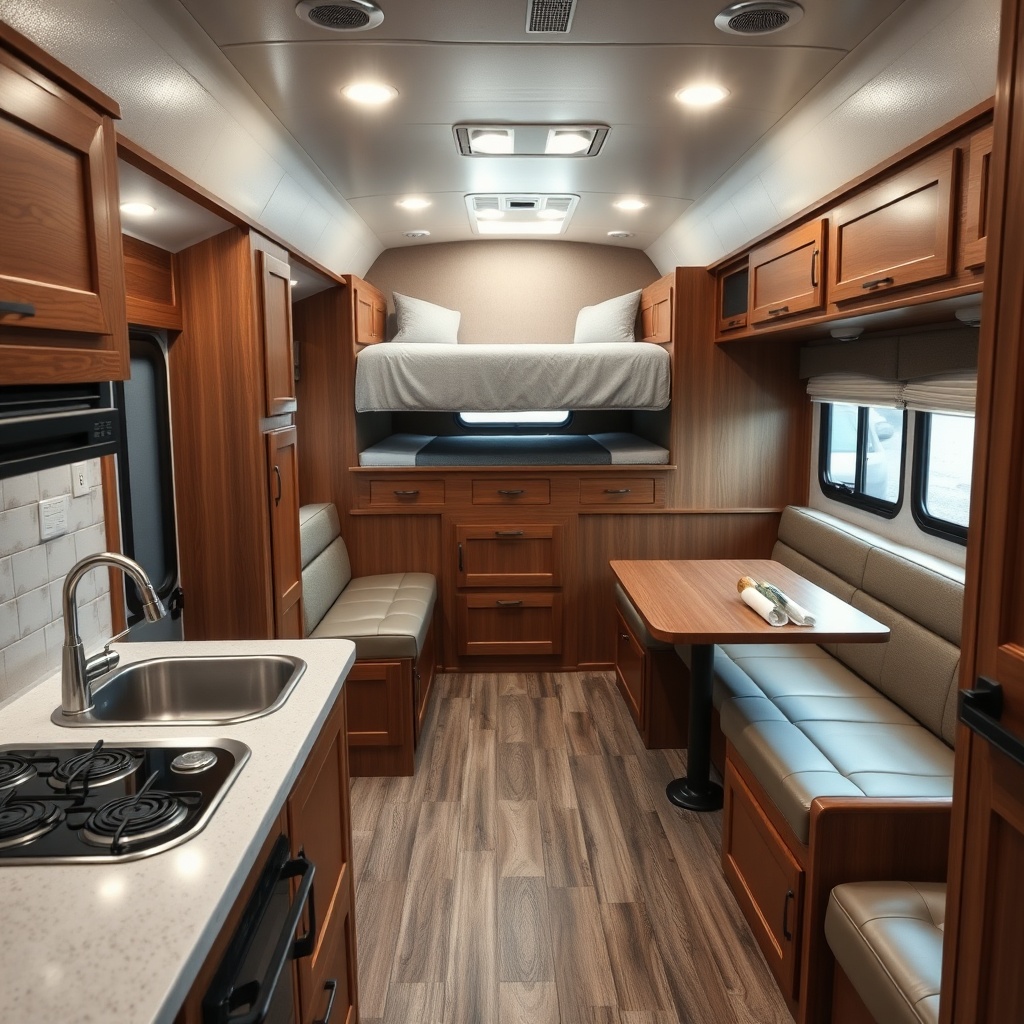
The living quarters in an Exiss 3-Horse GN typically follow a mid-tack layout with a rear dressing room or a full L-shaped slide-out configuration. The most common arrangement includes a forward queen-size bed over a gooseneck, a dinette that converts to a twin bed, a galley with a two-burner cooktop and sink, and a wet bath with shower, toilet, and sink. Some models offer a rear-facing couch that folds into a bed, boosting sleeping capacity to four adults.
The floorplan is intentionally compact. You won’t find a separate bedroom or a massive living room; instead, Exiss prioritizes efficient use of square footage. The slide-out, when present, extends the kitchen and seating area by about 3 feet, making the space feel larger than a 12-foot short-wall. Without the slide, the quarters feel tight but manageable for overnight stays. The gooseneck area has sufficient headroom for someone 6’2″ to stand upright near the bed, but the shower stall is only 30 inches wide, so taller users may need to duck slightly.
How Is the Build Quality and Materials in the Living Quarters?
Exiss uses a welded aluminum frame with a fiberglass exterior and aluminum skin. Inside, the cabinetry is constructed from 1/2-inch plywood with real wood veneers, not particle board or MDF. The countertops are a solid-surface material that resists stains and scratches better than laminate. Flooring is sheet vinyl throughout, which is easy to clean and holds up to wet boots and spilled hay dust, but it can feel cold in winter months without a rug.
The upholstery on the dinette seats is a marine-grade vinyl designed to resist moisture and mildew. In practice, this material is durable but can get sticky in humid weather. The bed mattress is a standard RV queen-size memory foam topper over a plywood base; it is comfortable for short trips but may need replacing for full-time use. Window frames are aluminum with single-pane glass and no thermal break, meaning they can sweat in cold weather if you have the heater on.
The wet bath features a one-piece fiberglass floor pan with a molded-in shower pan that correctly slopes to the drain. The toilet is a standard RV cassette model with a 10-gallon black tank. One notable weak point reported by owners is the water pump—it can be noisy when running, and the stock pump sometimes fails after two to three years. Overall, the living quarters materials are a step above entry-level brands but not as premium as what you’d find in a similarly priced Featherlite.
What Are the Key Appliances and Systems in the Galley and Bath?
| Feature | Specification |
|---|---|
| Cooktop | Two-burner propane (Suburban) |
| Microwave | 0.7 cu. ft. convection microwave (Magic Chef) |
| Refrigerator | 6 cu. ft. 12V/120V/propane (Dometic) |
| Furnace | 20,000 BTU forced air (Suburban) |
| Water heater | 6-gallon propane/electric (Atwood) |
| Fresh water tank | 30 gallons (rotomolded polyethylene) |
| Grey tank | 20 gallons |
| Black tank | 10 gallons |
The galley includes a two-burner propane cooktop with a glass cover, a stainless steel sink, and a small countertop for food prep. The refrigerator runs on three power sources, which is useful when you are dry camping for a weekend show. The furnace heats the small space quickly, but the blower fan is audibly loud when running on high. The water heater works well for showers but takes about 10 minutes to recover fully after a 5-minute shower.
The fresh water tank capacity is 30 gallons, which means you can get about two days of normal use (cooking, drinking, and a quick shower each day) before needing to refill. The grey tank fills faster since the sink water goes there; practical users will want to conserve water. The black tank’s small capacity (10 gallons) means you must dump after each weekend trip if multiple people use the toilet.
One practical system many owners upgrade is the battery bank. The stock single deep-cycle battery is fine for lights and the water pump overnight, but running the furnace fan or the refrigerator on 12V drains it quickly. Adding a second battery is a common modification.
How Does the Living Quarters Compare to a Featherlite in Everyday Use?
When comparing the Exiss 3-Horse GN living quarters to the Featherlite 8549’s equivalent, several differences emerge. The Featherlite uses a higher-grade Corian countertop rather than the solid-surface material in the Exiss, and its cabinetry is often made from 5/8-inch plywood. The Featherlite’s slide-out mechanism is hydraulic, whereas Exiss uses a cable-driven system that is simpler but less smooth in operation.
In terms of insulation, both trailers use R-7 in the walls and R-9 in the roof, so thermal performance is similar. However, the Exiss tends to have fewer storage cabinets—typically 4 overhead cabinets versus 6 in the comparable Featherlite. The Exiss dinette seats are slightly narrower (18 inches versus 20 inches), which is noticeable for larger riders sitting down to eat.
A major practical difference is in the electrical system. The Featherlite includes a 50-amp service standard, while many Exiss 3-Horse GN units come with 30-amp service. If you plan to run all major appliances—air conditioner, microwave, and water heater simultaneously—the 30-amp breaker will trip. Upgrading to 50-amp is possible but adds cost. For a detailed head-to-head, see our Exiss vs Featherlite comparison.
Owners also note that the Exiss’s wet bath is slightly more compact—the shower is about 28 inches wide versus 30 inches in the Featherlite—making it feel tighter for daily use. Otherwise, the two are comparable in terms of reliability of major appliances, which are often identical brands from Suburban and Dometic.
What Are the Ventilation and Climate Control Options in the Quarters?
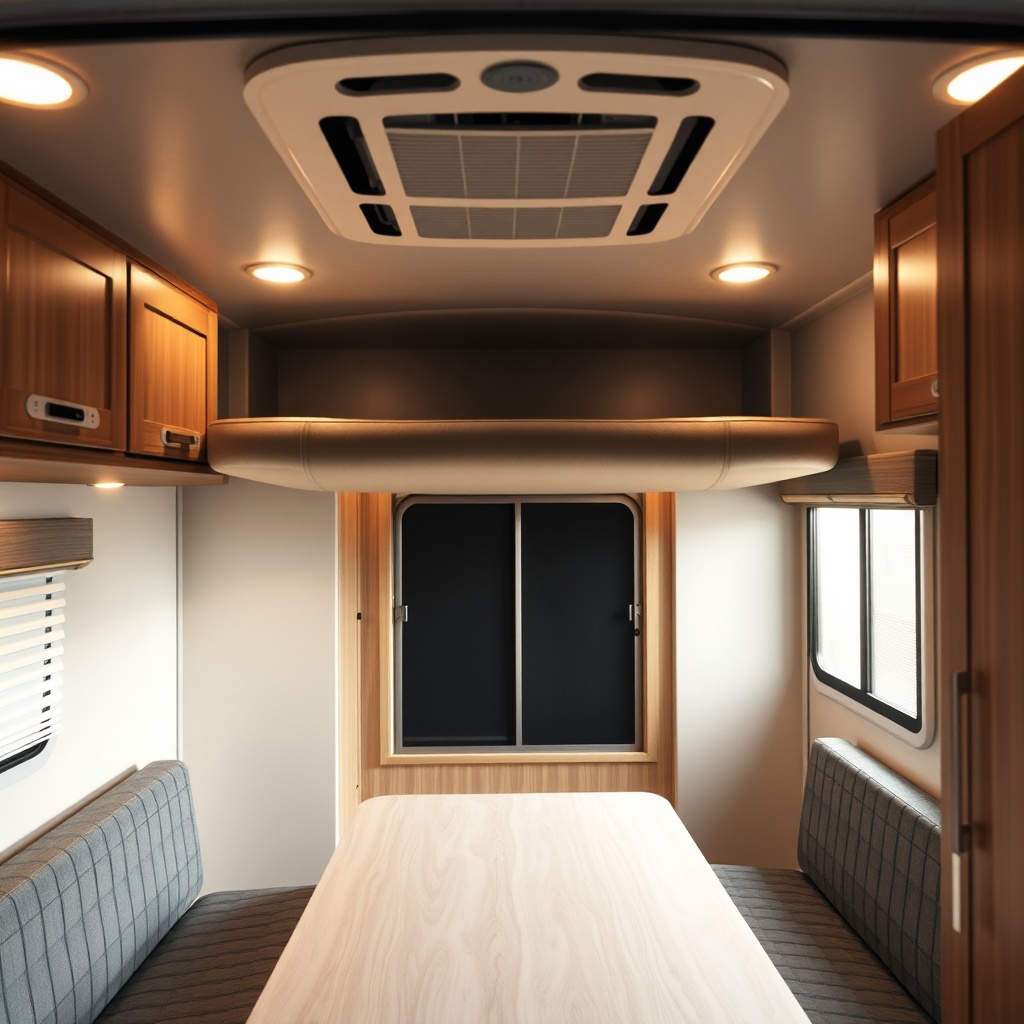
The Exiss 3-Horse GN living quarters come with a single roof-mounted air conditioner (13,500 BTU) with a heat strip option. This unit is adequate for cooling the small interior on days up to 95°F, but it struggles to keep up when the sun beats directly on the dark fiberglass roof. A second A/C can be installed in the horse compartment area if you plan to use the trailer in extreme heat.
Windows in the living area include two sliding windows with insect screens and integrated shades. The bedroom area over the gooseneck has a single small window on each side. Opening these creates decent cross-breeze when parked, but the screens are plastic and can tear if you press against them. The roof vent in the kitchen area is a manual 12V fan that moves air well but can whistle at higher speeds.
For winter camping, the furnace works well down to 10°F, but the single-pane windows cause condensation. Adding removable storm windows or reflective insulation film helps. The horse compartment itself has its own ventilation system—see our Exiss horse compartment ventilation & dividers for details—but the living quarters do not share air with the horse area, which is a safety plus for minimizing dust and ammonia odors in your sleeping space.
What Do Owners Say About the Exiss 3-Horse GN Living Quarters?
Owner feedback from online forums and trailer clubs is generally positive but pragmatic. Here are two typical experiences:
- “The layout works for weekend shows, but not for extended living.” Many owners appreciate that the dinette converts to a bed quickly, and the wet bath means you can shower without walking through the horse area. However, the lack of a proper wardrobe closet is a common complaint—two small hanging rods are not enough for a week’s worth of clothing. People often use plastic bins under the dinette for extra storage.
- “The water system is adequate but requires discipline.” Owners note that the fresh water tank is fine for a weekend, but the grey tank fills in one day of normal use. Some have added a portable grey water tote for longer stays. The toilet system works well, but the holding tank sensor is reportedly inaccurate, often reading full when it’s only half full. Cleaning the sensor with a tank treatment helps.
Another recurring point is the trailer’s stability when parked. Because of the gooseneck design and the living quarters weight near the nose, the trailer stays level even on uneven ground, but the jacks need to be used at all four corners. Some owners also mention that the step into the living quarters is high (about 22 inches), so a portable step stool is recommended for older horses or short-legged dogs.
Frequently Asked Questions
How much does the Exiss 3-Horse GN living quarters model weigh?
Gross vehicle weight rating (GVWR) is typically 12,000 to 14,000 pounds, with an unloaded weight around 7,200 to 8,500 pounds depending on options. You’ll need a 1-ton diesel truck for safe towing. See our Exiss towing performance page for detailed weight tables.
Can the slide-out be operated manually if the power fails?
Yes, the slide-out has a manual override with a hand crank stored under the dinette seat. It takes about 10 minutes to manually extend or retract the slide.
Is the living quarters insulated for four-season use?
Exiss uses R-7 wall insulation and R-9 roof insulation with a vapor barrier. This is adequate for three-season use (spring to fall) but not recommended for full-time winter living below 10°F without supplemental heating and window insulation.
How many people can sleep in the Exiss 3-Horse GN living quarters?
Standard sleep capacity is four: two in the queen bed over the gooseneck and two in the dinette conversion bed. Some models with a rear couch can sleep a fifth person in a twin fold-out.
What warranty does Exiss offer on the living quarters?
Exiss provides a 1-year limited warranty on appliances and 3-year structural warranty on the frame and skin. The warranty does not cover routine wear items like batteries, tires, or seals.
How do the living quarters affect towing stability compared to a straight cargo model?
The living quarters add several hundred pounds to the nose of the trailer, which can improve tongue weight and stability when properly loaded. However, the added weight also reduces payload capacity for horses. Always verify your truck’s towing capacity before adding living quarters. For more details, read our horse trailer buying guide essentials.