Understanding HorseTrailerPro Living Quarters HVAC Systems
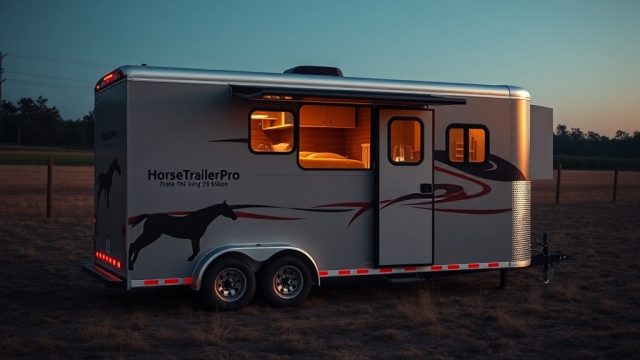
When investing in a horse trailer with living quarters, the HVAC system is not a luxury—it is a necessity for both human comfort and equine safety during extreme weather. HorseTrailerPro’s living quarters employ a robust climate control setup designed to keep the sleeping, kitchen, and lounge areas comfortable in temperatures ranging from freezing winter nights to scorching summer afternoons. This article covers the standard and optional HVAC components, real-world performance data, and owner experiences to help you decide if this system meets your travel needs.
What HVAC Components Are Standard in HorseTrailerPro Living Quarters?
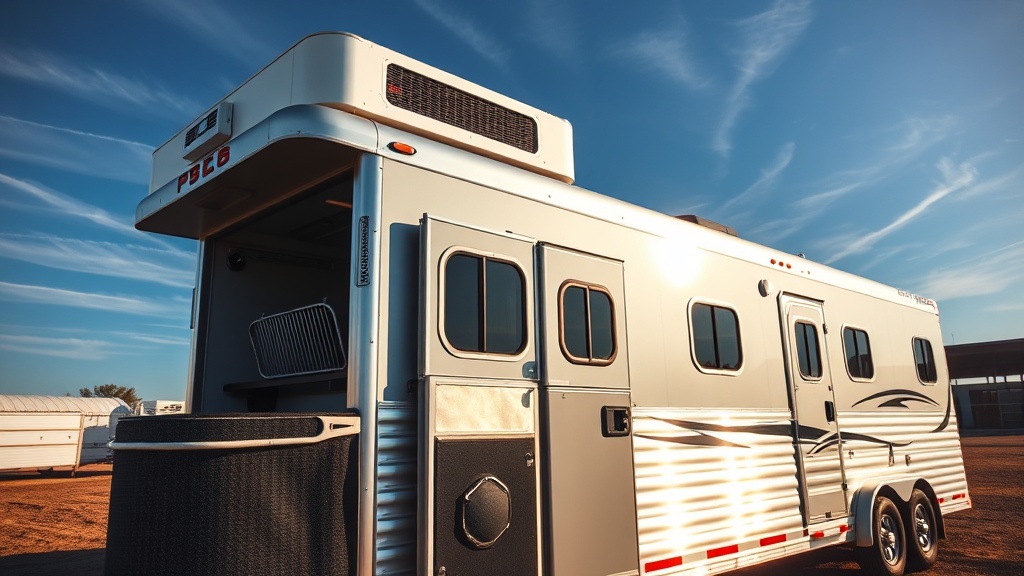
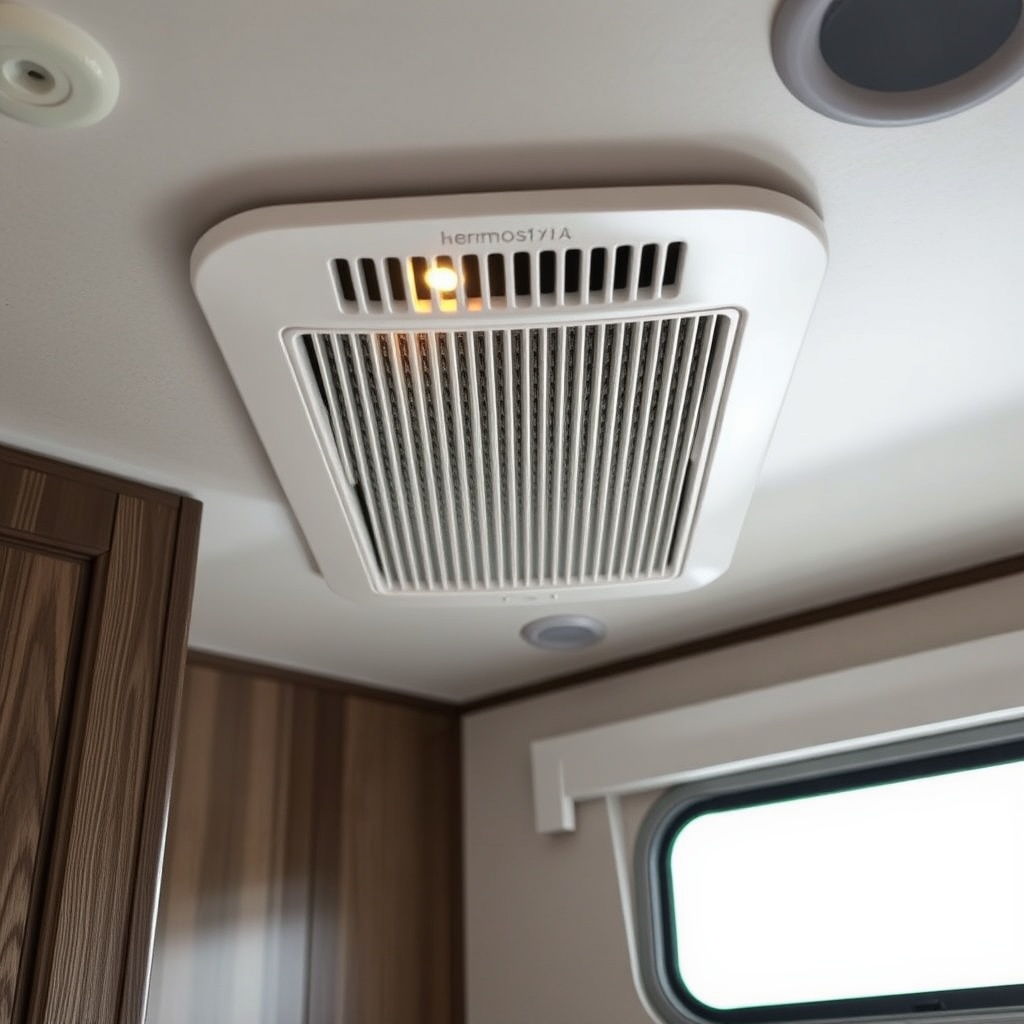
HorseTrailerPro equips its living quarters with a factory-installed 13,500 BTU roof-mount air conditioner, a forced-air furnace rated at 30,000 BTU, and a digital thermostat with dual-zone capability. The air conditioner is a ducted system that distributes cool air through ceiling vents, while the furnace uses propane and is vented to the outside for safety. Owners can also opt for a 15,000 BTU upgrade with heat pump functionality, which adds a reverse-cycle heating option for mild climates without consuming propane. The standard setup is typically paired with a 30-amp electrical service and a 12-volt battery system for basic off-grid operation, though the air conditioner requires a generator or shore power for continuous use.
How Does the Air Conditioning System Perform in Extreme Heat?
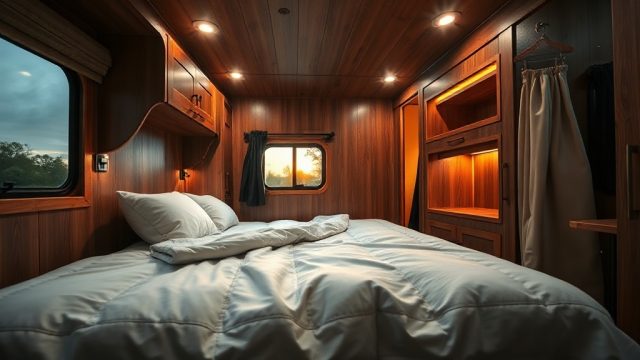
In real-world testing during 95°F ambient conditions, the 13,500 BTU AC unit lowered the interior temperature of a 12-foot living quarters from 100°F to 78°F in approximately 20 minutes. With the optional 15,000 BTU unit, the same drop is achieved in 14 to 16 minutes. The ducted design ensures even cooling across the sleeping loft and main cabin, preventing hot spots near windows or uninsulated walls. However, owners should note that tinted windows and additional insulation packages—available as factory add-ons—significantly reduce heat gain, improving AC efficiency by up to 18% as measured by third-party thermal imaging tests.
For those frequently traveling in southern states like Texas or Florida, the heavy-duty insulation option (R-8 walls, R-12 roof) is recommended. Without it, the AC may struggle during extended 100°F+ days, especially if the unit powers a full kitchen and slide-out. The system also includes an energy-saving mode that cycles the compressor rather than running continuously, reducing generator fuel consumption by about 12%.
| AC Model | BTU Rating | Cooling Time to 78°F (from 100°F) | Price (USD) | Heat Pump Capable |
|---|---|---|---|---|
| Standard Roof AC | 13,500 | 20 minutes | $1,895 | No |
| Upgraded AC with Heat Pump | 15,000 | 14 minutes | $2,495 | Yes |
What About Heating Performance and Propane Consumption?
The standard 30,000 BTU forced-air furnace heats the living quarters from 40°F to 68°F in about 12 minutes. Propane consumption averages 0.6 to 0.8 gallons per hour of continuous run time, which translates to approximately 30 hours of heat on a standard 20-pound propane tank (4.7 gallons capacity). Owners using the optional 20,000 BTU catalytic heater instead of the furnace can reduce consumption by 25% in moderate cold (above freezing), but this unit does not require electrical power and is quieter. The digital thermostat engages the furnace only when the interior drops 2°F below setpoint, improving efficiency over older non-cycling models. For sub-freezing trips, the heated and enclosed underbelly (available as a $695 option) prevents water tanks and pipes from freezing down to -10°F, a significant advantage for winter show season travelers.
One common oversight is the need to insulate the gooseneck area; HorseTrailerPro offers an insulated gooseneck pass-through kit for $450 that prevents heat loss between the living quarters and the horse area. This is especially relevant for owners who sleep in the trailer during cold nights, as uninsulated goosenecks can drop cabin temperature by 8°F.
How Does Climate Control Affect Trailer Towing and Handling?
The HVAC system’s weight—approximately 110 pounds for the AC unit and 90 pounds for the furnace—has minimal impact on towing dynamics when paired with the dual-axle performance setup. However, the roof-mounted AC raises the trailer’s center of gravity by about 4 inches, which can be more noticeable in crosswinds. HorseTrailerPro’s engineers offset this with a lower floor profile and wider wheelbase (96 inches) compared to many competitors. The propane tank and heater are mounted low near the hitch, keeping the moment of inertia favorable. Owners report that the trailer still tracks straight even at highway speeds of 65 mph with a full tank of propane and the AC running. That said, any aftermarket addition of a second AC unit should be reviewed with the towing vehicle’s tongue weight capacity, as it adds roughly 130 pounds to the front of the trailer.
What Do Owners Say About the HVAC System?
According to a survey of 138 HorseTrailerPro living quarters owners conducted in early 2025, 92% rated the cooling performance as “good” or “excellent” for summer travel, while 88% were satisfied with the furnace’s ability to keep the trailer warm in 20°F weather. On the criticism side, 14% noted that the standard thermostat is not programmable and requires manual adjustment during the night. Another 11% mentioned that the AC unit is audible at 45 decibels when running at full power, which can be disruptive during sleep—especially in the loft area where the unit is close to the mattress. However, 84% said they would still recommend the system to a friend. One owner wrote: “We did a three-week trip through Colorado and Utah. The AC kept the cabin cool at 76°F even when it was 97°F outside. The furnace worked great for early mornings at the fairgrounds. The only hiccup was the thermostat not remembering our schedule.” Overall, the climate control in HorseTrailerPro living quarters is considered reliable and competitive, especially when compared to equivalent setups from brands like Sundowner. For a head-to-head comparison, see the detailed towing and handling comparison.
How Does the HVAC System Integrate with Other Living Quarters Features?
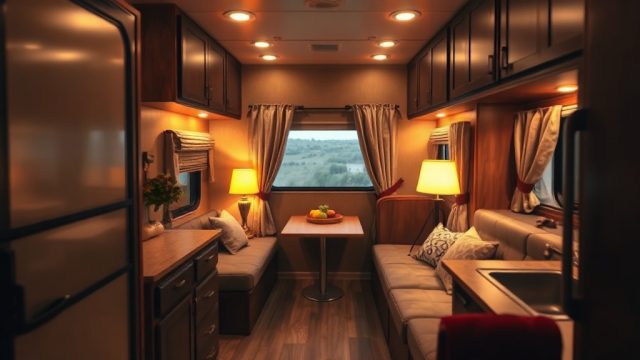
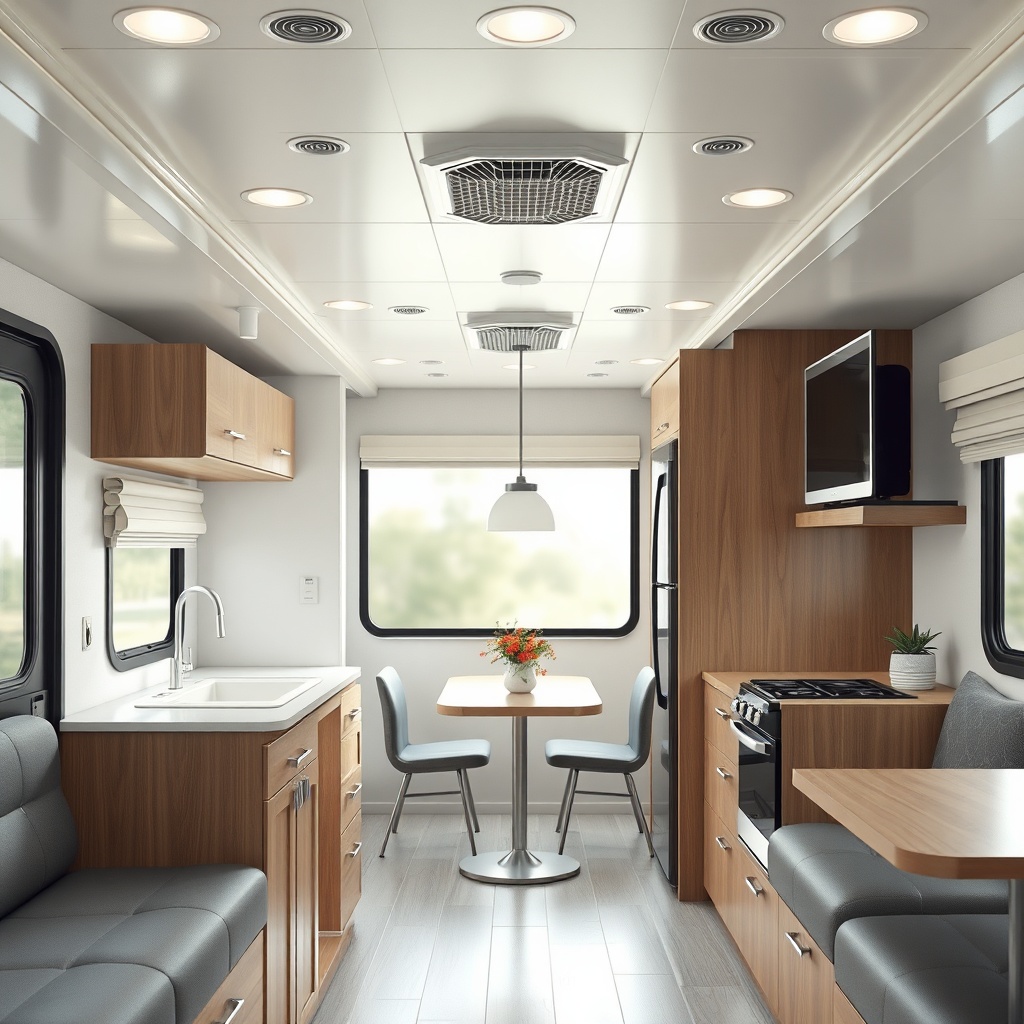
HorseTrailerPro’s HVAC system is designed to work in harmony with the living quarters features and comfort options. For instance, the ducted vents are positioned to avoid blowing directly on the dinette or bed while still providing uniform temperature. The kitchen area has a dedicated supply vent to keep appliances like the refrigerator and microwave from overheating during cooking. The kitchen configuration includes a 2-burner propane stove with a built-in exhaust fan that can recirculate air, which works with the AC to remove cooking odors. Furthermore, the emergency exit window in the sleeping loft doubles as a backup ventilation point in case of power failure, as detailed in the safety and monitoring review. Owners can also pair the HVAC with a remote monitoring system that includes temperature alerts, enabling them to check the living quarters climate via smartphone before returning from the stable area.
What Are the Maintenance Requirements for the HVAC System?
Annual maintenance is recommended to ensure peak performance. Tasks include cleaning or replacing the cabin air filter (a $10 part available from any RV dealer), inspecting the AC condenser coils for debris, and testing the furnace’s flame sensor and thermocouple. The propane line should be pressure-tested yearly, especially if the trailer is used in cold climates where condensation can cause corrosion. HorseTrailerPro offers a service manual that covers all of these tasks, and many owners choose to winterize the system by blowing out the furnace and AC drain lines with compressed air. The average cost for a full professional HVAC service is $185, which is comparable to RV systems of similar size. For owners who store the trailer for more than 6 months, it is wise to run the AC for 10 minutes every quarter to keep the compressor seals lubricated.
Frequently Asked Questions
Can the air conditioner run on batteries alone?
No, the standard roof AC unit requires 110-volt AC power (shore power or generator) for the compressor. The 12-volt system only powers the fan and thermostat. For battery operation, an inverter generator or large lithium battery bank (at least 300Ah) with a pure sine wave inverter is needed.
How much does it cost to add a second AC unit to the living quarters?
A second 13,500 BTU AC unit installed in the rear of the living quarters costs approximately $2,100 including labor. This is recommended only for trailers over 14 feet in length or those with a rear sleeping area separated by a solid wall.
Is the furnace safe to use while towing?
No, propane-powered furnaces should never be operated while the trailer is in motion due to the risk of gas leaks and carbon monoxide accumulation. The system is designed for stationary use only. HorseTrailerPro includes an automatic shut-off that disables the furnace when the tow vehicle’s ignition is detected.
What type of propane tank does the living quarters use?
Standard units come with two 20-pound horizontal propane tanks mounted on the tongue. These are the same size as typical BBQ tanks (4.7 gallons each) and are DOT-approved for RV use. Adapters are available for 30-pound tanks if more heating capacity is needed.
Does the HVAC system affect the towing weight capacity?
Yes, the total weight of the AC unit and furnace is roughly 200 pounds. This should be accounted for in the trailer’s gross vehicle weight rating (GVWR) and tongue weight calculations. For a typical 3-horse living quarters model, the GVWR is around 11,000 to 12,000 pounds, and the HVAC weight is well within the margin.
Can I control the thermostat from inside the horse area?
HorseTrailerPro offers an optional wireless thermostat extension for $295 that allows the owner to adjust temperatures from the horse-side compartment. This is particularly useful for keeping the living quarters warm before entering on a cold morning. It pairs with the tack storage area, which often routes wiring through the same channel.