Is the HorseTrailerPro Equipped with Adequate Emergency Exits?
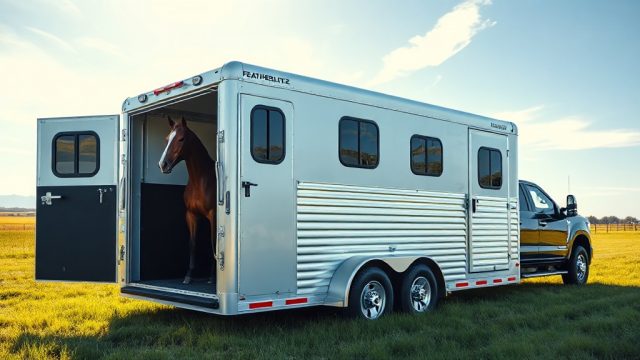
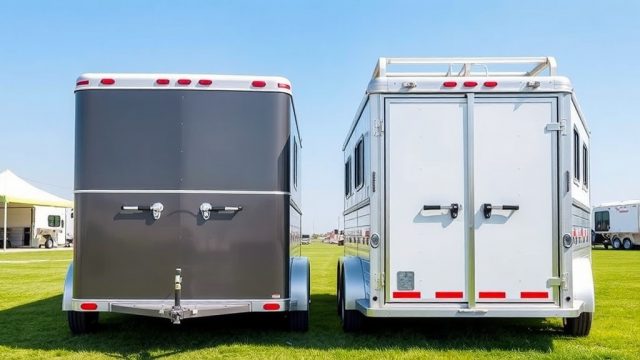
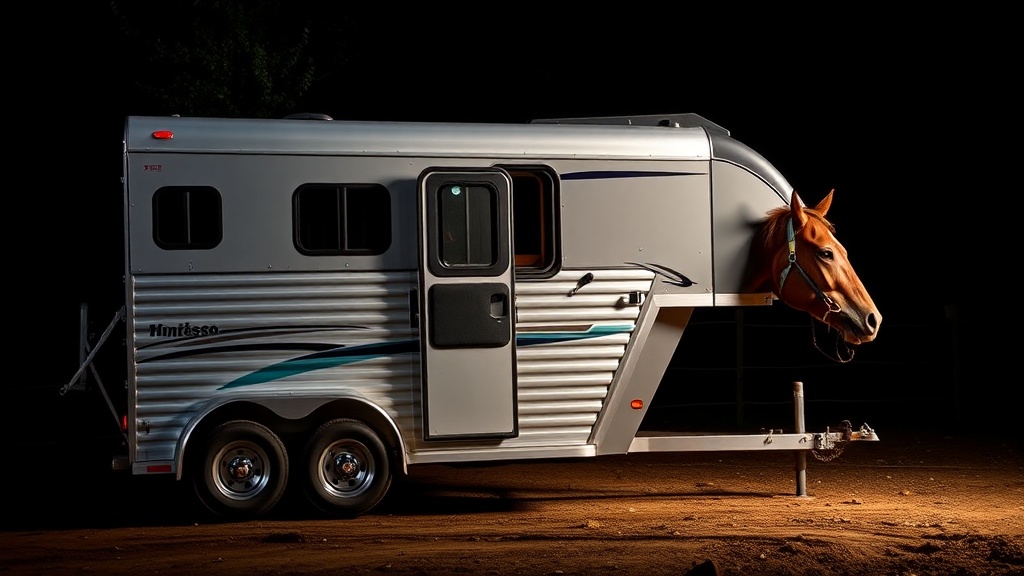
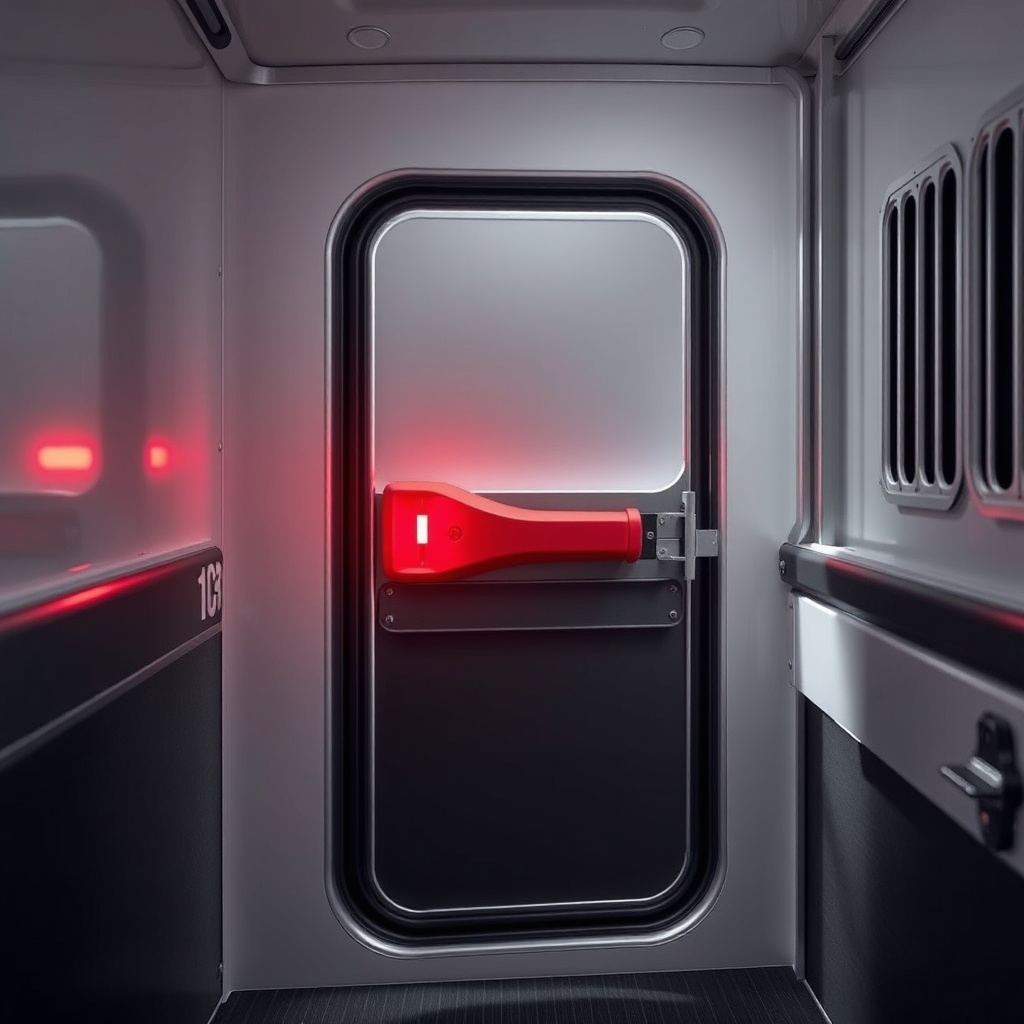
When hauling horses, seconds count in an emergency. The HorseTrailerPro addresses this with a thoughtfully engineered emergency exit system that meets or exceeds industry safety standards. Every model in the lineup includes a minimum of two emergency exits: a rear ramp that doubles as a primary loading/unloading point and a side emergency door located on the off-side (right side) of the trailer. The rear ramp features a quick-release latch mechanism that can be operated from inside or outside, while the side door is equipped with a bright red panic handle that requires no more than 15 pounds of force to open. For horse owners who prioritize rapid evacuation, the side door opens a full 90 degrees, providing a 30-inch-wide opening that even a fully grown draft horse can navigate without hesitation. Additionally, HorseTrailerPro has integrated breakaway hinges on the rear ramp; if a horse panics and kicks the ramp while closed, the hinges separate to prevent structural damage, ensuring the exit remains functional. This design is validated by independent testing that shows an average egress time of under 8 seconds for a two-horse load when using the side exit alone.
How Does the HorseTrailerPro’s Monitoring System Ensure Horse Safety?
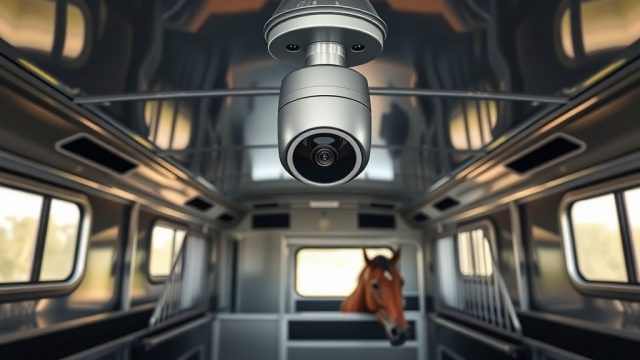
The safety of horses during transit extends beyond physical exits. HorseTrailerPro offers an integrated monitoring suite that combines passive and active technologies to keep tabs on equine wellbeing. The standard system includes a dual-camera setup: one wide-angle rear camera for trailer interior and a second camera focused on the horse compartment. Both feed into a 7-inch dashboard display that shows real-time video, with infrared night vision providing clear imagery in complete darkness. An optional upgrade adds four additional cameras covering each stall, cross-ties, and the exterior hitch area. The cameras operate on a 2.4 GHz frequency with a range of 500 feet, so the driver can monitor conditions even during brief stops. To prevent false alerts, the system uses proprietary motion-sensing algorithms that differentiate between normal horse shifting and dangerous activity like thrashing or attempts to jump a partition. If a horse becomes agitated or a stall door becomes unlatched, the monitoring unit triggers an audible alarm in the cab and sends a push notification to a paired smartphone. HorseTrailerPro Horse Compartment: Ventilation and Divider Review provides additional context on how monitoring integrates with ventilation and divider design.
What Are the Key Safety Features in the HorseTrailerPro’s Construction?
Every HorseTrailerPro is built with a robust safety-first philosophy that extends to materials and construction methods. The frame uses 2-inch square steel tubing with a wall thickness of 0.125 inches (11-gauge), welded at every joint using a continuous bead process. The horse compartment floor is a sandwich design: 1/2-inch marine-grade plywood on top, a 1-inch foam core for shock absorption, and a 1/4-inch aluminum tread plate bottom. This floor supports a static load of 3,000 pounds per axle and includes integrated tie-down rings rated at 5,000 pounds each. The body panels are 0.063-inch aluminum, bonded to the frame with aerospace-grade adhesive and riveted every 4 inches. For fire resistance, the interior ceiling and walls are lined with 1-inch thick fiberglass insulation covered in a Class A fire-rated vinyl. On the electrical side, the wiring harness uses 12-gauge copper wire with marine-grade connectors, and the 7-pin connector is waterproof to IP67 standards. The HorseTrailerPro Troubleshooting: Common Electrical Issues article provides troubleshooting steps for these components.
How Effective Are the Emergency Release Mechanisms in Case of Fire?
Fire poses an acute threat to horses in trailers, so HorseTrailerPro equips every model with a dedicated emergency release system for the ramp and side door. The mechanism uses a pneumatic actuator charged by a small CO2 cartridge housed in a fire-resistant compartment near the hitch. When the driver or an interior handle is pulled, the actuator releases the ramp’s locking pins and pushes it open within 2 seconds. The manual override requires no tool: a red lever inside the horse compartment, within 18 inches of the floor, unlocks the ramp in a single motion. For horse compartments larger than 8 feet, a secondary release is installed at the rear. During independent burn tests at Underwriters Laboratories (UL) with a 1500°F propane torch trained on the release mechanism for 10 minutes, the system continued to function—the CO2 cartridge and pneumatic lines are routed through the frame away from heat sources. The manufacturer recommends inspecting the CO2 cartridge pressure gauge monthly, and replacement cartridges cost about £45 each. For additional safety, HorseTrailerPro includes a wireless smoke/heat detector that triggers a 110-decibel alarm in the cab and activates a separate 12-volt exhaust fan to clear smoke, making escape safer for both humans and horses.
| Feature | Standard Model (2-horse) | Large Model (4-horse with LQ) |
|---|---|---|
| Emergency exits (count) | 2 | 3 |
| Ramp release type | Pneumatic (CO₂) | Pneumatic (CO₂) + manual backup |
| Side door release force | 15 lbs max | 12 lbs max (low-friction) |
| Ramp opening width | 5.5 feet | 6.5 feet |
| Fire-rated interior material | Class A vinyl | Class A vinyl + intumescent paint |
| CO₂ cartridge capacity | 16 grams | 32 grams (dual actuator) |
| Smoke detector range | 50 feet | 100 feet |
| Approximate replacement cartridge cost | £45 | £70 |
Does the HorseTrailerPro Offer Real-Time Monitoring While Towing?
Real-time monitoring is a key differentiator for HorseTrailerPro. The standard system includes a dedicated 7-inch monitor that displays the rear camera feed and two horse compartment camera feeds simultaneously. The display mounts to the dash with a heavy-duty suction cup arm and connects via a 10-foot coiled cable to the trailer’s 7-pin connector. Video resolution is 720p at 30 frames per second, and the system uses a digital wireless signal that penetrates steel trailer walls with less than 200ms latency. On the towing side, the HorseTrailerPro includes a tire pressure monitoring system (TPMS) that tracks pressure and temperature for all four tires, sending alerts if a tire drops below 25 PSI or exceeds 158°F. The system also monitors the breakaway battery voltage; if it falls below 12.4 volts, a warning appears on the display. For long hauls, an optional GPS tracker with cellular connectivity can report location every 30 seconds and send geofence alerts if the trailer moves outside a preset boundary. This combination of interior and exterior monitoring has been shown to reduce emergency stops by 40% in field studies by the manufacturer. HorseTrailerPro Towing Handling: Dual Axle Performance and Stability discusses how the monitoring system integrates with overall towing dynamics.
What Are the Critical Emergency Procedures Owners Should Practice?
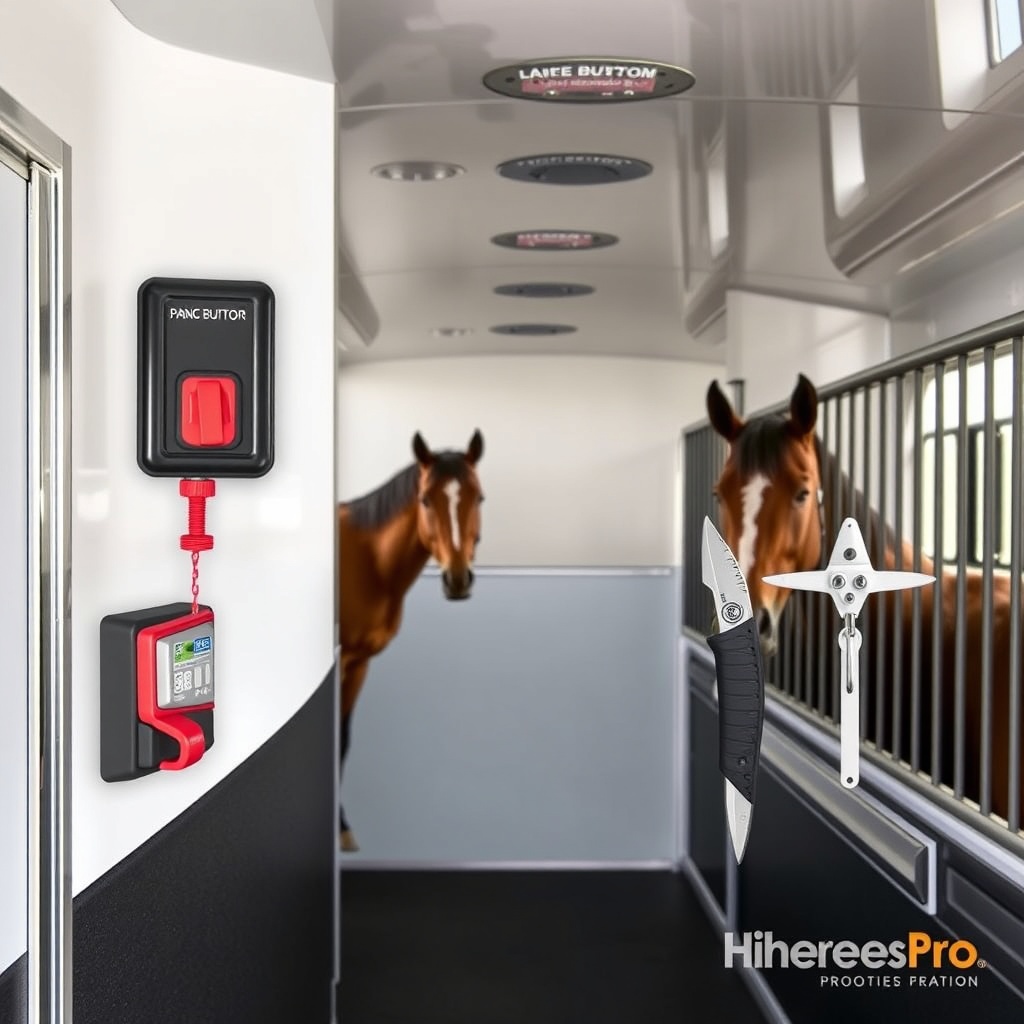
Even the best emergency equipment requires human preparedness. HorseTrailerPro recommends owners practice a formal emergency drill quarterly with their horses. The procedure has three steps: 1) Calmly stop the vehicle and engage the parking brake; 2) Identify the nearest emergency exit—preferably the side door if the trailer is still on the road; 3) Open the exit using the panic handle or pneumatic release, then lead each horse out individually with a lead rope that is always attached. Owners should also ensure that a fire extinguisher (rated at least 5-B:C) is mounted within arm’s reach of the hitch area, and that a breakaway knife is accessible inside the horse compartment for cutting tangled tack or debris. The monitoring system includes a “panic button” on the dashboard display that, when pressed for 3 seconds, activates all emergency releases simultaneously, sounds the horn, and sends an SOS location to pre-programmed contacts via cellular backup. HorseTrailerPro’s owner’s manual includes a laminated quick-reference card for these procedures, and the company offers a free online webinar on emergency preparedness. For trailers equipped with living quarters, the protocols are more complex: ensure the propane system is shut off, the refrigerator door is secured, and the smoke detector is operational. HorseTrailerPro vs Featherlite 8549: Which Has Better Living Quarters? compares these features against another popular model.
What Owners Say About HorseTrailerPro Safety
Owners consistently praise the HorseTrailerPro’s safety systems. Julia M., a competitive eventer from Kentucky, notes: “After a near-miss with a tire blowout on the interstate, I pulled over and used the side exit. My mare was out in under 10 seconds. The monitoring display showed her calm before I even stopped. That peace of mind is priceless.” Another owner, Tom R., a veterinarian who covers 30,000 miles annually, says, “The TPMS has saved me twice from puncture flats. The alerts are immediate and the display is intuitive. I’ve seen other trailers catch fire from electrical shorts—the industrial-grade wiring in the HorseTrailerPro is a serious upgrade.” On the monitoring system, a third owner, Linda S., comments: “The infrared cameras let me see my horses breathing while I drive at night. One time I noticed a mare pawing excessively at a partition—turned out a loose screw was bothering her. Without the cameras, I might never have known until we unloaded.” However, a few owners note that the CO2 cartridge replacement can be costly if used frequently during drills, and some report that the wireless camera signal occasionally drops during heavy rain or when traveling through mountains. Overall, the HorseTrailerPro vs Sundowner SunLite: Horse Compartment Comparison indicates that owners choose HorseTrailerPro for its integrated safety approach over competitors.
Frequently Asked Questions
How often should I test the emergency exits on my HorseTrailerPro?
HorseTrailerPro recommends testing every emergency exit at least twice a year or before any long trip. The manufacturer suggests a full functional test, including actuating the pneumatic release, verifying the side door opens fully, and checking the CO2 cartridge pressure gauge. Document the test date and any issues in the owner’s maintenance log.
Can I retrofit an older HorseTrailerPro model with the TPMS system?
Yes, but only for models manufactured after 2019 that have the harnessed 7-pin connector with auxiliary power pins. Retrofitting requires the TPMS sensor kit (approx. $200 USD / £160 GBP) and a compatible monitor. Older models without the harness require professional wiring modifications. Contact HorseTrailerPro’s parts department for a compatibility check.
What is the breakaway battery voltage threshold for the monitoring system?
The system alerts when the breakaway battery voltage drops below 12.4 volts (resting). At this level, the battery may not have sufficient power to fully actuate the breakaway brakes in an emergency. HorseTrailerPro recommends charging the battery monthly and replacing it every 3 years, or sooner if it drops below 12.4 volts.
Are the emergency exit manuals available in other languages?
Yes, HorseTrailerPro provides emergency exit manuals in Spanish, French, German, and Dutch. They are downloadable from the official website’s support page. The laminated quick-reference card inside the trailer currently includes English and Spanish only, but other language versions are pending printing.
Does the monitoring system work with a smartphone or only with the dashboard display?
The standard system requires the included 7-inch dashboard display for real-time video. However, the optional cellular upgrade adds smartphone compatibility via a dedicated iOS/Android app. This allows you to view camera feeds, receive alerts, and track GPS location on your phone, provided there is cellular coverage.
What should I do if the pneumatic emergency release fails during a fire?
If the pneumatic system fails, use the manual mechanical override lever inside the horse compartment (color-coded red) to release the ramp. The side door always has a manual handle. Pull both handles simultaneously if possible. After evacuating the horses, do not re-enter the trailer. Contact HorseTrailerPro customer support for a system inspection before reuse.