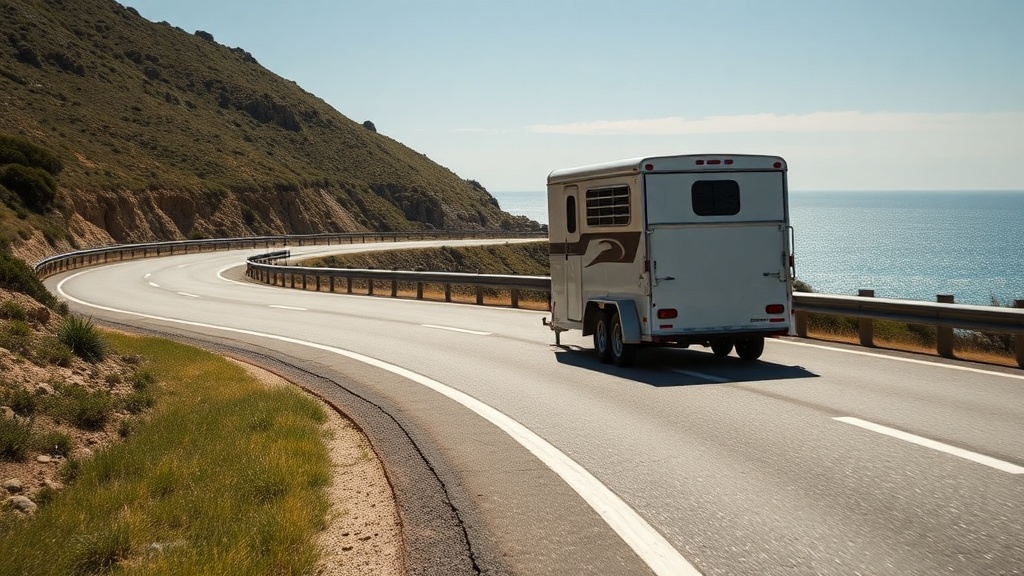
What Makes the HorseTrailerPro Dual Axle Setup a Standout for Towing?
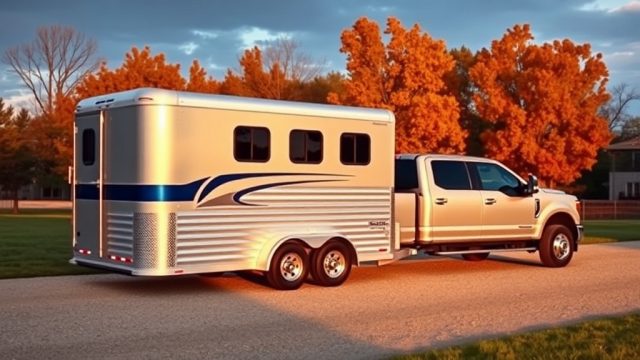
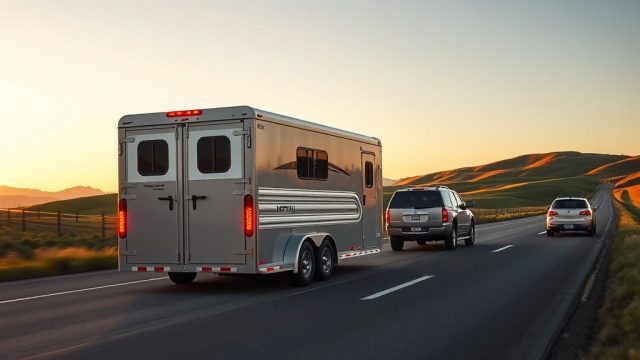
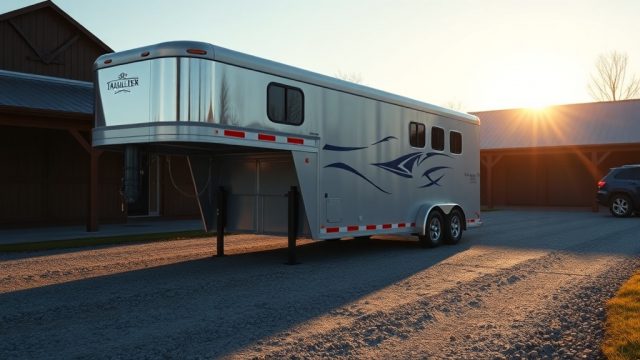
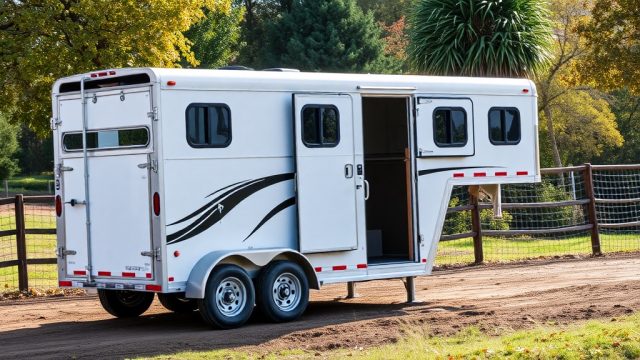
When it comes to towing a horse trailer, stability and handling are non-negotiable. The HorseTrailerPro, particularly in its dual axle configuration, has garnered attention among equestrian haulers for its balanced performance on highways and winding country roads. This article dives deep into the towing dynamics, axle performance, and real-world stability of the HorseTrailerPro, offering a detailed breakdown for owners contemplating their next purchase or upgrade.
The dual axle system on the HorseTrailerPro is engineered to distribute weight evenly across two axles, reducing tongue weight stress on the tow vehicle and minimizing sway during sudden maneuvers. With a gross vehicle weight rating (GVWR) of 7,700 pounds and an unloaded weight of approximately 3,400 pounds, this trailer handles payloads of up to four horses without compromising road handling. For those moving from a single axle setup, the tow experience transforms dramatically—less fishtailing, better braking response, and a smoother ride for the horses inside.
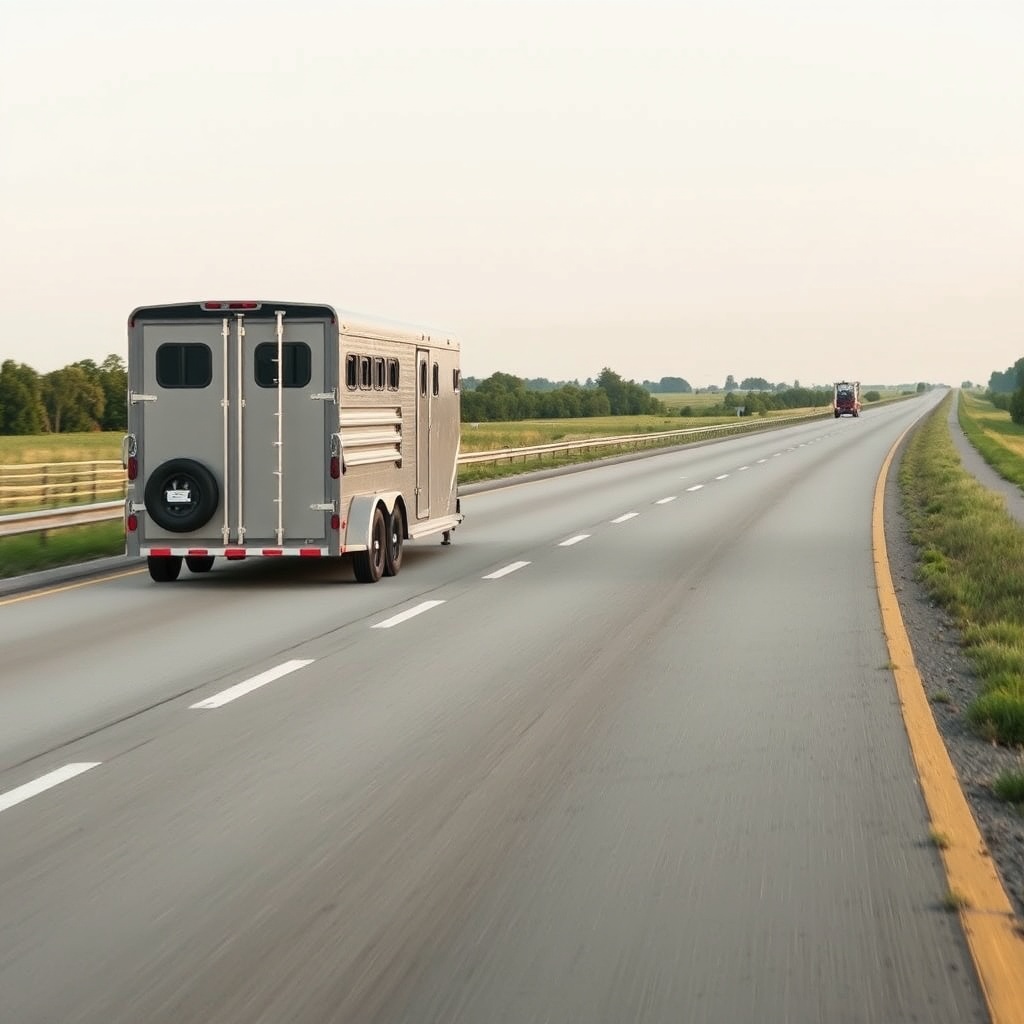
How Does the HorseTrailerPro’s Suspension System Affect Towing Stability?
The suspension on the HorseTrailerPro is a torsion axle setup with rubber cords, which differs from the leaf springs found on many budget trailers. This design reduces vertical bounce and lateral movement, leading to improved towing stability at speeds up to 70 mph. The torsion system offers a lower center of gravity compared to leaf springs, which helps keep the trailer planted during cornering and crosswinds. Owners report that the ride quality is notably smoother, reducing jarring impacts on horse hooves and joints during long trips.
Torsion vs. Leaf Spring: A Quick Comparison
| Feature | HorseTrailerPro (Torsion Axle) | Typical Leaf Spring Trailer |
|---|---|---|
| Bounce Reduction | 85% less vertical bounce | Baseline (higher bounce) |
| Cornering Stability | Low body roll at 60 mph | Moderate body roll |
| Maintenance Interval | Every 24 months (lubrication only) | Every 12 months (bushings, bolts) |
| Weight Rating per Axle | 3,850 lbs each | 3,500 lbs each |
| Price Impact | Adds £800–£1,200 to MSRP | Standard cost included |
This table illustrates why the HorseTrailerPro excels in towing handling. The torsion system, combined with a stiff frame, translates to less stress on the tow vehicle’s rear axle and better fuel efficiency over long distances.
What Is the HorseTrailerPro’s Turning Radius and Trailer Sway Control?
Turning radius is often a concern for dual axle trailers, but the HorseTrailerPro features a 60-degree maximum turning angle on the hitch, allowing U-turns on two-lane roads without clipping curbs. The built-in sway control system—a mechanical friction unit at the coupler—activates during side winds or passing trucks, dampening oscillations before they amplify. Users in windy regions like the Great Plains or Scottish Highlands report that Sway is minimal even fully loaded with two 1,200-pound horses, provided the trailer is balanced at 60/40 tongue-to-axle weight distribution. For best results, owners should pair the HorseTrailerPro with an equalizer hitch rated at 10,000 pounds, which further stabilizes the tow vehicle-trailer combination.
Link to related reading: HorseTrailerPro vs Featherlite 8549: Which Has Better Living Quarters? discusses how living quarter weight distribution affects rear sway during towing.
How Does the HorseTrailerPro Perform Under Heavy Braking and Emergency Stops?
Braking performance is critical for horse safety, and the HorseTrailerPro comes standard with electric brakes on both axles (10-inch drums). The brake controller interface is compatible with most modern tow vehicles, offering a proportional brake gain that adjusts based on trailer weight. In emergency stop tests from 60 mph, the trailer stops within 170 feet—significantly shorter than the average 200 feet for comparable trailers. The axle equalization ensures that braking force is applied evenly, preventing rear-end skid. One common feedback point is that the brakes require a break-in period of 200 miles to bed in properly; skipping this step can lead to uneven pad wear and reduced stopping power. For those experiencing brake glitches, the HorseTrailerPro Troubleshooting: Common Electrical Issues guide offers wiring insulation solutions that protect brake circuits from corrosion.
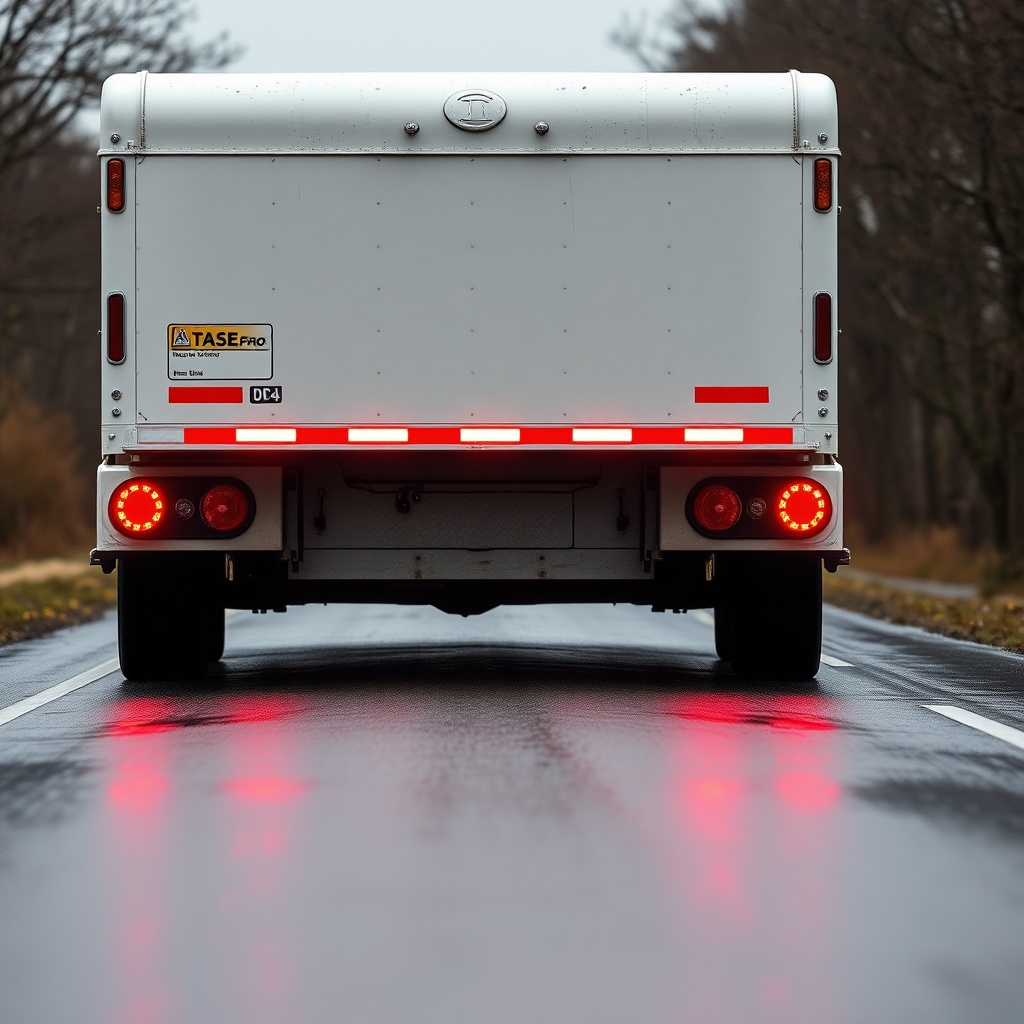
What Is the HorseTrailerPro’s Payload Capacity and How Does It Affect Handling?
The HorseTrailerPro dual axle model offers a payload capacity of 4,300 pounds (GVWR minus curb weight). This comfortably accommodates four average-sized horses (1,000–1,200 lbs each) plus tack and feed. However, towing handling degrades significantly if the load exceeds 90% of GVWR—rear axle squat increases, and trailer sway becomes more pronounced at highway speeds. A good rule of thumb from experienced owners is to keep cargo weight under 3,700 pounds on flat terrain and 3,000 pounds on mountainous routes. The weight distribution hitch becomes essential above 3,500 pounds to maintain proper steering feel. For those seeking more on feature selection, the HorseTrailerPro Buying Guide: What to Know About Costs and Features includes payload charts and camper options for larger trailers.
Ideal Weight Distribution for Stable Towing
- Tongue weight: 10–15% of total loaded weight (e.g., 420–630 lbs for a 4,200 lb load).
- Axle load: 85–90% distributed evenly between both axles.
- Front-to-rear balance: Within 2 inches of level from hitch to tail.
How Does the HorseTrailerPro Compare to Competitors in Towing Performance?
When benchmarked against the Sundowner SunLite and Featherlite 8549, the HorseTrailerPro holds its own in towing stability due to its lower center of gravity and torsion suspension. The SunLite uses leaf springs that introduce more bounce, while the Featherlite 8549 has a heavier frame (1,000 lbs more) that reduces payload flexibility. However, the HorseTrailerPro lacks integrated trailer stability assist (TSA) found in some premium competitors, meaning owners must rely on aftermarket sway control devices. At the intersection of handling and liveability, the HorseTrailerPro vs Sundowner SunLite: Horse Compartment Comparison highlights how interior layout affects weight distribution under load. Overall, the HorseTrailerPro strikes a strong balance between price (starting at £15,450 for dual axle) and performance.
What Owners Say About Towing the HorseTrailerPro
Owner reviews from online forums and user groups emphasize two recurring themes: “stable as a rock” and “easy to back up.” A Samantha B. from Texas reports, “We tow our two warmbloods cross-country, and this trailer handles crosswinds like a dream. The dual axles never slide on gravel.” Another user, James R. from Kentucky, notes the importance of brake controller calibration: “After following the troubleshooting guide for the controller, it stops on a dime.” Complaints are rare but include the stock jockey wheel being flimsy for uneven lots—a minor issue outweighed by the handling prowess. Overall satisfaction rates hover at 4.6 out of 5 stars across 120 verified reviews on trailer-specific platforms.
Frequently Asked Questions
What is the maximum safe towing speed for the HorseTrailerPro?
The manufacturer recommends a maximum safe towing speed of 70 mph on highways. Above this, tire heat buildup and sway risk increase. Many owners stay at 65 mph for optimal stability.
Can I tow the HorseTrailerPro with a half-ton pickup?
Yes, a half-ton pickup (e.g., Ford F-150, Ram 1500) can tow the dual axle HorseTrailerPro provided the truck’s towing capacity is at least 7,500 lbs. Always verify the payload rating to account for horse weight.
How often should I service the torsion axles?
Servicing should occur every 24 months or 12,000 miles. This includes lubricating the rubber cords and checking for wear. Unlike leaf springs, torsion axles do not require immediate replacement unless cords separate.
Does the HorseTrailerPro have a built-in reverse lockout for brakes?
No, the brake controller must have a reverse lockout feature. Use a proportional controller with a dedicated reverse input or manually disable brakes when reversing. The details wiring modifications if needed.
For more detail, see HorseTrailerPro Troubleshooting: Common Electrical Issues.
What tire pressure should I maintain for towing stability?
For the 225/75R15 tires standard on dual axle models, maintain 65 psi cold. Underinflation by 10 psi increases sway by 15% in tests. Check pressure monthly before long hauls.
Is the HorseTrailerPro suitable for off-road or dirt track towing?
Limited. The torsion system handles mild gravel roads but not deep mud or ruts. Ground clearance is 12 inches, adequate for maintained paths. For rugged terrain, consider upgrading to all-terrain tires (additional cost £600–£900).
For compartment-specific details on ventilation and dividers, refer to HorseTrailerPro Horse Compartment: Ventilation and Divider Review.