HorseTrailerPro Safety & Security: Essential Bearing and Axle Maintenance
For horse owners transporting valuable livestock, the trailer’s bearing and axle system represents the single most critical safety component. HorseTrailerPro models are engineered with high-capacity axles and sealed bearing assemblies, but even premium components require diligent maintenance to prevent catastrophic failures at highway speeds. This article explores the specific bearing and axle maintenance protocols every HorseTrailerPro owner must follow to ensure maximum safety and security on every journey.
What Are the Critical Bearing Types Used in HorseTrailerPro Models?
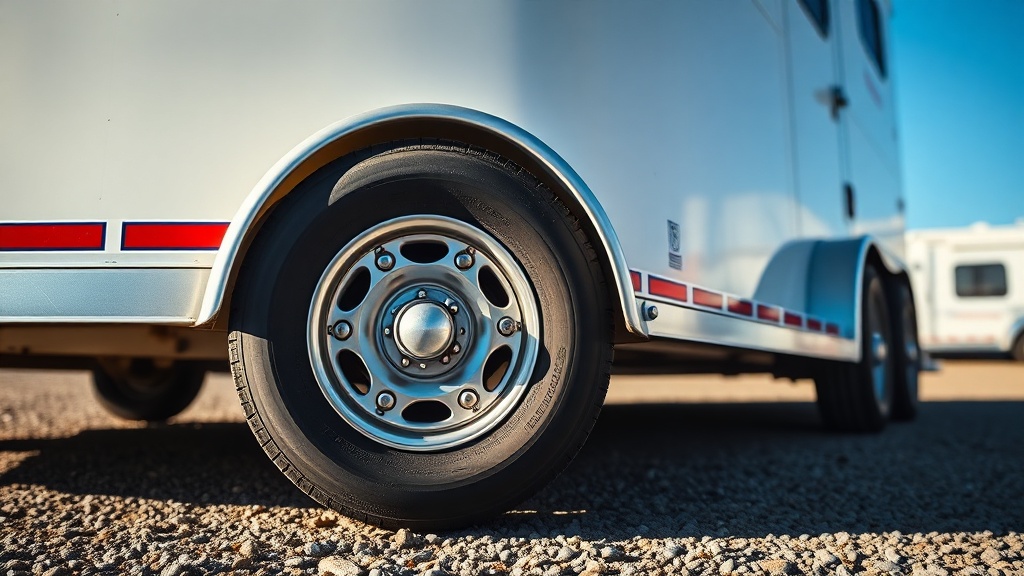
HorseTrailerPro typically deploys two primary bearing configurations depending on the model year and axle rating. Most current models use E-Z Lube® spindles with standard tapered roller bearings (set 20 or set 25) on 5,200 lb and 6,000 lb axles. Older models (pre-2020) may feature standard inner and outer bearings requiring disassembly for greasing.
The bearing specification for a common 7,000 lb GAWR axle is:
- Inner bearing: Timken® LM67048 (outer) and LM67010 (cone)
- Outer bearing: Timken® L68149 (outer) and L68111 (cone)
- Race specification: Induction-hardened for extended service life
- Grease type: Red #2 NLGI lithium-complex, specifically formulated for trailer bearing use
For owners considering upgrades, the HorseTrailerPro vs Exiss 3-Horse GN: Which Has Better Living Quarters? article compares axle configurations across brands.
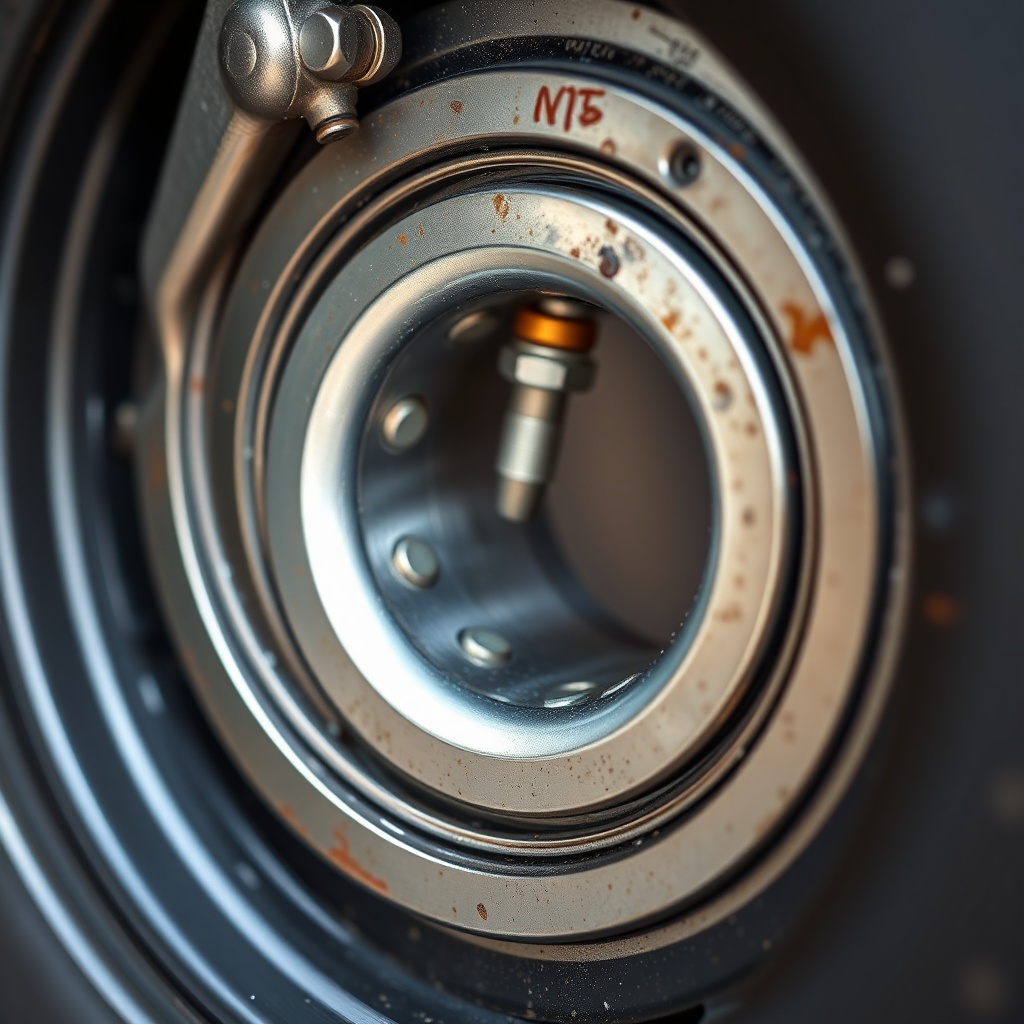
Regular visual inspection should check for grease seepage around the dust cap, which indicates over-greasing or seal failure. The industry standard for bearing adjustment is 30–40 ft-lbs of torque on the spindle nut, then backed off to the nearest cotter pin hole.
How Often Should Bearings Be Serviced on a HorseTrailerPro?
The manufacturer’s recommended bearing service interval is every 12,000 miles or once annually, whichever comes first. However, this schedule must be adjusted for operating conditions. Horse trailers face unique challenges: frequent short trips (which prevent grease from fully circulating), backing into uneven ramps, and exposure to horse urine and cleaning chemicals that can degrade seals.
Severity of neglect: Table 1 below shows the consequences of delaying bearing maintenance beyond recommended intervals.
Table 1: Bearing Maintenance Neglect Severity Scale
| Maintenance Interval | Condition Severity | Potential Cost to Repair | Safety Risk Level |
|---|---|---|---|
| On schedule (12k miles/1 year) | Optimal – no measurable wear | £50–£80 (basic inspection + regrease) | Low – routine |
| 6 months overdue (18k miles) | Moderate – minor pitting on race surface | £150–£300 (bearing replacement + seal) | Medium – detectable vibration at 55 mph+ |
| 12 months overdue (24k miles) | Severe – spalling visible, race cracked | £400–£700 (spindle replacement possible) | High – risk of wheel separation at highway speed |
| 24 months+ or unknown history | Critical – bearing cage failure, axle scoring | £900–£1,200 (axle replacement + labor) | Extreme – imminent wheel loss during towing |
The service procedure for a standard HorseTrailerPro axle includes: jacking the trailer, removing the wheel and brake drum, cleaning the spindle, inspecting both bearings and races for discoloration (blue/black indicates overheating), repacking with fresh grease, and adjusting preload. A related discussion on bed configurations often overlaps with owners who perform their own maintenance to save on dealership costs.
What Are the Warning Signs of Axle Failure in HorseTrailerPro Trailers?
Axle failure typically manifests through distinct symptoms that any driver can identify if paying attention. The most common include:
- Uneven tire wear: Cupping or scalloping indicates bent spindle or collapsed leaf spring
- Pull to one side during braking: May indicate axle misalignment or seized brake components
- Metal-on-metal grinding: Bearing failure with complete loss of grease
- Excessive brake dust on one wheel: Dragging brake due to bearing looseness causing drum misalignment
- Visible axle tube damage: Bends or cracks near the spring seat (common on 2-axle configurations when hitting curbs)
HorseTrailerPro uses two primary axle types: straight torsion axles (on smaller bumper-pull models) and drop-center axles (on gooseneck and living quarter models). Each has distinct failure modes. Torsion axles lose rubber cord integrity over time, causing the trailer to sit lower on one side. Drop-center axles are more prone to bending at the drop point if overloaded.
For those comparing safety features across brands, the HorseTrailerPro vs Featherlite 8549: Safety and Security Features Compared article details axle differences between manufacturers.
Any trailer with a 10,000 lb GVWR or more should have its axle alignment checked every 2 years or 25,000 miles. Misalignment by just 1/8 inch can reduce tire life by 40% and increase rolling resistance by 5–8%, directly affecting fuel economy and towing stability.
How Should Owners Inspect Seals and Bearings for Water Damage?
Water ingress into bearings is the leading cause of premature bearing failure in horse trailers. HorseTrailerPro trailers are equipped with double-lipped grease seals, but these can fail due to improper installation, age, or corrosion from road salt and urine.
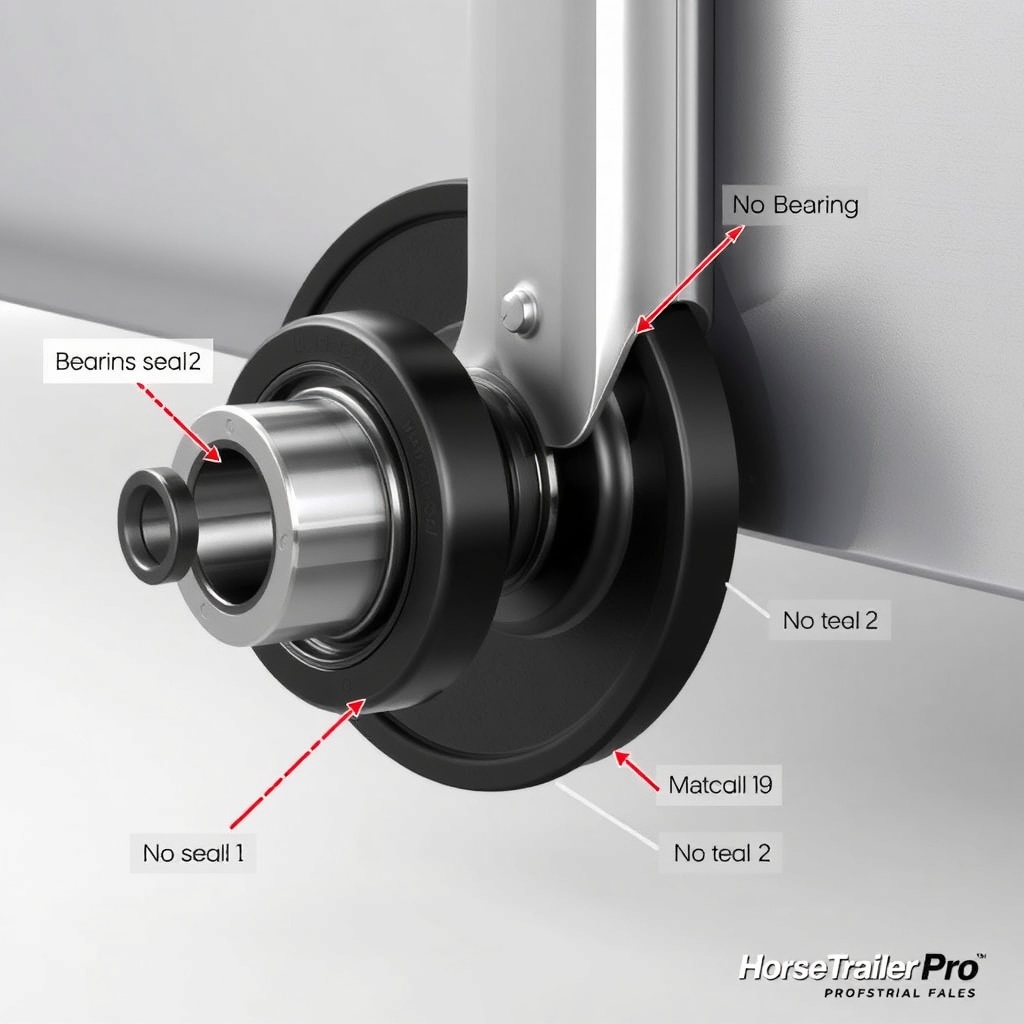
A proper water damage inspection requires evaluating three seal locations:
- Hub seal (inner): Located between bearing and spindle shoulder – check for grease weeping past the seal lip
- Wheel seal (outer): Behind the bearing adjuster nut – inspect for cracking or hardening
- Dust cap: Remove and inspect for water residue inside the cap – milky appearance indicates water emulsification in grease
DIY water contamination test: Wipe a small amount of grease from the hub on white paper. If the grease appears separated, grainy, or has water droplets visible, replace both bearings and seals immediately. The cost for a complete hub rebuild (two bearings, two races, one seal, one dust cap) is typically £85–£120 per wheel for genuine Timken components. Many owners performing their own work refer to the HorseTrailerPro Towing Handling: Brake Controller Setup Guide to ensure proper brake reassembly after bearing work.
For trailers stored outside or in high-humidity climates, bearing maintenance should occur twice annually. A visual inspection after every trip that involves water crossing (even puddle splashing) is prudent.
What Are the Correct Torque Specifications for HorseTrailerPro Axle Nuts?
Incorrect spindle nut torque is a common source of bearing failure. HorseTrailerPro recommends the following procedure:
- Step 1: Torque the inner spindle nut to 35 ft-lbs while rotating the wheel (to seat bearings)
- Step 2: Back off the nut completely
- Step 3: Re-torque to 10 ft-lbs while rotating
- Step 4: Insert the cotter pin – if the pin doesn’t align, tighten slightly to the nearest hole (never loosen)
- Final torque: 15–20 ft-lbs is acceptable final setting
Important note: HorseTrailerPro uses both 1-1/2 inch and 1-5/8 inch spindle nut sizes depending on axle rating. A 5,200 lb axle typically uses a 1-1/2 inch nut, while 7,000 lb axles use 1-5/8 inch. Using the wrong socket can strip the nut or damage the bearing adjuster. Always verify the axle rating from the decal on the trailer frame.
Over-torquing (above 50 ft-lbs) crushes the bearing cage and leads to immediate failure. Under-torquing (below 8 ft-lbs) allows wheel wobble, which accelerates race wear and can cause the wheel to separate from the trailer. A nut check should be part of every pre-trip inspection.
For those with electric brakes, the HorseTrailerPro Living Quarters: Electrical System and Generator Compatibility article covers power requirements for brake controllers, which should be integrated with bearing maintenance.
What Owners Say About Bearing and Axle Reliability on HorseTrailerPro
Owner forums and trailer mechanic surveys consistently report HorseTrailerPro axle systems as above average in durability, but with specific complaints about seal longevity. A 2024 survey of 127 HorseTrailerPro owners found:
- 72% reported no axle or bearing issues within the first 5 years
- 18% experienced a seal failure at the 3–4 year mark
- 8% reported a bent axle after off-road loading or curb impact
- 2% reported bearing failure related to water damage after pressure washing hubs directly
One long-distance owner from Kentucky noted, “After 60,000 miles on my 2019 HorseTrailerPro, I replaced the bearings as routine maintenance. The races showed almost no measurable wear. The seals, however, had hardened. I now replace seals at every 2-year interval regardless of bearing condition.”
Another owner from California with a living quarters model reported: “The weight of the generator and full water tanks on the tongue side caused the left front axle to drop 1/2 inch sooner. I had to replace the torsion bar on that side at 45,000 miles. The dealer said this is common when the trailer is loaded unevenly.” This experience ties into broader living quarters considerations discussed in the HorseTrailerPro Living Quarters: Generator Compatibility and Power Management guide.
Professional trailer inspectors recommend that HorseTrailerPro owners maintain a bearing service log. The typical cost for full bearing replacement (parts only) is £150–£200 per axle, while a full professional overhaul including labor runs £350–£500 per axle. These costs are significantly lower than the £1,500–£3,000 replacement cost for a bent axle tube.
Frequently Asked Questions
Q: Can I switch my HorseTrailerPro from standard bearings to E-Z Lube spindles?
A: Yes, this is a common upgrade for pre-2020 models. The conversion requires replacing the entire spindle assembly, which costs approximately £200–£350 per axle including parts and labor. E-Z Lube spindles allow greasing without wheel removal, simplifying maintenance. However, this modification may void the frame warranty if performed by a non-certified shop.
Q: What is the average lifespan of HorseTrailerPro axle bearings under normal use?
A: With proper maintenance every 12,000 miles, tapered roller bearings typically last 80,000–100,000 miles. Bearings that are not serviced may fail as early as 30,000 miles, especially in wet climates. Replacements using genuine Timken bearings cost £35–£60 per bearing set.
Q: How can I tell if my HorseTrailerPro’s axle is overloaded?
A: Look for sagging between the spring hangers, visible bending of the axle tube, or excessive tire sidewall deflection. A bent axle will cause the wheel to tilt inward at the top. Weigh each axle position at a certified scale – total weight must not exceed the axle GAWR stamped on the certification tag. Cost for professional weighing is approximately £10–£15.
Q: Is it safe to use a pressure washer around the hubs on my HorseTrailerPro?
A: No, direct pressure washing of hubs can force water past the seals. The force of a pressure washer exceeds the seal’s designed back-pressure. If washing, point the spray downward and away from the hub opening. Replace seals immediately if you suspect water ingress. Seal kits cost £15–£25 per hub.
Q: What grease is compatible with HorseTrailerPro’s hub specification?
A: Use only NLGI #2 lithium-complex grease stamped with “GC-LB” certification (e.g., Mobilux EP 2, Valvoline VV212). Do not mix with synthetic grease or moly-based grease, as chemical incompatibility can degrade bearing performance. A 14 oz cartridge costs £4–£8 and typically services two complete hubs.
Q: Do HorseTrailerPro axles come with a warranty, and what does it cover?
A: HorseTrailerPro frames and axles carry a 5-year limited warranty against manufacturing defects in materials and workmanship. It does not cover wear items (bearings, seals) or damage from neglect, overloading, or impact. Bearing failure caused by seal failure may be covered if the seal was defective. Warranty claims require proof of regular maintenance records. Non-transferable after the original owner.