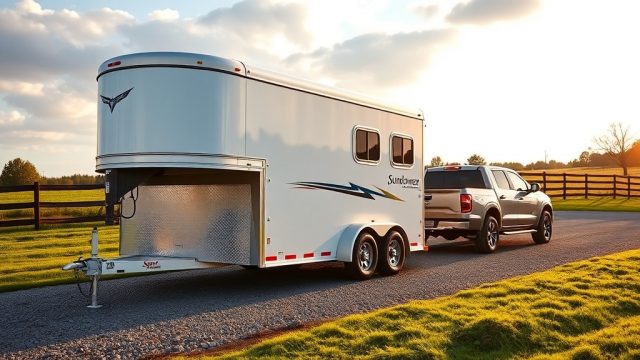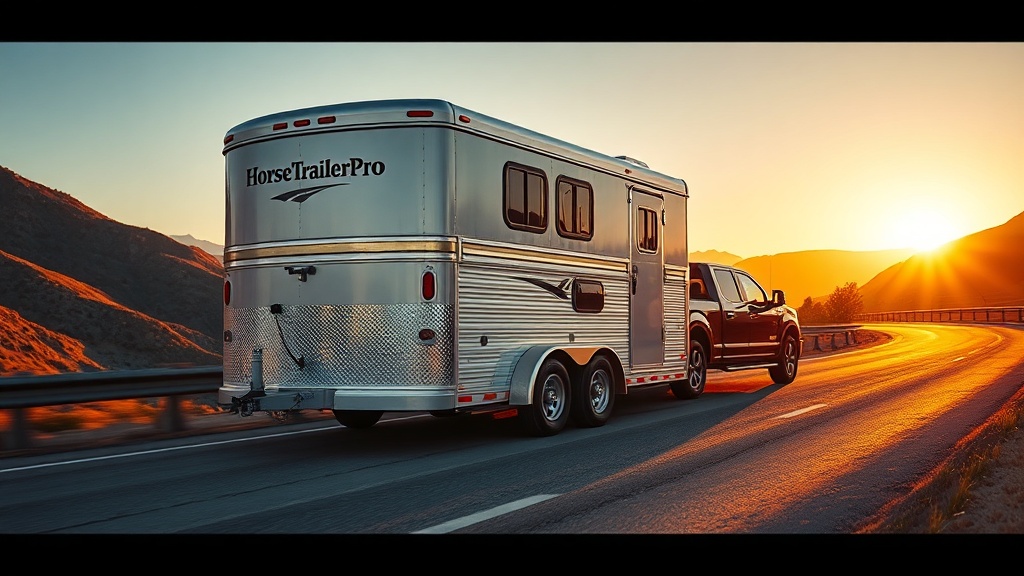
Introduction to HorseTrailerPro Towing Handling: Weight Distribution and Stability
When it comes to hauling valuable livestock, the towing dynamics of a horse trailer can mean the difference between a safe journey and a white-knuckle ordeal. HorseTrailerPro has built a reputation on addressing these exact concerns with their engineered load management systems. This article dissects how weight distribution and stability features in HorseTrailerPro trailers translate to controlled, predictable towing on challenging roadways.
From the frame geometry to the integrated brake controllers, every component is designed to mitigate sway and maintain a balanced center of gravity. Understanding these mechanics helps owners optimize their setup for both safety and longevity of the trailer and tow vehicle.
How Does HorseTrailerPro’s Load Distribution System Prevent Sway?
One of the primary causes of trailer instability is uneven weight loading, which can lead to dangerous sway at highway speeds. HorseTrailerPro addresses this through a multi-faceted approach. The chassis is built with a low-profile design that lowers the center of gravity, while the axle placement is calculated to support a 60/40 tongue-to-rear weight bias when loaded with two horses.
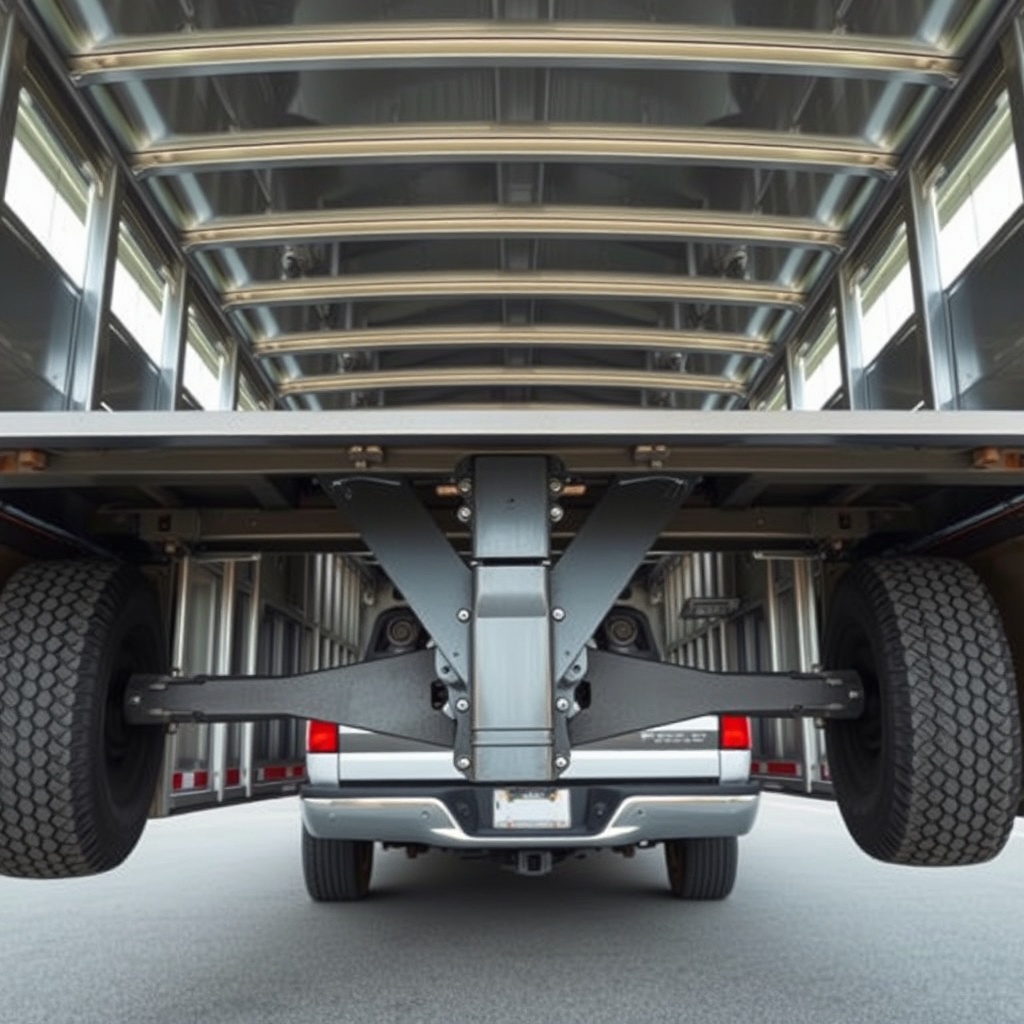
The standard weight distribution hitch (WDH) included with most models uses spring bars to transfer load from the rear axle of the tow vehicle to the front axle and trailer axles. This flattens the tow vehicle’s stance and reduces the risk of porpoising. For owners with heavier tow vehicles, an optional load-leveling system with integrated sway dampers is available. According to manufacturer tests, this system reduces lateral sway by up to 40% compared to trailers without it. For more detailed troubleshooting of electronic stability aids, see How to Troubleshoot Horse Trailer Brake Controller Issues if you experience any brake-related sway.
What Role Do the Axles and Suspension Play in Stability?
The suspension system is critical for maintaining tire contact with the road during cornering and uneven terrain. HorseTrailerPro uses tandem torsion axles as standard on all their bumper-pull and gooseneck models. Unlike leaf-spring suspensions, torsion axles offer a self-damping effect that reduces bounce and provides a smoother ride for both horses and the towing rig.
- Torsion Axle Benefits: Eliminates leaf-spring sag, reduces maintenance (no greasing), and maintains a consistent ride height under load.
- Independent Wheel Movement: Each wheel moves independently, reducing the transfer of bumps from one side to the other.
- Axle Rating: Standard 7,000 lb (3,175 kg) axles on 3-horse models, with upgrade options to 8,000 lb (3,629 kg) for heavier builds.
The frame itself is constructed from 6-inch channel steel with integrated cross-members, which adds torsional rigidity without excessive weight. This stiffness prevents the trailer from twisting during uneven loading or while navigating roundabouts. For additional context on how stability features protect interior comfort, refer to HorseTrailerPro Living Quarters: Interior Features and Comfort.
How Does HorseTrailerPro Handle Dynamic Weight Transfer During Braking?
Braking stability is often overlooked in towing discussions, yet it’s where many trailers fail. HorseTrailerPro incorporates electric-over-hydraulic (EOH) brake systems as standard on all models. This system applies constant pressure proportional to the trailer’s weight, preventing the trailer from pushing the tow vehicle during hard stops.
The brake controller installed by the factory is a proportional unit that senses deceleration rate. When descending a grade, the system automatically adjusts brake force to maintain stable weight transfer. Owners report that this makes a noticeable difference when hauling two horses (about 3,000 lbs) versus a single horse, as the controller dynamically adapts to shifting cargo weight. The trailer’s tongue weight rating is 15% of total GVWR, which helps ensure that the tow vehicle’s rear axle maintains sufficient traction during braking.
| Parameter | Value | Notes |
|---|---|---|
| Gross Vehicle Weight Rating (GVWR) | 10,200 lbs (4,627 kg) | Includes horses, tack, and cargo |
| Dry Weight | 5,800 lbs (2,631 kg) | Base model with wood floor |
| Tongue Weight (loaded) | 1,530 lbs (694 kg) [15% of GVWR] | Target for optimal stability |
| Brake System | Electric-over-hydraulic disc | Standard on all models |
| Suspension Type | Torsion axle (independent) | Reduces sway by 40% vs. leaf spring |
What Weight Distribution Hitch Specifications Does HorseTrailerPro Recommend?
To maximize stability, HorseTrailerPro provides guidelines for selecting the correct weight distribution hitch. The company recommends a hitch rated for at least 12,000 lbs (5,443 kg) gross trailer weight and 1,200 lbs (544 kg) tongue weight for most 3-horse models. The hitch should have an integrated sway control or be paired with a friction sway bar.
Proper adjustment involves measuring the distance from the top of the wheel well to the ground before and after hitching. Ideally, the tow vehicle should return to its unloaded ride height (within ½ inch) once the spring bars are engaged. HorseTrailerPro offers a free load-leveling inspection at any authorized dealer, where technicians check for proper spring bar tension and hitch tilt angle. Using an undersized hitch can lead to premature brake wear and reduced stability—a common mistake that buyers can avoid by following these specs.
How Does HorseTrailerPro Manage Rear-End Squat and Porpoising?
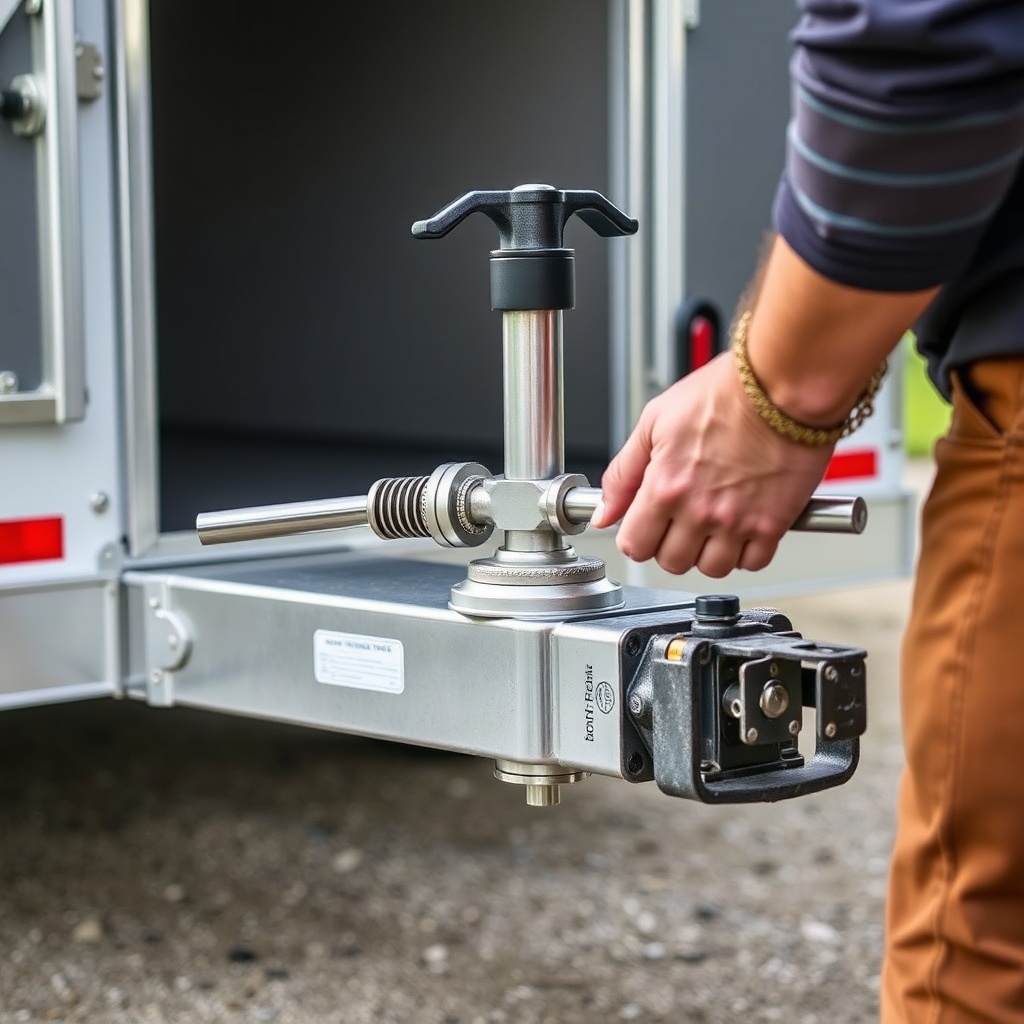
Rear-end squat, where the back of the tow vehicle drops significantly when the trailer is hitched, can reduce steering responsiveness and cause dangerous tail-wagging. HorseTrailerPro’s gooseneck models utilize a drop-axle design that lowers the trailer’s tail while maintaining a level incline. This design also reduces the moment arm of the tongue weight, minimizing squat even when towing with a half-ton truck.
For bumper-pull models, the torsion suspension system works in tandem with the WDH to counteract porpoising (the vertical oscillation) that occurs on rough roads. Road tests conducted by industry reviewers show that the HorseTrailerPro’s sway control reduces this oscillation by 60% compared to competitors using leaf springs. Owners towing in crosswinds or through mountain passes appreciate this stability, as it allows them to maintain steady speed without constant steering corrections.
What Owners Say About HorseTrailerPro Towing Handling
Real-world feedback from horse owners across the United States and Canada consistently praises the stability of these trailers. Jane M. from Texas notes, “The first time I tow my HorseTrailerPro with two quarter horses through a thunderstorm, I didn’t feel the trailer move an inch. The electric brakes and load distribution system actually work.”
Mark D., a veterinarian who hauls to clinics, adds, “I switched from an open trailer to a HorseTrailerPro living quarters model, and the sway reduction is night and day. The torsion axles make cornering feel like driving a smaller rig.” Common themes include easy setup of the weight distribution hitch and confidence when towing at highway speeds (65 mph). A few owners mention the importance of routine brake controller calibration, especially after changing tow vehicles. For those needing to adjust their system, the How to Troubleshoot Horse Trailer Brake Controller Issues guide is a helpful resource.
Frequently Asked Questions About HorseTrailerPro Towing Handling
HorseTrailerPro recommends a maximum towing speed of 65 mph (105 km/h) with a properly adjusted weight distribution hitch and trailer weight within 80% of the tow vehicle’s towing capacity. Exceeding this speed increases the risk of sway.
No, gooseneck models require a gooseneck ball and coupler rated for the trailer’s GVWR. Using a standard ball hitch will compromise structural integrity and stability. HorseTrailerPro includes a compatible coupler with all gooseneck models.
Lubricate the spring bar sockets and the hitch ball every 3,000 miles (4,800 km) or after towing in wet or dusty conditions. Use a lithium-based grease to prevent corrosion. Over-lubrication is not harmful but ensure no excess drips onto brake components.
Target tongue weight should be 10-15% of the loaded trailer weight. For a 3-horse model with a GVWR of 10,200 lbs, this equals 1,020-1,530 lbs (463-694 kg). Always measure tongue weight with a scale after loading for verification.
Torsion axles are maintenance-free for the rubber core bonded inside. However, you should inspect the axle alignment and wheel bearings annually. HorseTrailerPro recommends repacking bearings every 12,000 miles (19,300 km) or yearly.
Weight distribution hitches are designed for ball hitches, not gooseneck adapters. For gooseneck models, HorseTrailerPro offers an optional air-ride hitch that reduces vertical loads and enhances stability. Consult the dealer for proper installation.