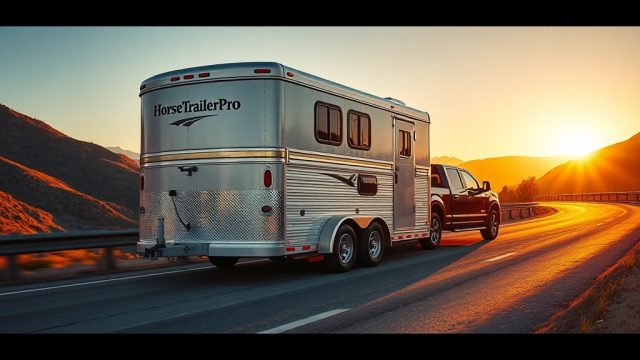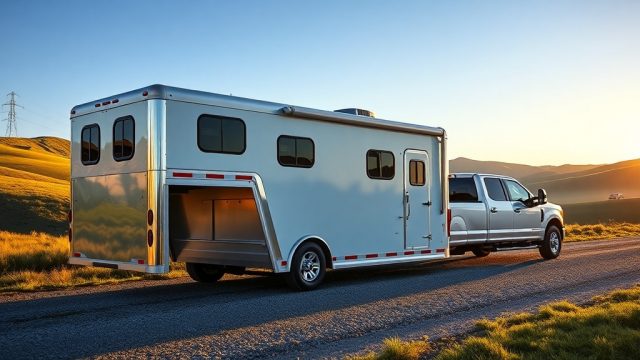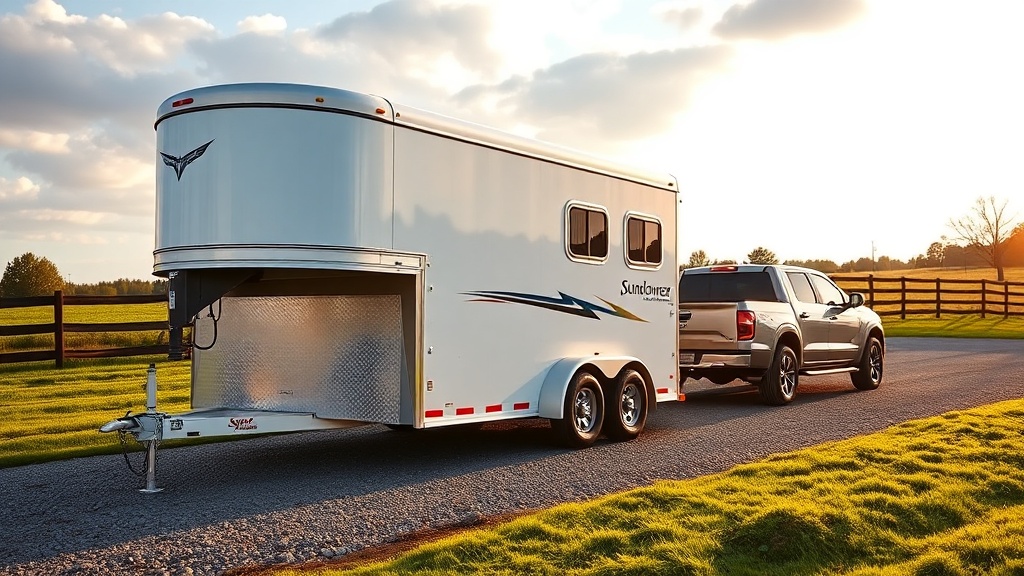
How Does the Sundowner SunLite’s Suspension System Affect Towing Stability?
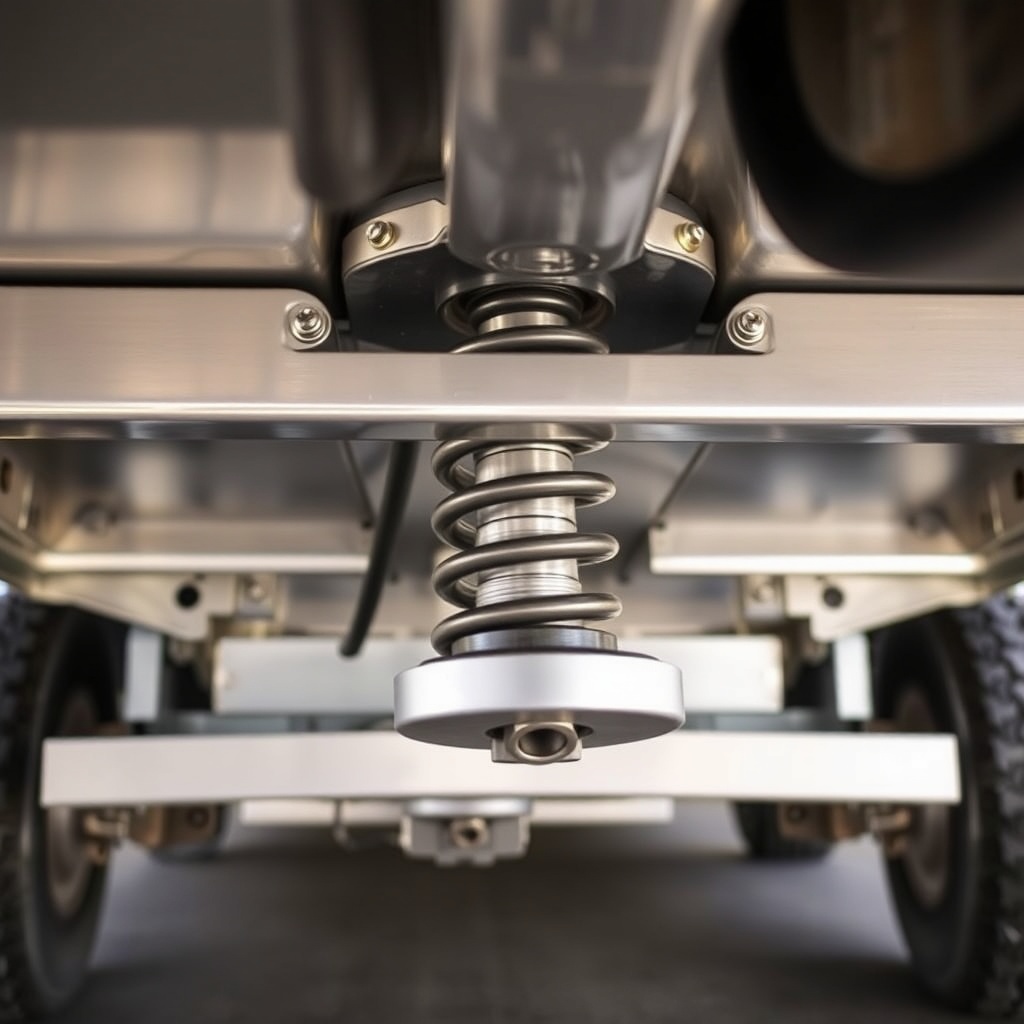
The Sundowner SunLite utilizes a leaf-spring suspension system with nylon-wrapped, slipper-style springs. These springs are designed to provide a balance between load support and ride comfort, which directly influences towing stability. While not as sophisticated as air-ride systems found on premium gooseneck models, the SunLite’s suspension is tuned for trailers with gross vehicle weight ratings (GVWR) typically around 9,800 to 11,400 pounds.
In practice, the leaf springs absorb road imperfections, reducing the vertical whip that can unsettle a tow vehicle. However, owners report that when towing near the maximum capacity, the suspension can become stiff, transmitting more road feedback into the hitch. The slipper spring design reduces binding during articulation, which is beneficial when navigating uneven terrain or winding roads. For those towing with lighter tow vehicles (e.g., half-ton trucks), this stiffness can actually improve control by reducing sway, but it also means a firmer ride for the horses.
Horse owners should note that the SunLite’s suspension is matched to its aluminum frame and wall construction, which saves weight over steel models. This weight reduction improves towing ease, but the suspension still needs regular Sundowner SunLite Maintenance: Floor Checks and Lubrication to ensure leaf springs remain lubricated and shackles are tight. Dry or corroded springs can introduce binding, leading to uneven weight distribution and increased trailer sway at highway speeds.
What Are the Optimal Weight Distribution and Tongue Weight Values for the Sundowner SunLite?
Proper weight distribution is critical for safe towing of any horse trailer, and the Sundowner SunLite demands specific attention to tongue weight. Sundowner recommends a tongue weight range of 10-15% of the loaded trailer’s total weight. For a typical three-horse slant load model, that means a tongue weight between 1,000 and 1,500 pounds (based on a loaded weight of approximately 10,000 pounds).
Tongue weight that is too light (under 10%) can cause trailer sway, especially at highway speeds or in crosswinds. Conversely, too much tongue weight (over 15%) can overload the rear axle of the tow vehicle, reducing steering authority and braking performance. Owners must weigh their trailer fully loaded—including horses, tack, water, and feed—to determine the actual tongue weight. A tongue weight scale is the only accurate method, though many owners use bathroom scales with a pipe and board setup.
Recommended Tongue Weight Table for Sundowner SunLite Models
| Model Type | Typical Loaded Weight (lbs) | Ideal Tongue Weight Range (10-15%) |
|---|---|---|
| Three-Horse Slant Load (2.5 meter width) | 9,800 – 10,500 | 980 – 1,575 |
| Four-Horse Straight Load | 11,000 – 11,400 | 1,100 – 1,710 |
| Two-Horse Bumper Pull (rare SunLite config) | 5,000 – 6,000 | 500 – 900 |
If tongue weight needs adjustment, shifting the horses slightly forward or rearward within the Sundowner SunLite Horse Compartment: Padding and Kick Mat can alter distribution. However, always prioritize horse safety and comfort over perfect weight numbers—keep horses evenly loaded and secure.
How Does the Hitch Receiver Design Influence Towing Dynamics?
The Sundowner SunLite is typically equipped with a standard 2-5/16 inch ball coupler for bumper-pull models, while gooseneck versions use a conventional gooseneck ball in the truck bed. The hitch receiver on the trailer side is a heavy-duty steel plate integrated into the frame, often rated at 14,000 pounds to accommodate the SunLite’s GVWR. This design ensures the hitch can handle the loads without flexing, but it also introduces a dynamic that owners must manage.
Bumper-pull SunLite models benefit from a longer A-frame tongue (typically 4-5 feet from coupler to first axle), which reduces side-to-side sway by increasing the leverage of the tow vehicle. However, the ball coupler’s locking mechanism must be checked for wear—an overly tight latch can cause binding during turns, while a loose latch introduces slop that translates into jerky movements. Gooseneck models place the pivot point directly over the rear axle of the truck, improving turning radius but requiring careful attention to ball height alignment.
For both configurations, using a weight-distributing hitch (WDH) is highly recommended if the towing vehicle is a half-ton or SUV. A WDH uses spring bars to transfer some tongue weight back to the front axle of the tow vehicle, improving steering stability and reducing rear-end sag. Owners who skip this step often report a “porpoising” effect at highway speeds, where the trailer bounces and then settles, causing the tow vehicle to pitch. Proper setup of the WDH—measured via ball height and bar tension—can eliminate this.
What Type of Sway Control Works Best with the Sundowner SunLite?
Given the Sundowner SunLite’s length (typically between 20 and 28 feet) and its relatively lightweight aluminum construction, sway control is a critical towing consideration. The most effective solution depends on the hitch type. For bumper-pull models, a friction-style sway control bar (like those from Equal-i-zer or Reese) provides passive damping. These bars attach to the hitch receiver and the trailer’s A-frame, creating friction that resists rotational movement. Owners report that a properly adjusted friction bar can virtually eliminate wind-induced sway, even in gust conditions up to 30 mph.
For gooseneck SunLite models, sway control is more inherent due to the pivot point over the truck axle, but not foolproof. A gooseneck-specific sway control system, such as a mechanical friction unit on the gooseneck ball, or an electronic stability control (ESC) system integrated into the trailer’s brakes (if equipped), adds an extra layer of safety. The SunLite does not come standard with ESC, but aftermarket systems can be retrofitted by a dealer.
Regardless of the system, owners must check the sway control mechanism’s tension before each trip, especially after trailer storage. Grease fittings should be lubed per Sundowner SunLite Maintenance: Floor Checks and Lubrication to prevent rust binding. If the trailer begins to sway, the correct response is to gradually reduce speed without braking hard—a sudden brake application can worsen the oscillation. Many experienced owners also recommend loading the heaviest horses in the rear stalls to lower the trailer’s center of gravity, which reduces sway tendency.
How Does the Sundowner SunLite’s Braking System Affect Towing Safety?
The Sundowner SunLite comes standard with electric brakes on both axles, a requirement for trailers over 3,000 pounds GVWR. The brake controllers (either time-based or proportional) dictate how smoothly the trailer brakes engage relative to the tow vehicle’s braking. The SunLite’s brakes are drum-style, with self-adjusting mechanisms that require periodic inspection. Owners must set the brake controller’s gain so that the trailer brakes engage slightly before the tow vehicle’s brakes—this prevents the tow vehicle from being pushed from behind.
A common issue reported with the SunLite’s brakes is that the drums can become glazed if the trailer is frequently towed empty or with very light loads. Glazing reduces braking efficiency and can cause a “grabbing” sensation when brakes are applied. Replacing or resurfacing the drums and adjusting the shoes is part of regular maintenance. Additionally, the breakaway switch (a cable that activates brakes if the trailer detaches) must be tested monthly to ensure the battery is charged—a dead battery renders the system useless in an emergency.
Owners towing with diesel trucks (which have high engine braking) should be cautious: over-reliance on the tow vehicle’s exhaust brake can cause the trailer’s brakes to cool unevenly, leading to fade on long downhill grades. Instead, manually modulate the brake controller to match the terrain. For those new to trailer braking, starting with a low gain (e.g., 4 out of 10) and testing in an empty parking lot is wise. The SunLite’s aluminum construction means it’s lighter than steel trailers, reducing braking loads but also making the trailer more susceptible to being pushed by the tow vehicle in a panic stop.
What Are the Best Tire Pressure and Wheel Bearing Practices for Towing the SunLite?
Tire pressure and wheel bearings are the two most overlooked aspects of towing a Sundowner SunLite. The SunLite typically rides on 15-inch or 16-inch radial tires (ST225/75R15 or ST235/80R16), with recommended cold inflation pressures between 50 and 65 PSI for load range D or E tires. Running tires at the correct pressure ensures even tread wear, optimal fuel economy, and stable handling. Under-inflated tires generate excess heat, which can lead to blowouts—a common cause of trailer accidents.
Owners should check tire pressure before every trip when tires are cold (after sitting for at least three hours). A digital gauge is essential, as visual inspection is unreliable. The spare tire (usually mounted on the trailer’s front A-frame) needs regular pressure checks too, as UV exposure degrades rubber. Replacing tires every five to seven years, regardless of tread depth, is recommended due to sidewall cracking.
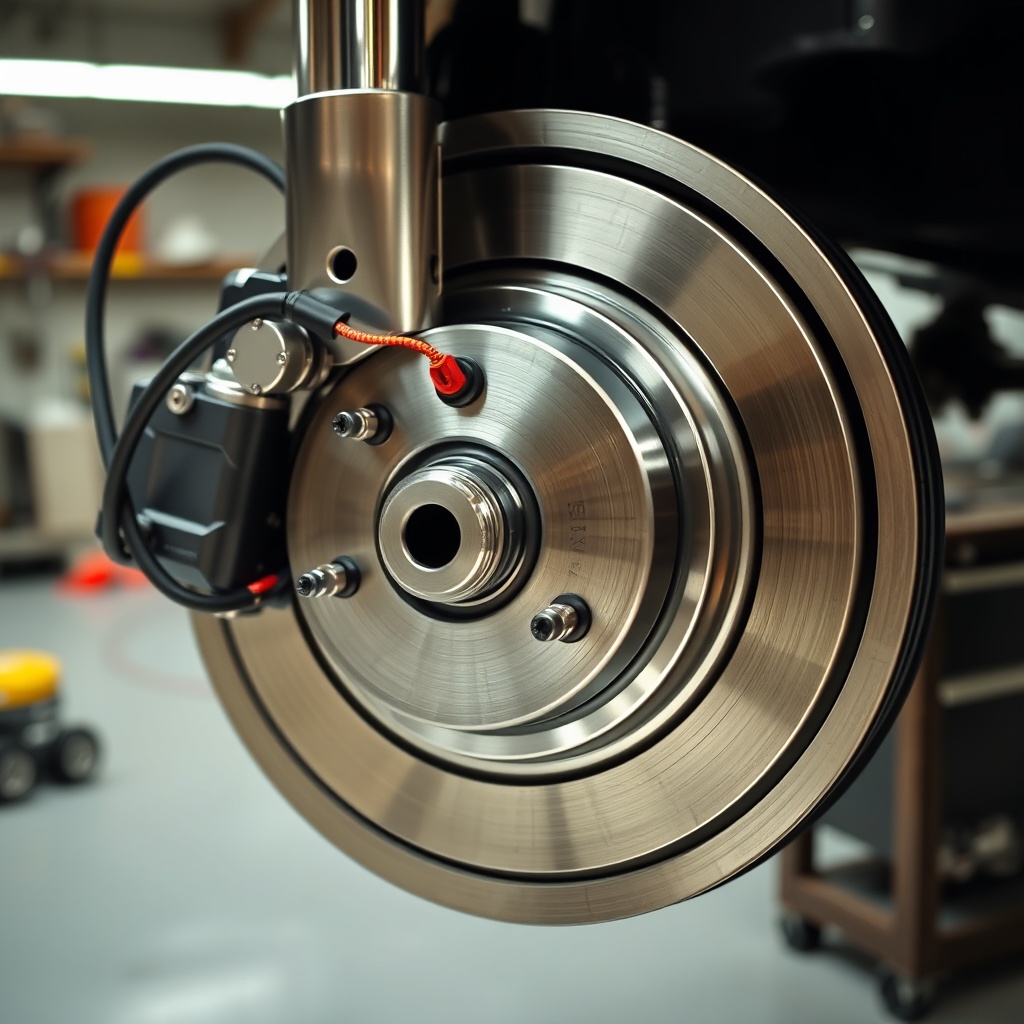
Wheel bearings must be repacked with high-temperature grease annually or every 20,000 miles, per Sundowner’s maintenance schedule. Signs of bearing failure include a grumbling noise during cornering or heat radiated from the hub after towing (use an infrared thermometer; temps above 200 degrees Fahrenheit after a stop indicate problems). The Sundowner SunLite Construction: Aluminum Walls and Floor Durability ensures the frame is corrosion-resistant, but bearing dust caps can still rust and need sealing. When replacing bearings, use only quality kits with tapered roller bearings, and torque the spindle nut to manufacturer specs—over-tightening can cause premature failure.
What Owners Say
“My Sundowner SunLite tows like a dream with my 2019 F-250. I added a weight-distributing hitch, and the sway is almost non-existent, even in crosswinds on I-10. The only gripe is that the suspension is a bit stiff when the trailer is empty, so I always keep one horse onboard when possible.” – Jake T., Texas, owner of a 2021 three-horse slant load.
“I’ve had my SunLite for two years and put 40,000 miles on it. The brakes needed adjusting after 12,000 miles—the dealer said it’s normal for aluminum trailers. Now I check them every oil change. Towing is stable, but you need a good brake controller. I use a proportional one and love it.” – Ellen K., Montana, owner of a 2020 two-horse straight load.
“The tongue weight on my bumper-pull was way too light when I first loaded horses. I shifted the feed back and added a water tank in the front, and it improved dramatically. The Sundowner SunLite Tack and Storage: Saddle Racks and Vents helped me organize weight without sacrificing space. Highly recommend weighing the setup before hitting the road.” – Mike R., Colorado, owner of a 2023 four-horse gooseneck.
Frequently Asked Questions
What is the maximum towing speed for the Sundowner SunLite?
Sundowner recommends a maximum towing speed of 65 mph for all SunLite models. Exceeding this speed increases the risk of sway, tire failure, and braking distance, especially in windy conditions or curves.
Can I tow a Sundowner SunLite with a half-ton pickup truck?
Yes, many half-ton trucks (e.g., F-150, Ram 1500) can tow an unloaded SunLite, but check the truck’s payload capacity for tongue weight and the GVWR of the loaded trailer. A weight-distributing hitch is strongly recommended if the trailer’s loaded weight exceeds 7,000 pounds.
How often should I repack the wheel bearings on my SunLite?
Sundowner recommends repacking wheel bearings annually or every 20,000 miles, whichever comes first. More frequent repacking is needed if the trailer is towed through water or in dusty conditions.
What size ball does a Sundowner SunLite bumper-pull use?
Most models use a 2-5/16 inch ball coupler, but verify your specific trailer’s coupler size (stamped on the coupler). Never use a smaller ball, as it can detach during towing.
Why does my Sundowner SunLite sway when towing empty?
Light tongue weight is the primary cause. When empty, place heavy items (e.g., feed, water, tires) in the front storage compartment to increase tongue weight to the recommended 10-15% range. Using sway control also helps.
Is the Sundowner SunLite’s electric brake system waterproof?
No, the components are weather-resistant but not waterproof. Wash the trailer and brake components with a low-pressure hose; avoid high-pressure sprays that can force water into the drums and bearings. Regularly inspect wiring for cracks.