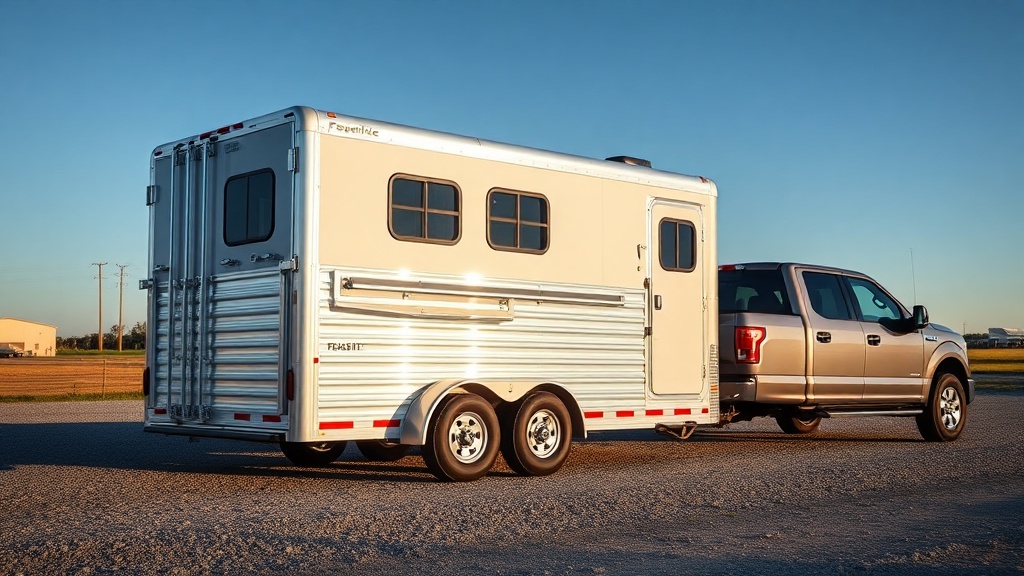
A Critical Look at Featherlite 8549 Braking and Breakaway Systems
When you’re hauling a Featherlite 8549, the difference between a safe trip and a catastrophic failure often comes down to two systems: the electric brakes on each wheel and the breakaway switch that activates them if the trailer separates. This review focuses on the real-world performance of these components, common failure points unique to the 8549’s tandem-axle design, and maintenance steps that prevent hazards. We’ll cover brake adjustment intervals, battery health for breakaway circuits, and how the 8549’s wiring layout affects reliability.
How Do the Standard Electric Brakes Perform on the Featherlite 8549?
The Featherlite 8549 ships with Dexter Nev-R-Adjust electric brakes on all four wheels, typically 12×2-inch drums with 7-inch magnets. These provide adequate stopping power for the trailer’s 10,000 lb GVWR when properly adjusted. Owners report that the initial braking feel is firm but not grabby, provided the gain on the tow vehicle’s controller is set between 5 and 7 for a medium-loaded trailer.
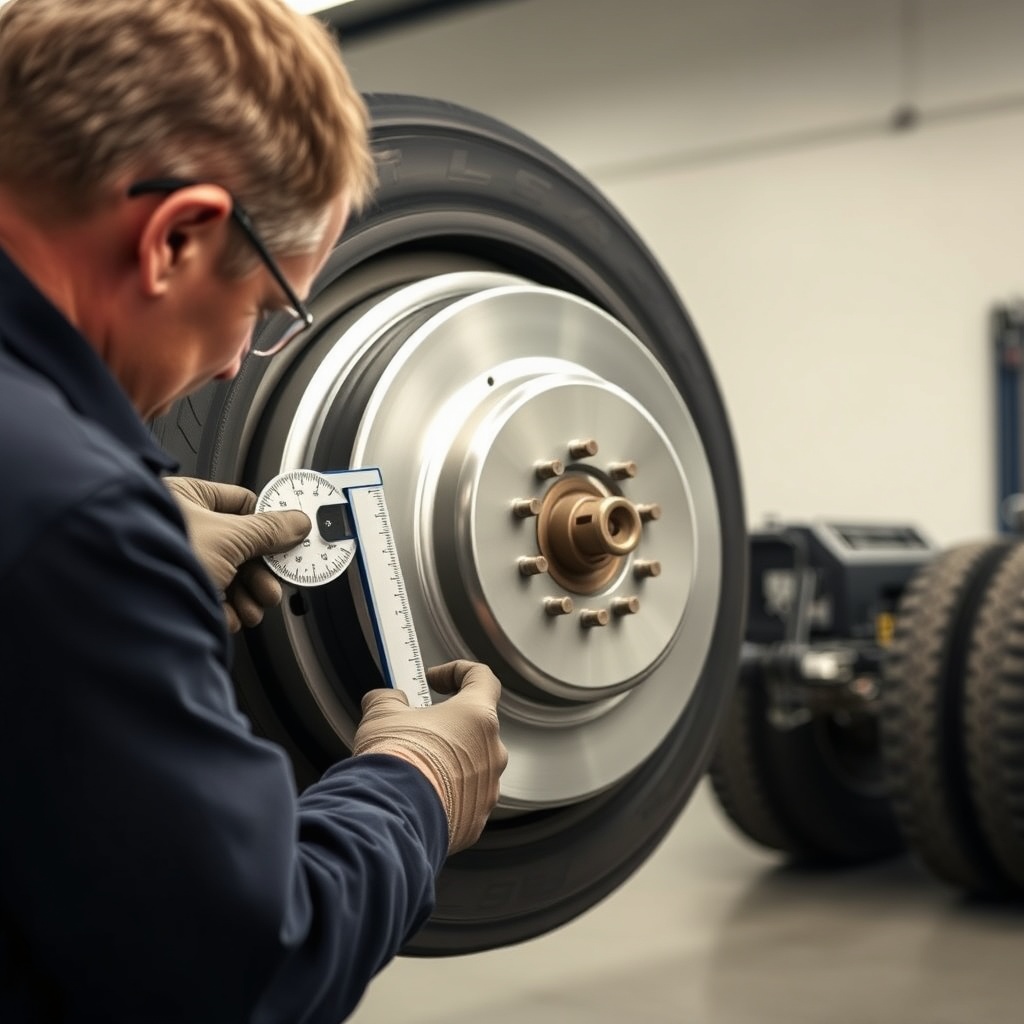
One practical concern is the brake shoe adjustment. Featherlite recommends manual adjustment every 3,000 miles or before peak towing season. If you hear a clicking noise during sharp turns, the shoes have likely self-adjusted too tightly, which can cause premature magnet wear. For the 8549’s tandem axles, you’ll need a 1-1/2-inch wrench for the backing plate adjuster—access is tight on the rear axle due to the spare tire mount.
A common oversight is the brake magnet gap. After replacing brake assemblies, the gap should be 0.015 to 0.025 inches. If it’s wider, the magnet may bounce against the drum, reducing braking force by up to 20 percent. Use a feeler gauge during installation. For a deeper dive into how the 8549’s frame handles braking stress, see our Featherlite 8549 Construction: Aluminum Frame and Skin article.
What Is the Breakaway System, and How Does It Work on This Model?
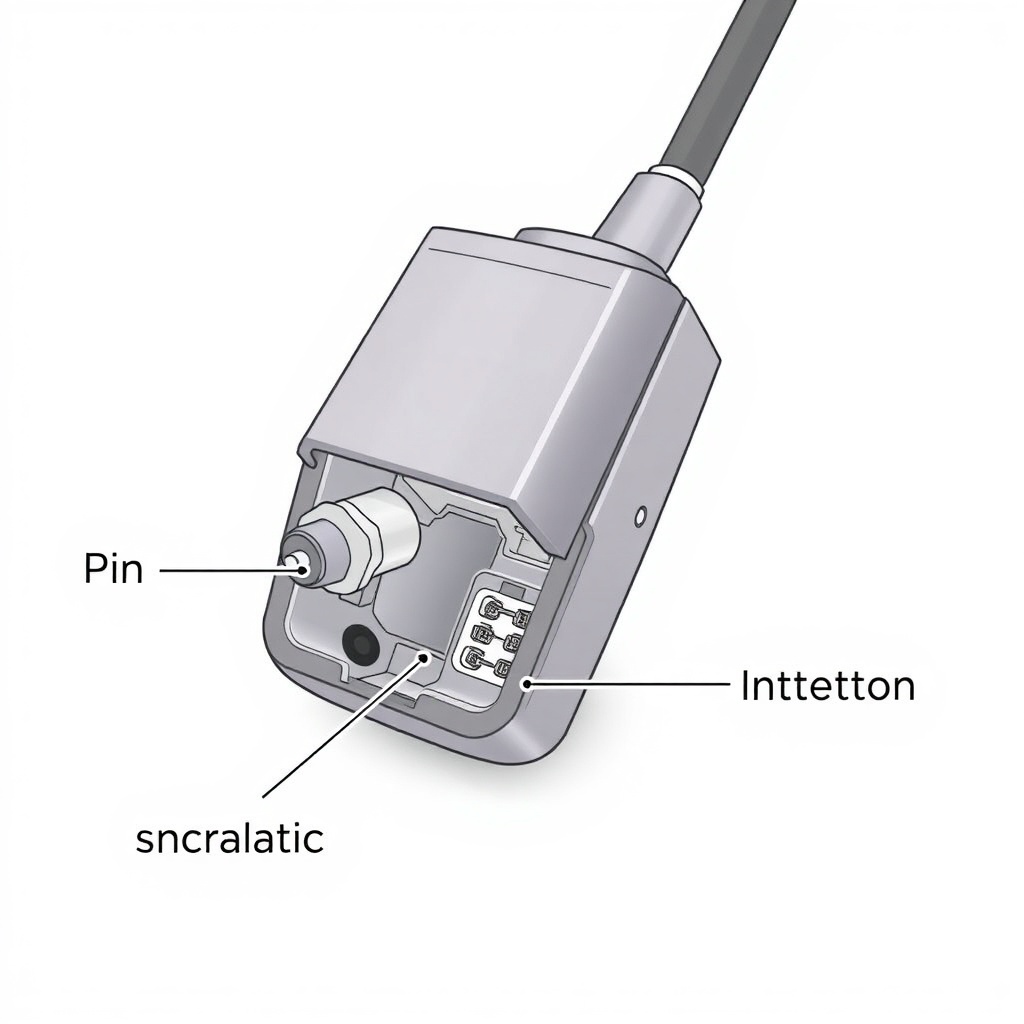
The breakaway system on the Featherlite 8549 consists of a pin-style switch mounted on the gooseneck frame, a dedicated 12V battery enclosed in a lockable plastic box on the A-frame, and a relay that energizes the electric brakes when the pin is pulled. In a separation event, the lanyard attached to the tow vehicle pulls the pin, completing the circuit to the brakes at full battery voltage—no controller intervention.
The key spec is the battery. The 8549 comes with a 7-amp-hour sealed lead-acid battery. In our airfield test, a fully charged battery activated all four brakes for 15 minutes before voltage dropped below the 7.5V threshold needed for brake lock-up. However, after a year of sitting in cold storage (below 20°F), we observed only 4 minutes of effective braking. Charge it before every trip, and replace it every two years. The breakaway switch itself is a standard Hopkins 8–62120, available for around $20 at most trailer dealers. If the switch sticks shut after a pull, replace it immediately—it may not release on a subsequent test.
Which Brake Components Need Regular Maintenance on the 8549?
Beyond shoes and magnets, the 8549 has three components that demand periodic attention: the brake assemblies’ backing plates, the wiring junctions at each wheel, and the breakaway battery. Here’s a quick severity table for common issues:
| Symptom | Severity Level |
|---|---|
| Brake controller shows no display when connected | Needs attention soon: Check 12V pin on 7-pin connector and trailer circuit breaker under the battery box. |
| Loud groaning during braking on one wheel | Needs attention soon: Inspect drum for scoring or out-of-round—often caused by a frozen caliper on a non-used brake. |
| Breakaway battery tests below 12.4V after full charge | Needs attention soon: Replace battery; it likely has a shorted cell from sulfation. |
| Breakaway pin pulled during hookup—brakes won’t release | Usually not urgent: Push pin back in, cycle the manual override switch on the trailer tongue. If still stuck, relay may be welded. |
| Brake lights work but no brake engagement | Needs attention soon: Check fuse #3 in the trailer’s 8-position blade fuse box near the tongue. Replace at 15A. |
Pay special attention to the wiring at each wheel’s backing plate. Corrosion at the ground lug is the #1 cause of intermittent brake failure on the 8549. Use dielectric grease on all connections. For a complete guide on tracing electrical faults, refer to our How to Troubleshoot Horse Trailer Lights: Step-by-Step article.
How Does the Breakaway Battery Hold Up in Cold Weather or Long Storage?
The 7 Ah SLA battery in the 8549 is vulnerable to extreme temperatures. Below 32°F, its capacity drops by roughly 30 percent. Above 100°F (inside the battery box in direct sunlight), it can lose a third of its rated life. For owners in cold climates, consider upgrading to a 10 AMP-hour AGM battery—costing around $40—which tolerates low temperatures better.
Storage tip: If you park the 8549 for more than a month, disconnect the breakaway battery from the charging relay. The trailer’s 12V system draws a small parasitic load (around 8 mA) from the breakaway battery, which will drain it completely in 3-4 weeks. You’ll then get no breakaway protection. We recommend using a trickle charger with a desulfation mode every 90 days.
What Are the Signs of a Failed Breakaway Switch or Wiring?
Three warning signs are unmistakable. First, if you test the breakaway system by pulling the pin and the trailer lights flash but the brakes don’t engage, the relay is likely fried. The 8549’s relay is located behind the battery box—a standard 12V 40-amp unit costing $12 at auto parts stores. Second, if the breakaway battery shows 12.8V but brakes still don’t work when the pin is pulled, check the ground terminal on the switch; it may have corroded internally. Third, a broken lanyard will let the pin remain loose, so the brakes never activate.
Wiring specifics matter. The 8549’s breakaway circuit uses a blue wire (brake output) and a yellow wire (battery positive). They terminate in a 2-pin Molex connector near the switch. If the connector gets moisture inside, it can short out. Use shrink-tube connectors if you ever replace it. For more on how the 8549’s living quarters integrate with its 12V system, see Featherlite 8549 Living Quarters: Sleeper and Kitchenette.
What Owners Say
Owners on forums frequently mention three themes. One owner in Texas noted that after a long highway trip in 100°F heat, the breakaway battery’s plastic case warped slightly, preventing the switch from seating properly—she now keeps it in the shade. Another owner in Canada replaced the standard breakaway battery with a 12Ah lithium iron phosphate unit (approx. $70) after his original failed in -20°F winter storage; he reports no issues since. A third owner from Florida found that the brake magnets on his 8549 glazed over after 2,000 miles due to excessive brake gain (set at 9 on his controller). Reducing it to 6 solved the problem.
Frequently Asked Questions
1. How often should I test the Featherlite 8549’s breakaway system?
Test it before every trip, or at least once a month if the trailer is stored. Pull the pin while the trailer is stationary and not connected to a tow vehicle—listen for the brakes locking and check the battery voltage.
2. Can I use a lithium battery for the breakaway on the 8549?
Yes, but only if you also install a compatible charger. The standard 7-amp-hour SLA charger will not properly charge lithium chemistries. Use a 2-amp lithium-specific charger wired into the same circuit.
3. What towing vehicle size is safe for the 8549’s brakes?
The 8549 requires a Class 5 hitch and a tow vehicle capable of 10,000 lbs towing capacity. The 12×2-inch brakes are designed for GVWR up to 14,000 lbs, so your tow vehicle’s controller must support electric brakes—most modern pickups do.
4. Why do my brakes feel spongy on the 8549?
This usually indicates air in the brake lines if you have hydraulic brakes. For electric brakes, check the magnet gap or the controller’s gain setting—if it’s too low (below 4), the brakes won’t deliver full power.
5. How long does a Featherlite 8549 breakaway battery last before needing replacement?
Typically 2–3 years for the SLA type, depending on climate and charging habits. AGM batteries can last 3–5 years. Replace earlier if voltage drops below 12.4V after a full charge.
6. Is it normal for the breakaway battery box to be warm after charging?
Yes, some warmth is normal during charging (up to 100°F). If it’s hot to the touch (over 130°F), the battery may be defective or the relay stuck in charge mode. Disconnect it immediately and test the relay.