What Makes HorseTrailerPro a Leader in Equine Transport Safety?
HorseTrailerPro has earned its reputation as a trusted name in the equestrian world by prioritizing safety and security above all else. The brand’s commitment to protecting both the handler and the horse is evident in every structural detail, from the reinforced emergency egress systems to the advanced braking technology. This article delves into the most critical safety features that set HorseTrailerPro apart: its emergency windows and integrated brake systems, explaining how each component functions to provide peace of mind on the road.
How Are the Emergency Windows on a HorseTrailerPro Designed for Quick Egress?
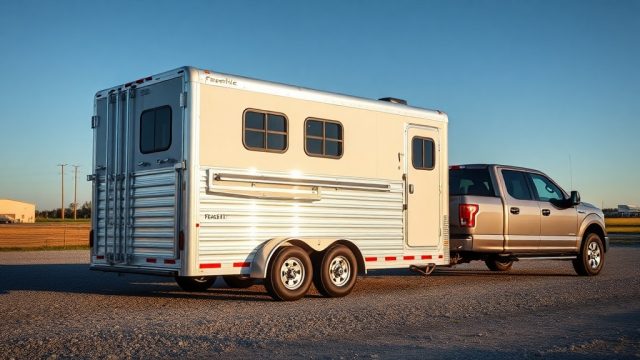
HorseTrailerPro equips every trailer model with strategically placed emergency windows that meet or exceed industry safety standards. These are not standard trailer windows; they are engineered to serve as a rapid escape route if the main door becomes jammed or in the event of an accident. Each emergency window is constructed from polycarbonate or tempered glass, designed to shatter into small, blunt pieces to minimize the risk of injury to a panicked horse. The release mechanism is a simple, color-coded latch system that can be operated with a single hand from inside the trailer, even if the handler is wearing gloves. In a typical two-horse straight load, there is an emergency window on each side of the trailer, directly accessible from the stall area. For larger models, such as a four-horse bumper pull or a gooseneck with living quarters, additional windows are placed near the tack room and the living area. The window dimensions are generous—typically 18 inches by 30 inches—allowing an adult to easily crawl through without obstruction. The brand also provides clear, reflective decals on the interior of the window frame, not on the glass, to ensure that the escape route is identifiable even in low-light conditions. Training materials included with every new trailer emphasize the importance of practicing the emergency drill with both handlers and horses in a safe, controlled environment, reinforcing that speed and familiarity are key to a successful evacuation.

What is the Advanced Brake System on HorseTrailerPro Trailers?
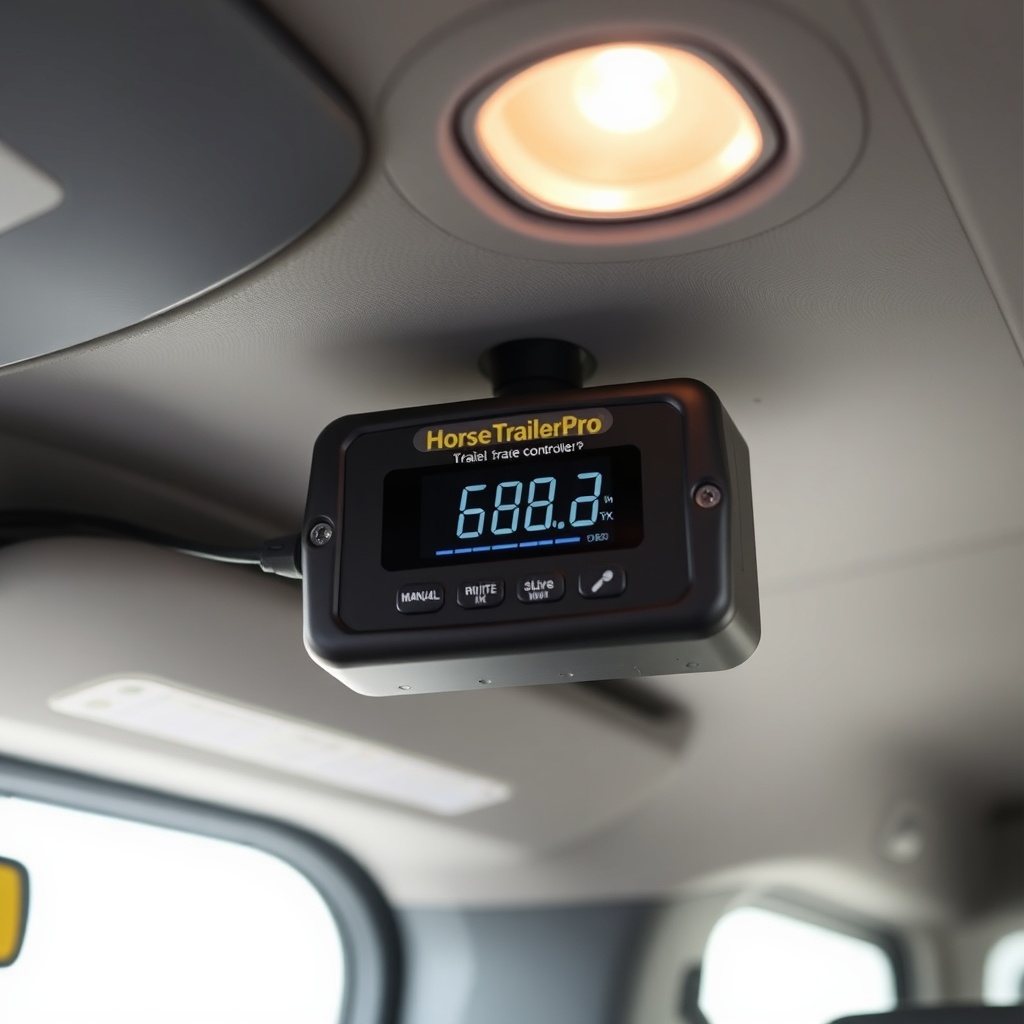
The braking system on a HorseTrailerPro is a multi-layered safety net designed to provide consistent stopping power across varying loads and road conditions. At its core is a proportional braking system, which automatically adjusts the braking force based on the trailer’s speed, weight, and deceleration rate. Unlike older time-delay systems, this proportional system applies the brakes gradually but firmly, matching the tow vehicle’s brake response. The system includes a digital brake controller (often a Tekonsha Prodigy P3 or similar OEM unit) that is pre-wired into the trailer’s harness, featuring a manual override lever for emergency stops. The brakes themselves are electric-hydraulic (often referred to as “electro-hydraulic”) actuators for trailers over 7,000 pounds GVWR, providing smooth, reliable engagement without the harsh jerk of traditional electric brakes. Each wheel is equipped with self-adjusting shoe mechanisms that maintain optimal contact with the drum, reducing the need for routine maintenance. The system also integrates a breakaway switch: if the trailer separates from the tow vehicle, a cable pulls the pin, instantly activating the trailer’s brakes for a controlled stop. HorseTrailerPro rates its braking system to stop a fully loaded trailer on a 10% grade with a stopping distance of fewer than 30 feet from 25 mph, a safety margin that exceeds the federal minimum. For models with living quarters, the brake system is further augmented with an independent backup battery that powers the breakaway system for up to 15 minutes, ensuring safety even if the main electrical system fails.
What Specific Safety Standards Do HorseTrailerPro Emergency Windows Meet?
HorseTrailerPro trailers adhere to the National Highway Traffic Safety Administration (NHTSA) Federal Motor Vehicle Safety Standard (FMVSS) 205, which governs the performance of glazing materials. For emergency windows, this means the polycarbonate panels must be impact-resistant, UV-stabilized, and capable of withstanding a minimum force of 200 pounds per square inch without cracking. The window frames are made from heavy-gauge extruded aluminum, riveted directly to the trailer’s structural aluminum frame to prevent detachment during a rollover. In addition to meeting FMVSS 205, HorseTrailerPro voluntarily complies with the HorseTrailerPro Construction Durability: Aluminum Frame and Composite Panels standards for corrosion resistance and long-term structural integrity. The emergency window latching mechanism is tested for 10,000 cycles of deployment without failure, ensuring that the release does not seize or stick over years of use. The company also employs a “child-safe” design for the window latches, requiring a twist-and-pull motion that is deliberate but not complex, preventing accidental opening during travel while remaining intuitive for an adult under stress. The windows are also equipped with a break-glass hammer tool, mounted inside a clear plastic case next to each emergency window. The hammer is designed to shatter tempered glass (if the polycarbonate version has a glass outer layer) and includes a seatbelt cutter for handlers who may become tangled after an incident. All emergency windows are clearly marked on the exterior of the trailer with reflective orange triangles, complying with Department of Transportation (DOT) guidelines for emergency egress visibility.
| Safety Feature | Specification/Standard | Benefit |
|---|---|---|
| Emergency Window Material | Polycarbonate (impact-resistant, UV-stabilized) | High durability, does not shatter like standard glass |
| Glazing Standard | FMVSS 205 (NHTSA) | Meets federal impact and clarity requirements |
| Breakaway Brake System | Automatic pin-pull activation, 15-minute backup battery (living quarters models) | Stops runaway trailer in seconds |
| Brake Controller | Proportional (Tekonsha P3 or equivalent), pre-wired | Eliminates trailer sway, smooth stops |
| Critical Stopping Distance | <30 ft from 25 mph on 10% grade | Exceeds industry safety margins |
How Does the Brake Controller Integration Improve Safety for Horse Owners?
The integration of a high-quality digital brake controller directly affects how the trailer handles emergency maneuvers, particularly when hauling precious cargo like horses. HorseTrailerPro uses a proportional brake controller that reads the tow vehicle’s deceleration in real time. In a panic stop, the system applies the trailer brakes progressively, preventing the trailer from pushing the tow vehicle (a condition known as “jackknifing”) or causing the horses to lose balance. The controller also includes a manual override slider, which can be activated with a thumb to apply the trailer brakes independently if the tow vehicle is swaying or if the driver needs to correct a sharp turn. For an in-depth guide on troubleshooting common brake controller issues, refer to our article: How to Troubleshoot Horse Trailer Brake Controller Issues. The controller is mounted in a position that is easily reachable from the driver’s seat, often below the dashboard, and features a bright LED display that shows brake output percentage and system status. HorseTrailerPro also includes a “hill descent” mode on select models, which automatically engages the trailer brakes when descending steep grades, maintaining a safe speed. This feature is critical for trailers with living quarters, as the extra weight from water tanks, furnishings, and appliances can dramatically increase stopping distances. The brake controller integration also pairs with the trailer’s HorseTrailerPro Towing Handling: Weight Distribution and Stability system, using the trailer’s built-in load sensors to adjust the brake gain automatically for weight distribution. This synergy between braking and suspension reduces the risk of trailer fishtailing, a common cause of accidents in horse trailers.
What About Brake Performance in Wet or Muddy Conditions?
The electric-hydraulic actuator system provides consistent braking performance even in wet or muddy conditions, because the fluid-based actuation is not affected by moisture in the same way as pure electric brakes. HorseTrailerPro recommends rinsing the brake assemblies after exposure to mud or road salt, but the system is sealed against contaminants. The drum brakes are self-cleaning to a degree, with dust wipers that prevent debris buildup.
What Do Horse Owners Say About the Safety Features of HorseTrailerPro?
Owners consistently praise the horse-friendly design of the emergency egress system and the brake reliability. Many long-time owners note that the emergency window latches are easy to operate, even with one hand, and that the breakaway system has been tested in real-world scenarios without failure. A common positive mention is that the proportional braking system gives the driver confidence when towing through mountainous terrain or sudden traffic stops, as it eliminates the lurching that can scare horses. Some owners with older trailers have reported that the HorseTrailerPro brake controller was easier to set up and had better feedback than previous brands. The breakaway battery backup on living quarters models is repeatedly cited as a standout feature, giving owners peace of mind about electrical failures. A few minor critiques relate to the window hammer’s size—some owners find it a bit small for larger hands—but the design is generally considered robust. The durability of the HorseTrailerPro Living Quarters: Interior Features and Comfort is also frequently mentioned alongside safety, as owners appreciate that the living quarters are built to the same strict standards as the horse area.
Frequently Asked Questions
Q1: How often should I test the emergency windows on my HorseTrailerPro?
HorseTrailerPro recommends testing each emergency window’s latch mechanism at least twice per year, and immediately after any impact or rollover event. Additionally, inspect the polycarbonate for cracks or UV degradation annually. If the window does not open fully with less than a 10-pound pull force, have it inspected by a certified dealer.
Q2: What is the cost range for replacing a HorseTrailerPro emergency window assembly?
A replacement emergency window assembly for a HorseTrailerPro costs between $450 and $750, depending on the model (polycarbonate vs. tempered glass) and whether it includes the frame and latch hardware. This does not include labor for installation, which can add $100 to $200 at a certified service center.
Q3: Can I install an aftermarket brake controller on a HorseTrailerPro?
Yes, but HorseTrailerPro strongly recommends using the OEM-specified proportional controller (such as the Tekonsha Prodigy P3) to ensure compatibility with the trailer’s wiring and load sensing system. Aftermarket controllers may not interface correctly with the electric-hydraulic actuator and could void the trailer’s warranty.
Q4: How do I know if my HorseTrailerPro’s breakaway battery is charged?
Most models include a dashboard indicator light on the trailer’s electrical panel that shows the breakaway battery voltage. On living quarters models with the backup battery, there is a dedicated digital gauge that shows a green LED when the battery is above 12.6 volts. Battery should be replaced every 3 to 5 years.
Q5: Are the emergency windows suitable for horses to use in an emergency?
The emergency windows are designed for human egress, not for horses. Horses should not be expected to exit through these windows, as the size and height are not intended for equine escape. The windows serve to allow a human to quickly exit the trailer and assist horses from outside after an accident.
Q6: Does the brake system need professional inspection after towing in saltwater environments?
Yes, HorseTrailerPro advises a professional brake inspection after every trip near saltwater (coastal areas or roads treated with salt). The electric-hydraulic actuator and drum assemblies can suffer from corrosion if not properly rinsed and lubricated. Annual brake system service is recommended regardless of environment.