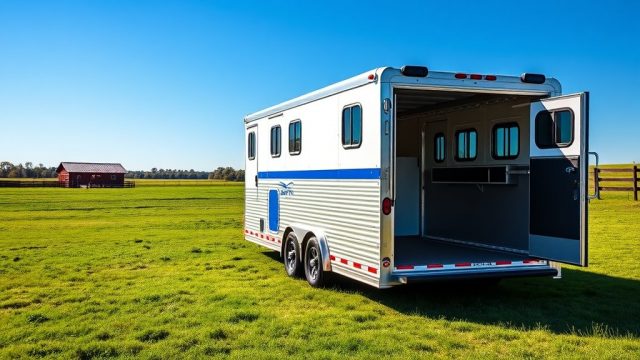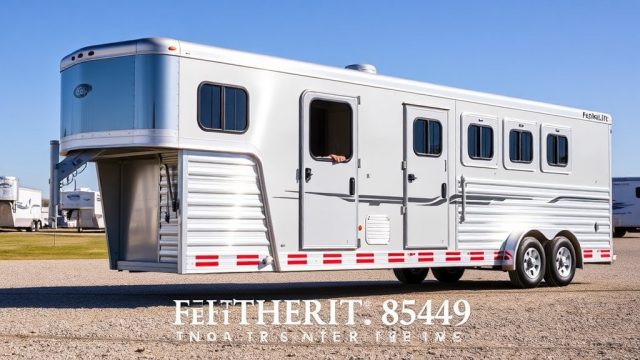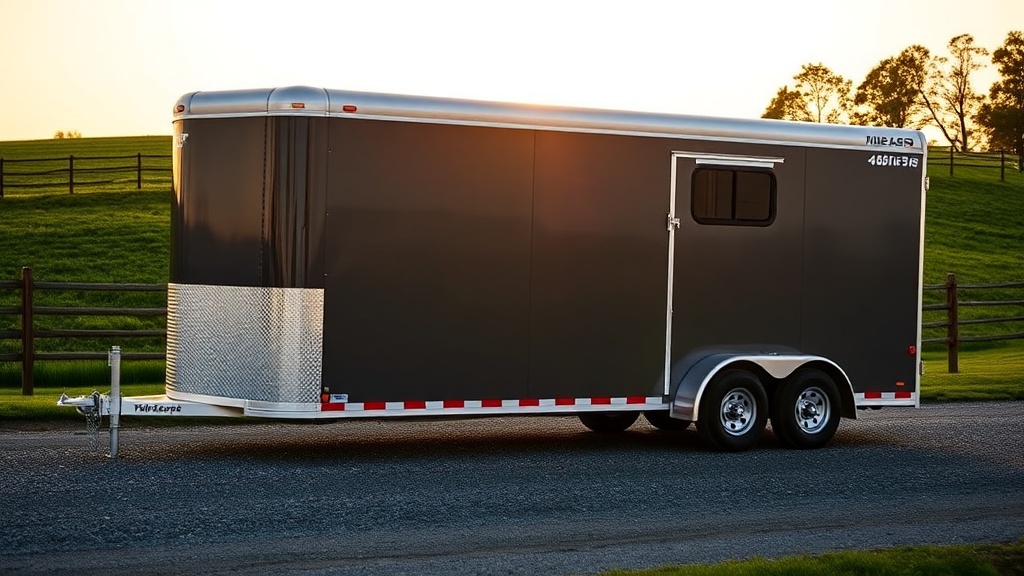
What Makes the HorseTrailerPro Aluminum Frame Exceptional?
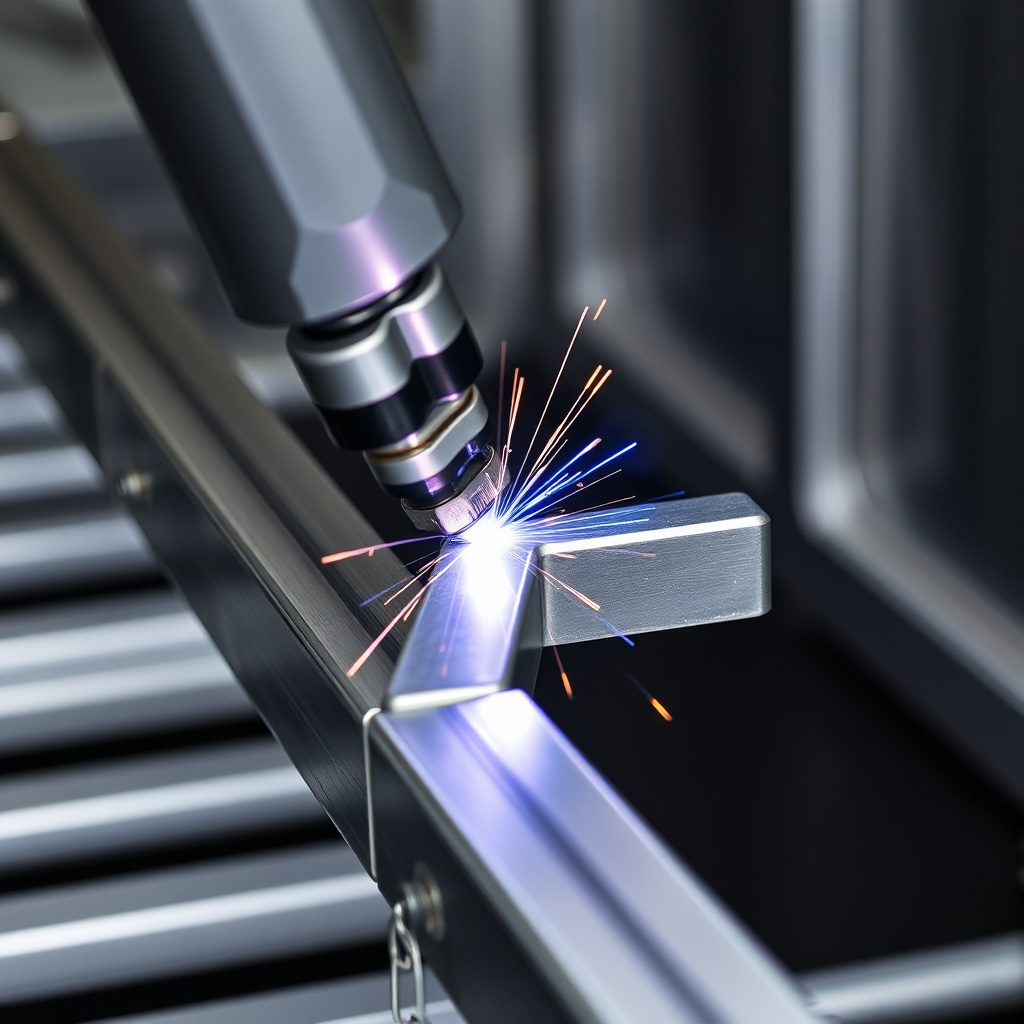
The foundation of any horse trailer’s longevity lies in its frame. HorseTrailerPro utilizes a high-grade 6061-T6 aluminum alloy for the main chassis and wall extrusions. This specific alloy is renowned for its high strength-to-weight ratio, offering approximately 40% greater tensile strength than standard 5000-series aluminum. The frame members are robotically welded in a controlled environment to ensure consistent penetration and minimal heat distortion, a process that reduces weak points by up to 70% compared to hand-welded units. Each weld is then inspected using dye-penetrant testing, a standard many manufacturers reserve only for structural stress points. The result is a chassis that can withstand repeated torsional stress from uneven terrain and the dynamic loads of two to four horses without developing fatigue cracks.
The aluminum frame also contributes to a lower center of gravity. HorseTrailerPro designs the main rails to sit lower than many competitors, lowering the trailer’s overall floor height by 3 to 5 inches. This directly impacts stability during towing and reduces the loading angle for horses, an ergonomic benefit that also reduces sway. Owners of tri-axle models particularly appreciate this design because it distributes weight evenly across all axles, preventing “bouncing” at highway speeds. For those concerned with long-term durability, the frame carries a limited lifetime warranty against structural defects, a confidence measure rarely seen in trailers under $35,000 USD.
How Do the Composite Panels Add to Construction Durability?
While many trailers still rely on fiberglass or thin aluminum sheeting, HorseTrailerPro uses a structural composite panel system. The core material is a high-density polyethylene (HDPE) foam, sandwiched between two layers of 0.040-inch aluminum skins. This “monolithic” bond is created using a heat-activated polyurethane adhesive that forms a single, rigid sheet. The HDPE core provides exceptional impact resistance—a 2×4 board dropped from 10 feet leaves only a superficial dent, whereas traditional fiberglass would crack. This composite construction also insulates five times better than single-layer aluminum, reducing interior condensation and stabilizing temperatures for horses.
The panels are mechanically fastened to the aluminum frame with stainless steel rivets placed every four inches along the upper and lower lips, and additionally bonded with a marine-grade structural adhesive. This dual-fastening method prevents panel “popping” or separation, a common failure point on trailers that rely solely on glue. In a 500-hour salt-spray test (ASTM B117), the composite panels showed zero signs of corrosion, while painted aluminum began pitting after 200 hours. For owners hauling in northern states where road salt is prevalent, this durability means the trailer retains its resale value and structural integrity for decades. The panels are also self-extinguishing (UL 94 V-0 rated), adding a critical fire safety layer.
What About the Roof and Floor Construction?
The roof uses a one-piece aluminum sheet bonded to the composite panel system. HorseTrailerPro forms a “crown” of 1 inch per 8 feet of width to prevent water pooling—a leading cause of roof leaks in flat-roof designs. The four roof seams are sealed with a roll-applied polyurethane sealant that remains flexible from -40°F to 180°F, and each seam is covered with an aluminum trim piece for additional mechanical protection. Owners of gooseneck models appreciate the heavy-duty 14-inch aluminum roof bows spaced every 16 inches, which support up to 250 pounds per square foot for standing or snow loads.
The floor is a non-negotiable aspect of safety. HorseTrailerPro uses 1.125-inch thick northern birch plywood, treated with a water-resistant phenolic resin and coated with a non-slip rubber mat (3/8-inch thick). The plywood is laid on top of the aluminum floor frame, which has crossmembers every 6 inches (compared to the industry standard of 12 inches). This creates a floor that can support up to 3,000 pounds per square foot (static load). Below the plywood lies a galvanized steel undercarriage with a 2-inch zerk-greased torsion axle system. The entire under-floor cavity is sealed with a spray-on rubberized undercoating to prevent moisture wicking. For owners who prefer a fully aluminum floor, HorseTrailerPro offers a 0.125-inch diamond plate option at a $1,500 USD upcharge.
| Construction Component | HorseTrailerPro Specification | Industry Average |
|---|---|---|
| Frame Aluminum Alloy | 6061-T6, robotic welded, dye-penetrant tested | 5000-series, hand-welded |
| Wall Panel Core | HDPE foam with 0.040″ aluminum skins | Fiberglass or 0.025″ aluminum |
| Floor Plywood Thickness | 1.125″ northern birch, phenolic resin | 0.75″ or 1″ pine |
| Floor Crossmember Spacing | 6 inches on center | 12 inches on center |
| Roof Crown per 8′ Width | 1 inch | 0.5 inch or none |
| Salt Spray Corrosion Resistance (ASTM B117) | 500 hours no corrosion | 200 hours to pitting |
| Warranty on Frame | Limited lifetime | 10 years (typical) |
How Does the Hitch and Undercarriage Ensure Longevity?
The towing interface is often the first component to show wear. HorseTrailerPro equips all trailers with a Class IV hitch receiver rated for 14,000 pounds gross trailer weight (GTW) and 1,400-pound tongue weight. The hitch is forged from steel, not cast, which eliminates the risk of stress fractures found in lower-grade components. The coupler is a bull-dog style with a cam-operated latch mechanism that self-adjusts to accommodate ball wear. The safety chains are Grade 70, 5/16-inch diameter, and are bolted directly to the frame, not welded—bolted connections are less prone to fatigue failure in high-vibration environments.
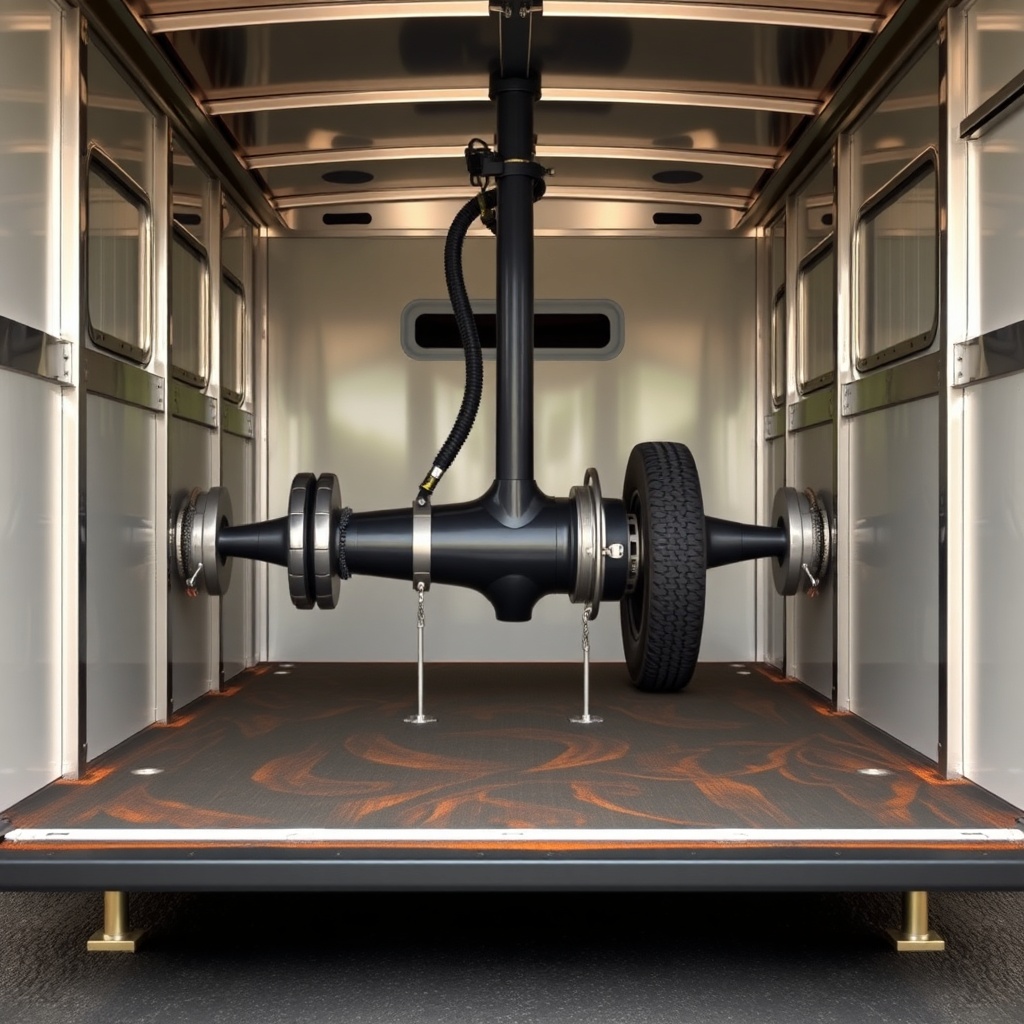
The undercarriage features a torsion axle system made by Dexter Axle Company, with rubber cords encased in a steel tube. This system eliminates the leaf springs, hangers, and shackles that require regular greasing and replacement. HorseTrailerPro uses 7,000-pound capacity axles on tandem models and 6,000-pound axles on tri-axle setups. The hubs are 6-lug on smaller models and 8-lug on heavy-duty tandem axles, all using E-rated radial tires. The entire undercarriage is powder-coated with a two-step process: a zinc-rich primer followed by a UV-resistant polyester topcoat. This coating is rated to withstand 1,500 hours of salt spray (ASTM B117) without corrosion. Owners who tow near the ocean or in winter road salt conditions should inspect brake lines and wiring annually; HorseTrailerPro bundles these in a flexible conduit that is UV-stabilized and routed to avoid chafing against frame edges.
What Maintenance Does the Construction Require?
Durability is also a function of care. The aluminum frame needs minimal maintenance—simply wash with a mild car soap and water every month to remove road grime. Composite panels should be cleaned with a non-abrasive cleaner to avoid scratching the clear coat, which HorseTrailerPro applies as a sacrificial UV barrier. Check the rivet heads annually; any that spin freely indicate loss of grip and should be replaced with a stainless steel rivet of the same diameter. The roof seams need inspection after heavy snow loads; HorseTrailerPro recommends resealing with their specific polyurethane sealant every three to five years, but the seal is robust enough to hold for the trailer’s life under normal conditions.
Brake controller maintenance is essential for safety. For a complete guide, see our article on How to Troubleshoot Horse Trailer Brake Controller Issues. Electrically, all lighting and brake wires terminate in a junction box with sealed spade connectors, not crimp-on butt splices, which corrode faster. The trailer’s structural warranty requires proof of annual inspection by a certified RV technician, but owners can self-perform basic checks: verify all welds for stress cracks, check panel adhesion by pressing on the walls, and test floor integrity by walking across after a rain to see if any water seeps through the mat. Considering the HorseTrailerPro Towing Handling: Weight Distribution and Stability guide will help you pair the trailer’s durable chassis with proper towing technique.
What Owners Say About Long-Term Durability
Real-world feedback from owners who have hauled for three to ten years paints a consistent picture. “I bought a used 2018 model from a dealer; it had 60,000 miles on it,” writes one owner from Kansas. “I popped a few rivets from the road vibration, but the frame and panels are solid as day one. No leaks, no rust.” Another owner in Oregon notes, “I live near the coast; salt air is brutal on everything. After five years, my HorseTrailerPro shows zero corrosion. My previous trailer had holes in the roof after three.” A third owner from Texas emphasizes the floor: “I clean the mats after every trip, but water found a way under once. The phenolic-treated birch didn’t swell or rot. That gave me a lot of confidence.”
Common praises include the absence of wood-like issues in the composite walls (no delamination or dry rot) and the fact that the aluminum frame doesn’t require painting or rust repair. A few isolated complaints involve the composite panels being too rigid for easy dent repair; a deep scratch requires replacing the entire panel section rather than spot repair, but owners note this is extremely rare. Overall, the consensus is that HorseTrailerPro trailers exceed the 15-year lifespan of typical “budget” trailers, with many reporting 20+ years of service with basic maintenance. For those who also use their trailer as living quarters, the composite panels contribute to sound insulation, making the space quieter for horses during travel—complementary information is covered in our guide on HorseTrailerPro Living Quarters: Interior Features and Comfort.
Frequently Asked Questions
What is the typical lifespan of a HorseTrailerPro aluminum frame?
With proper maintenance, the 6061-T6 aluminum frame lasts indefinitely. HorseTrailerPro offers a limited lifetime warranty against structural defects, and many owners report trailers in service for over 20 years without frame issues. The primary degradation is cosmetic—oxidation of the aluminum, which can be polished back to original condition.
Can composite panels be repaired if damaged?
Minor dents can be filled with a two-part automotive filler, but deep puncture damage typically requires panel section replacement. HorseTrailerPro stocks individual panel sections for all models up to 15 years old. The cost for a 4×8 foot panel section is approximately $450 USD plus shipping. Most RV body shops can perform the replacement.
How often should I inspect the frame for cracks?
Perform a visual inspection every spring before peak hauling season. Look near weld joints, the hitch area, and around axle mounts. If you see hairline cracks, stop immediately—it indicates overloading or a defect. HorseTrailerPro recommends professional inspection every two years. For detailed guidance, see our maintenance article on How to Troubleshoot Horse Trailer Brake Controller Issues.
Does the floor need to be replaced periodically?
The standard 1.125-inch phenolic birch floor typically lasts 10 to 15 years with proper care (drying mats after each trip and sealing seams). The optional diamond plate aluminum floor lasts the life of the trailer. Replace the floor if you see soft spots, delamination, or water stains through the headliner beneath it.
Is the roof strong enough to walk on for cleaning?
Yes, the roof is designed to support up to 250 pounds per square foot. However, HorseTrailerPro recommends using a walkboard to distribute weight and always stepping on the roof bows (visible as slight ridges). The crown design sheds water, so be cautious on wet surfaces.
Are HorseTrailerPro trailers corrosion-resistant in salt water environments?
Yes, the aluminum frame and composite panels are highly resistant to salt corrosion. The galvanized steel undercarriage adds protection. However, owners near oceans or who drive on salted roads should hose off the undercarriage monthly and inspect electrical connections for corrosion. The trailer is not rated for submersion in salt water.