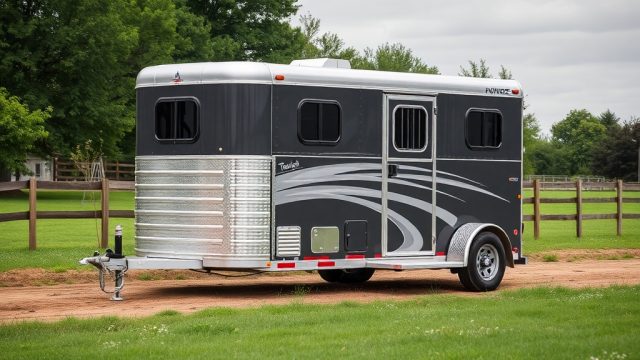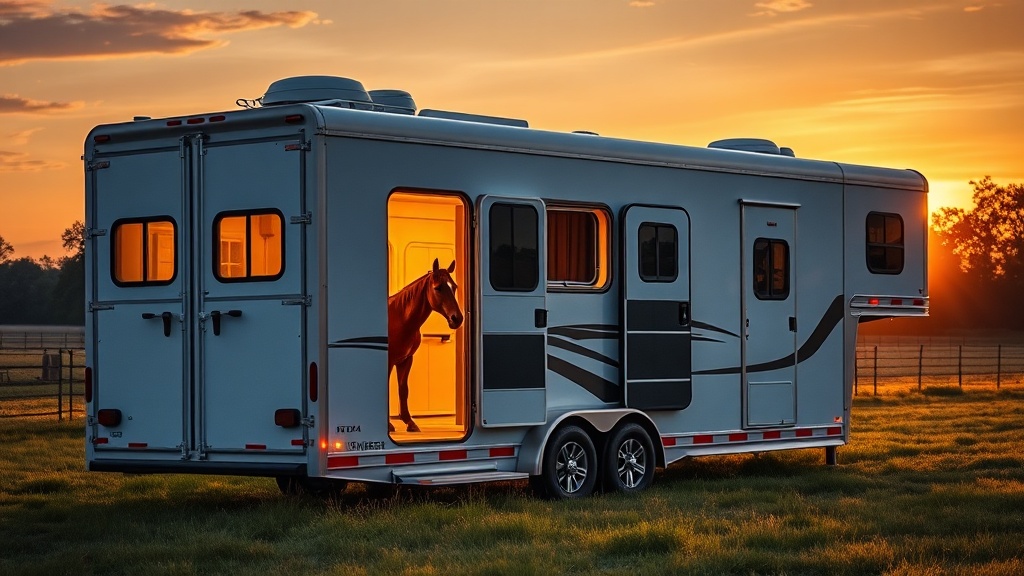
HorseTrailerPro Buying Guide: How to Choose the Perfect Living Quarters
Choosing a living quarters horse trailer is a significant investment, and HorseTrailerPro has earned a reputation for thoughtful design and durable construction. This guide breaks down the key factors to consider when selecting a HorseTrailerPro model, from layout and climate systems to towing dynamics. Whether you are a weekend competitor or a full-time traveler, understanding what each floorplan offers will ensure you spend your money wisely.
What Living Quarters Layouts Are Available and Which Suits Your Needs?
HorseTrailerPro offers three primary living quarters layouts: the standard rear-tack configuration, the mid-tack design, and the full living quarters with an extended horse area. The standard floorplan places the tack room behind the living quarters, maximizing sleeping and lounging space up front. The mid-tack layout moves the tack room between the living area and the horse compartment, providing more separation for longer trips. The full living quarters model adds extra cabinetry and a larger bathroom, ideal for extended stays on the road.
For a competitive comparison, see HorseTrailerPro vs Sundowner SunLite: Which Has Better Towing and Handling? to understand how layout differences affect towing performance. The most popular choice among full-time users is the mid-tack floorplan, as it offers a balanced mix of living space and storage without compromising horse comfort.
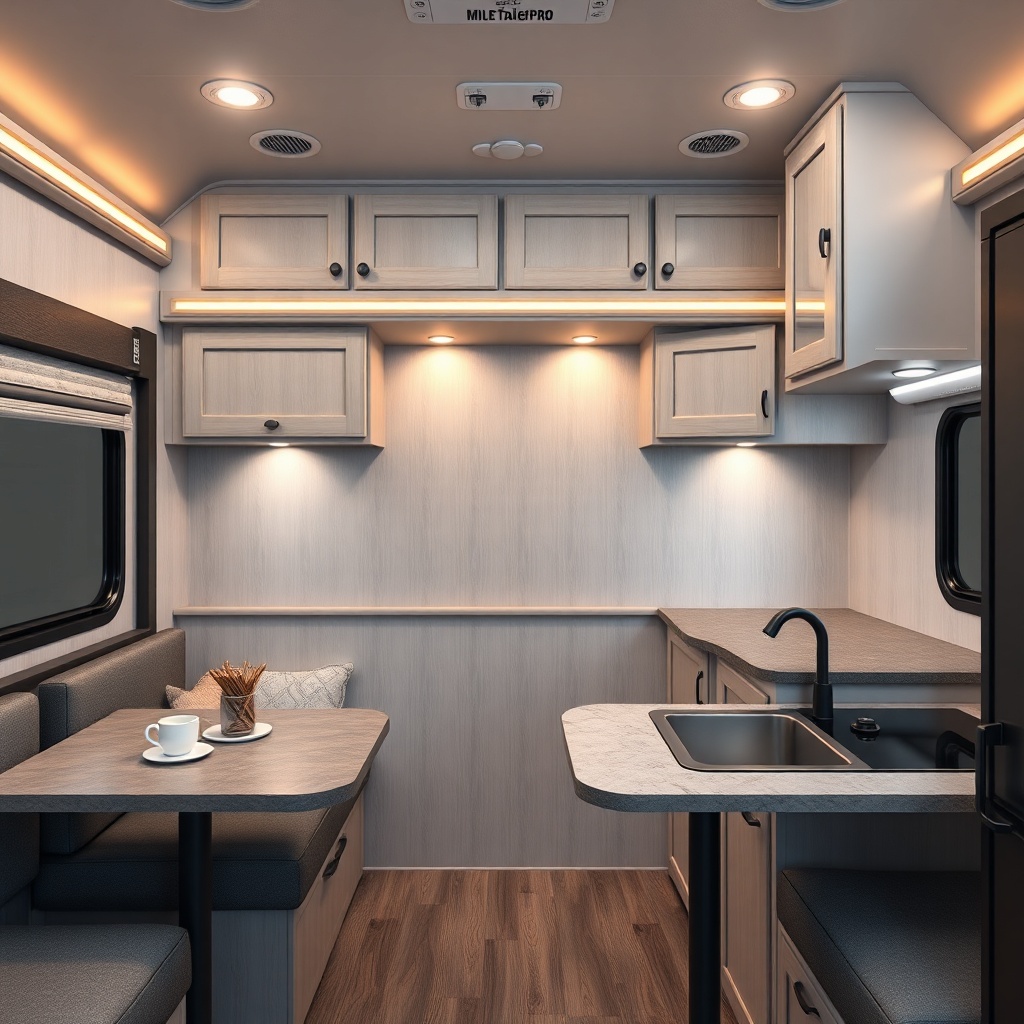
What Should You Look for in the Kitchen and Counter Space?
The kitchen is the heart of any living quarters, and HorseTrailerPro models feature solid-surface countertops, two-burner propane stoves, and residential-size sinks. When evaluating kitchen ergonomics, focus on counter length and vertical clearance. Typical models offer 36 inches of counter space in L-shaped configurations, while larger floorplans provide up to 48 inches. Drawer depth and pantry accessibility vary by year and trim level.
For a deeper dive into how these kitchens perform for cooking and cleaning, read the HorseTrailerPro Living Quarters: Kitchen Ergonomics and Counter Space Review. Models built from 2018 onward include soft-close drawer slides and a dedicated spice rack behind the stove, which significantly improve daily use. If you frequently cook full meals, prioritize a model with the optional three-way refrigerator (120V, propane, and 12V).
| Feature | Standard Configuration | Premium Upgrade |
|---|---|---|
| Counter Material | Solid-surface (Corian-style) | Quartz with integrated sink |
| Stove Burners | 2-burner propane | 3-burner propane with glass lid |
| Refrigerator Size | 3.2 cu. ft. (propane/electric) | 4.5 cu. ft. (120V/12V/propane) |
| Total Counter Length | 36 inches (L-shape) | 48 inches (galley style) |
| Drawer Pull Weight Capacity | 30 lbs per drawer | 50 lbs per drawer |
| Integrated Wine/Beverage Rack | No | Yes (optional) |
How Are the Bathroom and Shower Designed for Horse Camping?
Wet baths are standard in most HorseTrailerPro living quarters, meaning the shower floor doubles as the bathroom floor with a single drain. Layouts feature a marine-grade toilet, a small sink with counter, and a handheld showerhead. The shower space measures approximately 28 inches by 30 inches in the standard model, which is tight for taller individuals. The premium models offer a separate dry bath with a larger shower pan measuring 32 inches by 36 inches.
Owners who frequently boondock appreciate the 10-gallon freshwater tank combined with the optional 6-gallon water heater. For a detailed assessment of real-world usability and mildew resistance, see the HorseTrailerPro Living Quarters: Bathroom and Shower Review. One common upgrade is the addition of a skylight in the shower area, which reduces condensation and improves airflow.
Which HVAC Systems Are Best for Climate Control?
HorseTrailerPro uses Coleman-Mach rooftop air conditioners (13,500 BTU or 15,000 BTU) for cooling and a Suburban forced-air propane furnace (20,000 to 30,000 BTU) for heating. The standard models include a single-zone system, while the larger living quarters offer dual-zone thermostats. For year-round travel, the 30,000 BTU furnace is recommended, as it can maintain a comfortable interior even in sub-freezing temperatures.
Refer to the HorseTrailerPro Living Quarters: HVAC Systems and Climate Control for an in-depth review of insulation R-values and ductwork placement. Models built after 2020 feature upgraded ducting with separate runs to the sleeping loft, reducing temperature stratification. Most owners recommend adding the optional ducted heating system for the horse side, as it keeps the animals comfortable without running the generator all night.
What Entertainment and Lounge Features Enhance the Travel Experience?
The lounge area in HorseTrailerPro living quarters typically includes a convertible dinette that transforms into a 60-inch by 74-inch bed, plus theater-style seating in some floorplans. Standard entertainment includes a 32-inch LED TV with a DVD player, Bluetooth stereo, and USB charging ports at the dinette. The premium packages upgrade to a 40-inch Smart TV with built-in streaming apps and a soundbar.
For a full tour of seating configurations and audio/video options, consult the HorseTrailerPro Living Quarters: Lounge and Entertainment Features Review. One noteworthy design detail is the swivel base on the theater seats, which allows the driver and passenger to face the TV while the trailer is parked. The overhead cabinetry in the lounge area can hold up to 15 cubic feet of gear, making it ideal for storing coats, riding helmets, and blankets.
What Owners Say
Owner testimonials consistently highlight the durability of HorseTrailerPro’s aluminum framing and the quality of the fit and finish in the living quarters. Many users report that after 50,000 miles of towing, the cabinets still close without squeaks and the flooring shows minimal wear. Some owners note that the standard mattress in the loft is stiff, but aftermarket toppers resolve this issue.
Common praises include the ease of cleaning the Corian surfaces and the good insulation that keeps the living area quiet while horses are loading. Criticisms often revolve around the standard bathroom size—tall individuals find the shower cramped—and the freshwater tank capacity being too small for extended dry camping. Several owners recommend upgrading to the 20-gallon fresh water tank for trips longer than three days.
Frequently Asked Questions
1. What is the average price of a HorseTrailerPro living quarters trailer?
A new HorseTrailerPro living quarters trailer ranges from $45,000 to $95,000 USD, depending on floorplan, size, and optional upgrades. Used models from 2018-2022 typically sell for $32,000 to $62,000 USD.
2. How many horses can a HorseTrailerPro living quarters model accommodate?
Most living quarters models accommodate 3 to 4 horses in the rear compartment with a standard slant-load configuration. Some floorplans offer a 2-horse straight-load option for those who want more living space.
3. What is the weight of a typical HorseTrailerPro living quarters trailer?
The average dry weight ranges from 7,800 lbs to 11,200 lbs. With full water tanks and equipment, a towing vehicle rated for at least 14,000 lbs is recommended.
4. Does HorseTrailerPro offer a warranty on the living quarters?
Yes, HorseTrailerPro offers a 3-year limited structural warranty on the frame and a 1-year warranty on appliances and cabinetry. Extended warranties are available through authorized dealers.
5. Can the living quarters be used without hookups?
Yes, the standard setup includes a 10-gallon freshwater tank, a grey water tank, and a propane system for cooking and heating. However, for extended dry camping, an additional freshwater tank upgrade is recommended.
6. What towing vehicle is recommended for a HorseTrailerPro living quarters trailer?
A heavy-duty 3/4-ton or 1-ton truck (Ford F-350, Ram 3500, or Chevrolet Silverado 3500) is recommended. A weight-distributing hitch and trailer brake controller are essential for safe towing.