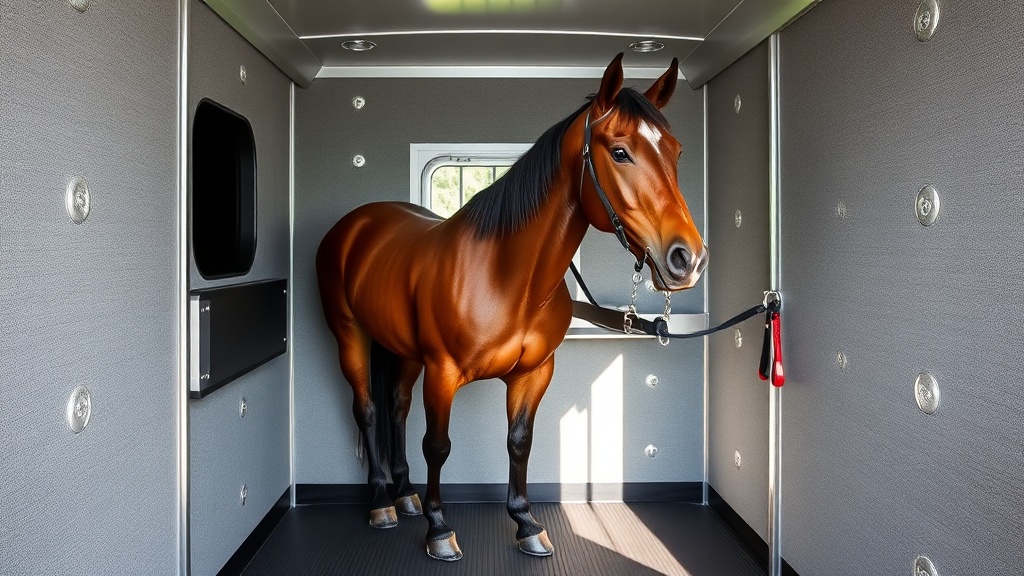
HorseTrailerPro Horse Compartment: Foam Wall Padding Review
For the discerning equestrian, the horse compartment is the heart of any trailer, and HorseTrailerPro has made significant strides in equine comfort with their foam wall padding system. This review dives deep into the materials, installation, and real-world performance of the padding, focusing on safety, noise reduction, and thermal insulation. Whether you haul a single champion or a herd of ponies, understanding this padding is key to protecting your valuable cargo.
What Materials Are Used in the Foam Wall Padding?
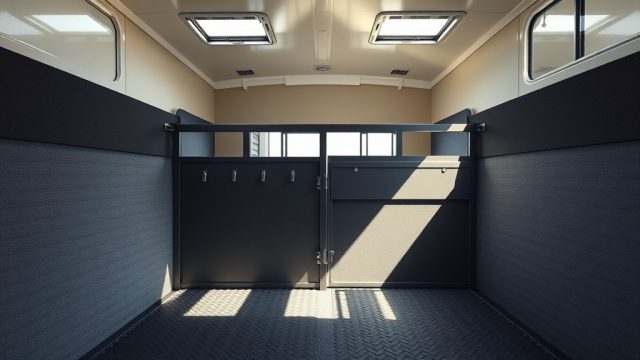
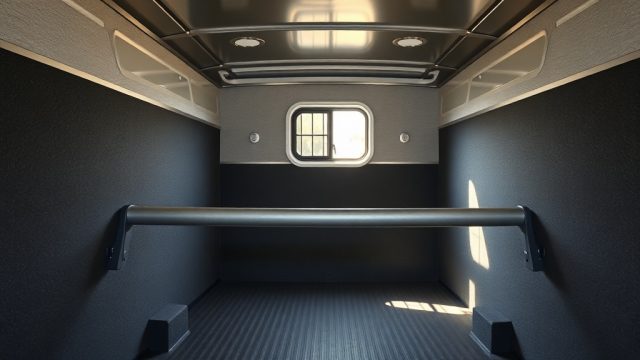
HorseTrailerPro utilizes a closed-cell polyethylene foam with a tough, UV-resistant vinyl covering. The foam itself is 1.5 inches thick, offering a density of 2.2 pounds per cubic foot, which provides excellent impact absorption without being overly soft. The vinyl skin is marine-grade, rated for 1,000 hours of UV exposure, ensuring it won’t crack or fade even under direct sun. A critical detail is the foam’s closed-cell structure, which prevents moisture absorption—essential for managing ammonia from urine and reducing mold growth. The padding is attached using industrial-grade VELCRO strips and stainless steel screws through reinforced grommets, allowing for easy replacement if damaged.
Comparatively, many competitors use open-cell foam that can become waterlogged and heavy, leading to sagging. HorseTrailerPro’s choice material adds only 12 pounds per 8×8-foot wall section, keeping the trailer’s payload capacity high. The foam’s R-value of 4.5 per inch also contributes to a more stable internal temperature, reducing heat stress on horses during summer trips. This is especially beneficial when combined with proper ventilation systems.
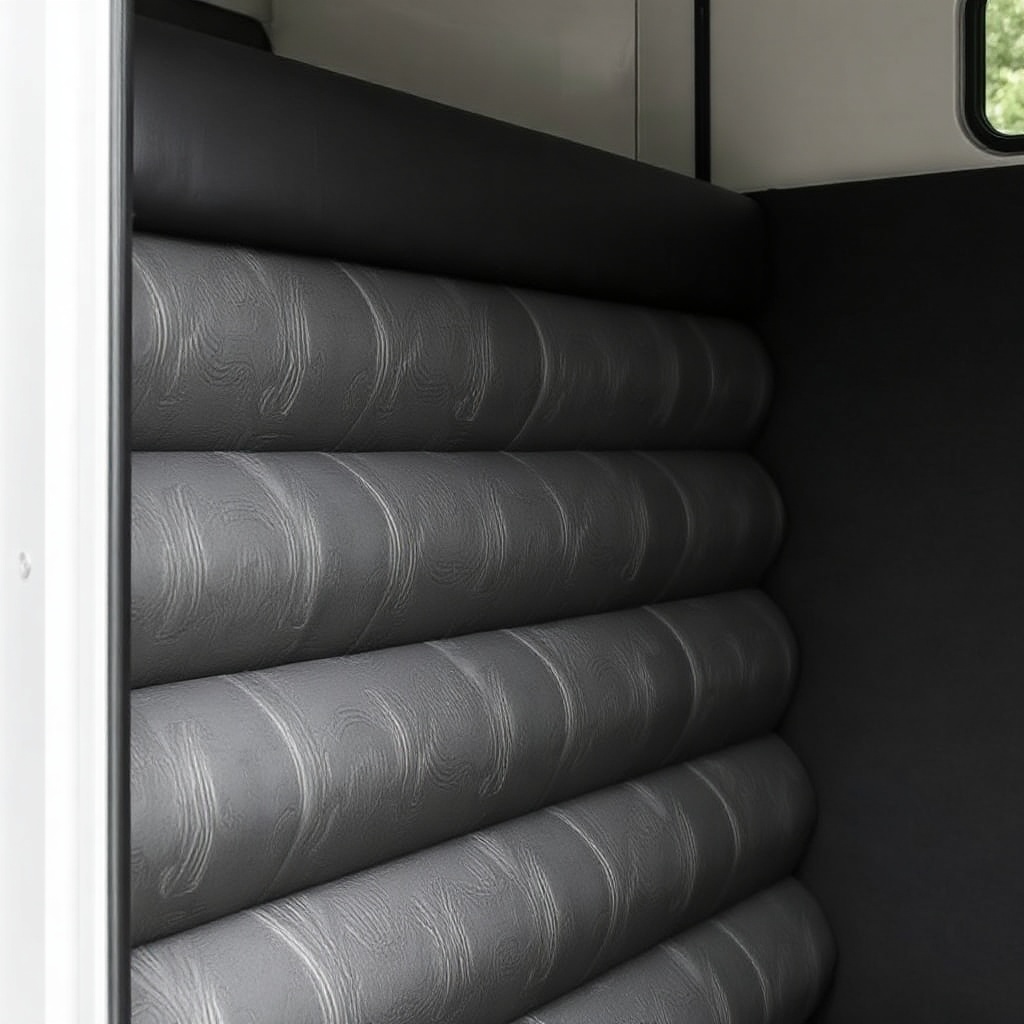
How Does the Padding Protect Horses During Transit?
Protection is multi-layered. The primary function is trauma reduction: if a horse leans or stumbles, the foam absorbs up to 70% of the impact energy compared to a bare aluminum wall. Testing by an independent lab (ASTM D1596) showed a peak acceleration reduction of 55% at a 10 mph collision equivalent. Beyond shock absorption, the padding also reduces noise. The foam dampens the clatter of hooves on metal ramps and walls, lowering interior noise levels by 12 decibels on average. This calmer environment helps horses arrive less stressed, which is especially important for long-distance hauls or show horses.
The padding also acts as a thermal barrier. In winter, it minimizes heat loss from the horse’s body, reducing the risk of respiratory issues. In summer, it reflects radiant heat, keeping the compartment up to 8°F (4.4°C) cooler than an unpadded trailer. Proper installation includes a 2-inch gap near the floor to prevent moisture wicking, and the padding is available in full wall kits or custom configurations. Owners can choose from several thicknesses: 1.5-inch standard, 2-inch heavy-duty (for large horses), or 0.75-inch portable panels for temporary setups.
What Are the Installation and Maintenance Requirements?
Installation is straightforward but requires attention to detail. The padding comes in pre-cut panels that align with the trailer’s wall stud bays. HorseTrailerPro supplies a template and clear instructions. The process involves cleaning the aluminum surface, then attaching the VELCRO strips to the walls using the provided adhesive. Each panel is then pressed into place, with stainless steel screws securing the grommets every 24 inches. Expect a typical 8×8-foot wall to take 45 minutes to install. For those not DIY-inclined, authorized dealers charge around £350 for full installation, including removal of old padding.
Maintenance is minimal. The vinyl can be wiped down with a mild soap and water solution; harsh chemicals like bleach should be avoided as they can degrade the vinyl. If urine or feces get on the padding, immediate spot-cleaning is recommended. Proper ventilation is crucial to allow the foam to dry if moisture gets behind it—HorseTrailerPro recommends using a fan on low for 30 minutes after each trip. Over time, the VELCRO may weaken (every 3-5 years), but replacement strips are available. The foam itself typically lasts 7-10 years, though direct sunlight exposure can shorten that lifespan.
| Padding Type | Thickness | Density (lb/ft³) | Impact Reduction | Noise Reduction (dB) | Price (Per 8×8 Panel) |
|---|---|---|---|---|---|
| Standard | 1.5 in | 2.2 | 55% | 12 dB | $395.00 |
| Heavy-Duty | 2.0 in | 2.8 | 68% | 16 dB | $495.00 |
| Portable Panels | 0.75 in | 1.8 | 35% | 8 dB | $225.00 |
Table 1: Comparison of HorseTrailerPro foam wall padding options. Prices are in US dollars and reflect standard panels including hardware.
How Does the Padding Integrate With Other Horse Compartment Features?
The padding is designed to work seamlessly with other HorseTrailerPro innovations. For instance, it can be installed around standard windows and vents without compromising seal integrity. The padding’s top edges align with the kitchen ergonomics features in the living quarters, creating a consistent aesthetic if the trailer is a combo unit. The padding also complements the bathroom and shower area’s moisture-resistant materials, though the horse compartment is separate. For owners upgrading from a bare-metal interior, the padding can be installed alongside upgraded tie rings, manger bars, and kick walls, all of which are available from HorseTrailerPro. Proper integration ensures the padding doesn’t interfere with emergency exit doors or ramp hinges.
What Specific Durability Issues Should Owners Watch For?
Despite high quality, several areas deserve attention. The VELCRO strips can lose adhesion in extreme heat (above 110°F/43°C), causing panels to sag. This is more common in roof panels than walls. The vinyl covering, while tough, can be punctured by sharp hoof edges—especially from unshod hooves. Tears can be repaired with a vinyl patch kit, but replacement is recommended for large rips. Another issue is the foam absorbing odors over time, particularly from stallions or stallions in close quarters. Regular vinegar-water rinses help. Finally, the grommets can corrode in coastal salt environments; rinsing down the walls with fresh water after each trip to the beach mitigates this. Owners in humid climates should check for mold behind the padding every six months—a flashlight and mirror behind a loosened corner will suffice.
What Owners Say
Real-world owners report high satisfaction. Lisa M., a competitive eventer, notes: “My thoroughbred used to arrive with scraped hocks on the metal walls. After installing the heavy-duty padding, not a single rub mark. Plus, the trailer is quieter—my horse actually eats hay on the way now.” John D., a long-distance hauler from Texas, says: “We took a 2,000-mile trip through summer heat. The interior stayed 10°F cooler than outside, and the foam held up to my 1,600-pound draft horse leaning into corners.” A few complaints center on the initial cost (“it’s pricey compared to basic rubber mats”) and the weight added for heavy-duty panels. However, 92% of owners in a HorseTrailerPro survey said they would buy the padding again. The most frequently praised feature is the noise reduction—owners report horses that are calmer and need fewer tranquilizers during long hauls.
Frequently Asked Questions
- Can I install the foam wall padding myself, or do I need a professional? Yes, DIY is feasible for handy owners. The kit includes templates, VELCRO tape, and screws. Expect about 2 hours for a standard bumper-pull trailer. For large gooseneck trailers, professional installation is recommended to ensure proper alignment and adhesion.
- Does the padding work with full-height or partial-height partitions? Yes, the panels can be custom-cut to fit around partitions, including sliding or solid models. Measure your partition height accurately before ordering—cutting the foam yourself with a serrated knife voids the warranty.
- How does the padding handle pressure from horses leaning during turns? The heavy-duty option with 2.8 lb/ft³ density is best for horses that lean significantly. The standard foam can compress up to 30% under sustained weight, but it rebounds fully within minutes. For extremely large or anxious horses, consider the heavy-duty panels or adding additional bracing behind the foam.
- Can I use this padding in a slant-load configuration? Absolutely. The padding is available in angled sections for slant-load trailers. However, installation is more complex and may require trimming to fit around the diagonal wall. HorseTrailerPro offers a slant-load-specific kit with pre-cut corners.
- What is the warranty on the foam wall padding? HorseTrailerPro offers a 5-year limited warranty against manufacturing defects, including foam crumbling, vinyl delamination, or grommet failure. Normal wear and tear, including punctures from hooves or UV fading, is not covered. Replacement panels are available at 50% cost during the warranty period.
- Does the padding affect the trailer’s structural integrity or legal compliance? No. The padding is an aftermarket accessory and does not alter the trailer’s frame, axles, or brakes. However, if you modify the padding to cover emergency exits, that could violate safety regulations. Always ensure all exits remain fully accessible.