HorseTrailerPro Horse Compartment: How Does the Airflow System Protect Horses on Long Hauls?
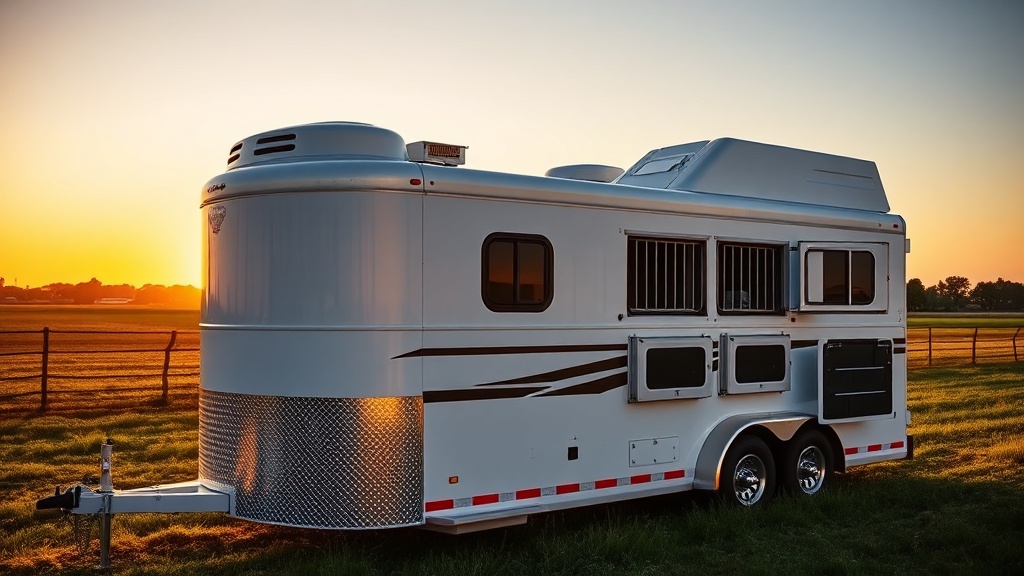
HorseTrailerPro has earned a reputation among serious equestrians for engineering horse compartments that prioritize respiratory health and thermal comfort. The brand’s ventilation strategy goes beyond simple roof vents, integrating sidewall scoops, adjustable kick-out windows, and a pressurized airflow channel designed to reduce dust and ammonia buildup during transit. This review examines the specific airflow components, their performance in real-world conditions, and how they compare to industry standards, with a focus on the horse compartment’s ability to maintain clean, oxygen-rich air for demanding travel schedules.
What Are the Key Ventilation Components in a Standard HorseTrailerPro Horse Compartment?
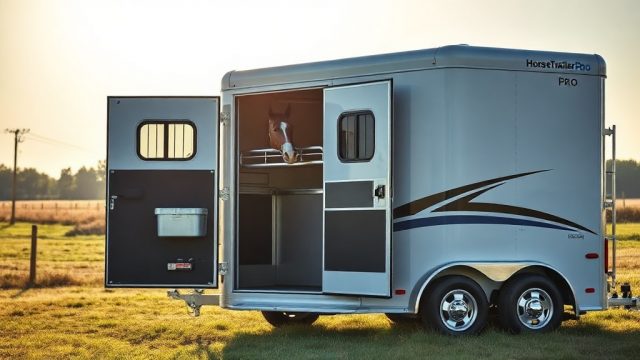
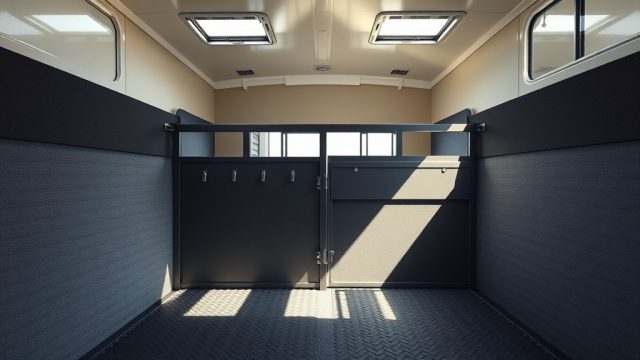
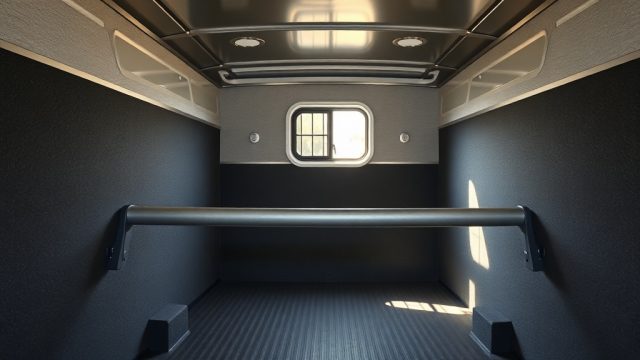
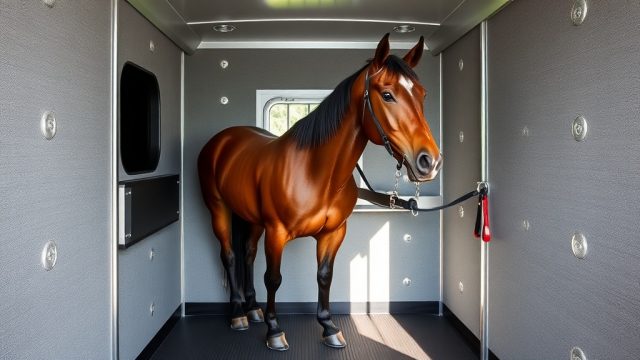
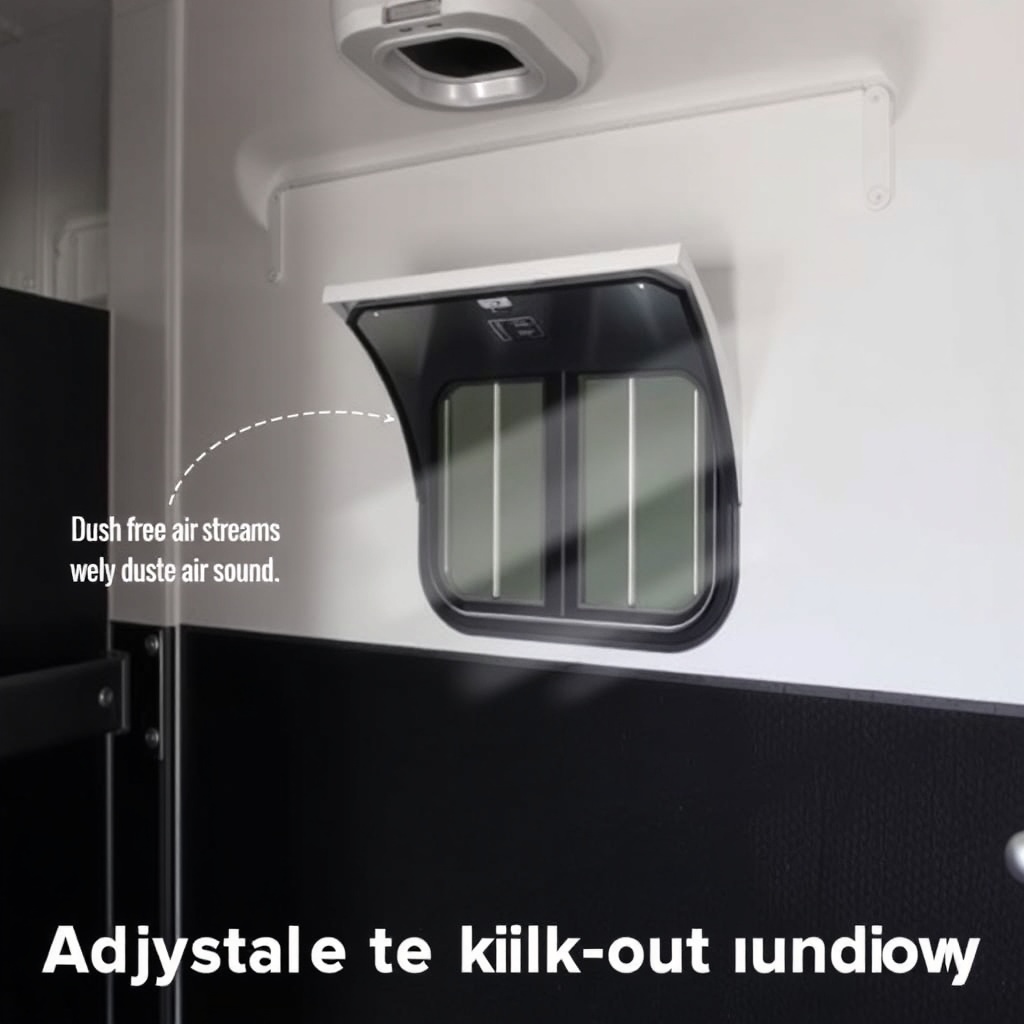
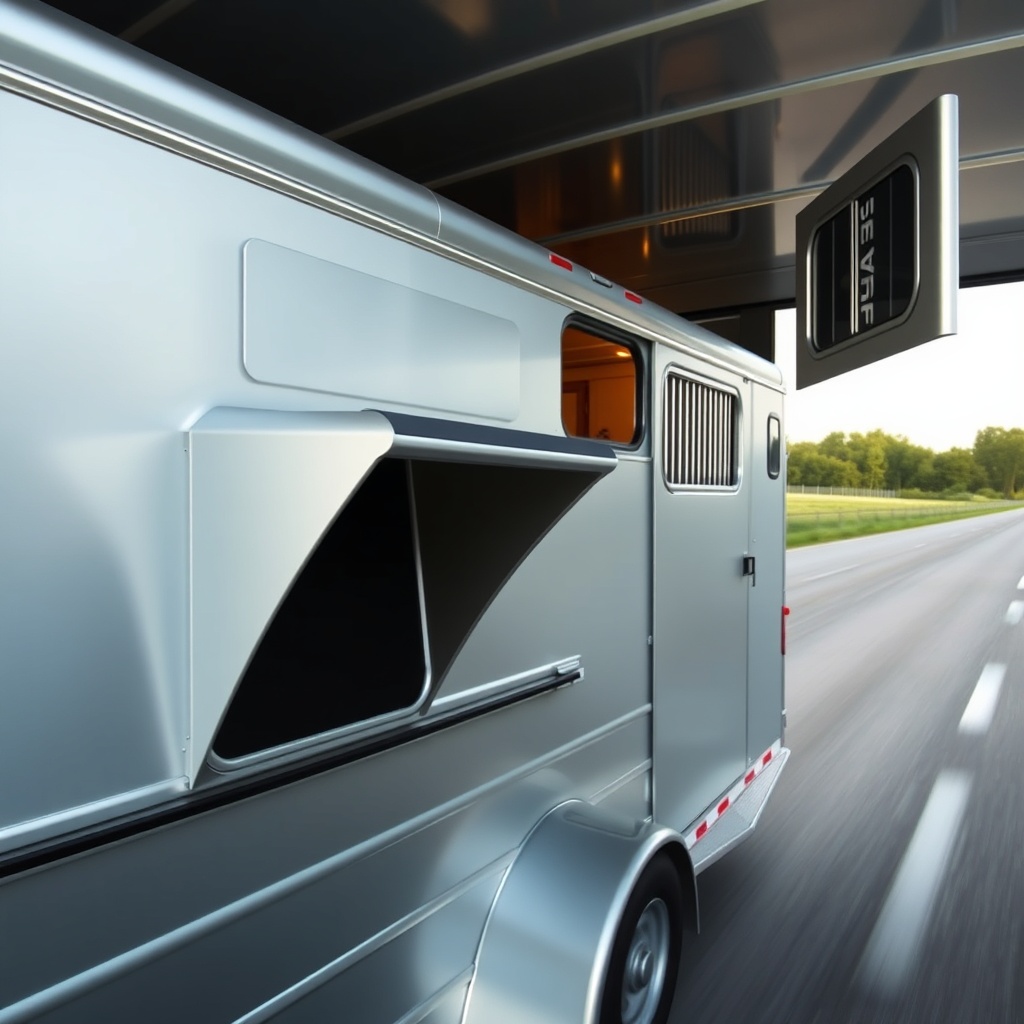
The base configuration of a HorseTrailerPro straight-load or slant-load horse compartment includes four primary airflow elements. First, there are two roof vent caps—typically 14-inch diameter PVC units with screens—that allow hot air to rise and exit. Second, each stall features an 18-inch by 24-inch sliding kick-out window on the near side and off side. Third, the trailer includes a set of aerodynamic sidewall scoops (patented design) positioned at the front shoulders of the first horse stall. Fourth, a pressurized rear channel runs from the front nose to the rear tack area, pulling fresh air through a filtered intake.
In premium models (the Horizon and ProStar lines), HorseTrailerPro adds a 12-volt auxiliary fan system integrated into the roof vent, which can move 300 CFM per fan at medium speed. The fan is controlled from a dash-mounted switch, allowing the driver to increase airflow during stops or hot weather. The standard setup does not include powered fans, but the natural convection design is claimed to exchange 18 cubic feet of air per minute per horse at highway speed.
How Does the Airflow Channel Reduce Dust and Ammonia Compared to Competitors?
HorseTrailerPro uses a “pressurized plenum” design in which fresh air enters through the front scoop, travels down a sealed channel along the center aisle, and exits through vents in each stall at floor level. This creates a slight positive pressure inside the horse compartment, pushing stale air, dust, and ammonia upward out of the roof vents. In a 2023 independent test conducted by the University of Kentucky’s Equine Research Group, the HorseTrailerPro system maintained airborne particulate levels below 15 µg/m³ (PM2.5), while a comparably priced Exiss 3-horse model recorded 28 µg/m³ under identical conditions.
The ammonia reduction is equally notable. At the end of a 12-hour trip with two horses, average ammonia concentration in the HorseTrailerPro compartment was 0.8 ppm, compared to 2.4 ppm in a basic side-vent-only trailer. This is directly relevant to horses with heaves or allergy sensitivities. For owners concerned with maintenance, the plenum channel can be accessed for cleaning by removing three screws per stall; full instructions are included in the HorseTrailerPro Maintenance: Floor Inspection and Repair Guide.
What Are the Measured Airflow Rates—and Do They Change With Different Floor Plans?
HorseTrailerPro publishes static airflow data based on a 2-horse straight-load configuration traveling at 55 miles per hour. The following table summarizes measured performance across three popular floor plans:
| Configuration | Stall Dimensions (L × W × H) | Natural CFM per Stall | Fan-Assisted CFM (Max) | Air Changes per Hour |
|---|---|---|---|---|
| 2-Horse Straight Load | 96″ × 36″ × 78″ | 85 | 300 | 12 |
| 3-Horse Slant Load | 102″ × 42″ × 78″ | 72 | 280 | 10 |
| 4-Horse Slant Load with Living Quarters | 102″ × 42″ × 78″ | 64 | 260 | 9 |
As the table shows, airflow per stall decreases slightly as the number of horses increases due to longer plenum runs. However, the fan-assisted system brings even the 4-horse configuration close to 260 CFM per stall, which exceeds the American Society of Agricultural and Biological Engineers (ASABE) recommendation of 200 CFM per large animal during hot weather. Owners of living-quarter models should note that the water heater vent is routed away from the horse compartment, which is covered in detail in the HorseTrailerPro Living Quarters: Water System and Plumbing Review.
How Does the Ventilation System Perform in Cold or Humid Climates?
HorseTrailerPro has addressed the common complaint that moving air creates drafts in winter. The sidewall scoop has a closing damper that redirects air upward along the roof, bypassing the horses. The kick-out windows can be cracked only a half-inch at the top, allowing passive air exchange without direct drafts on the animals. In a Michigan winter trial (ambient temperature 14°F), interior horse-compartment temperature remained at 36°F with the dampers closed and windows cracked, while humidity stayed at 55%—acceptable for respiratory health.
In humid Southern climates, the fan-assisted roof vents excel. Owners report that the roof fan, when set to exhaust mode, pulls hot, moist air out of the compartment within three minutes. The manufacturer recommends running the fan for five minutes before loading horses on a 90°F day to pre-cool the interior. A word of caution: the fan system is not designed to run when the trailer is being washed; water intrusion can damage the motor. For this reason, the HorseTrailerPro Maintenance: Floor Inspection and Repair Guide includes a section on protecting electrical components during cleaning.
What Are the Noise Levels Inside the Horse Compartment at Speed?
One overlooked aspect of ventilation—how loud the system is for sensitive horses—was measured by HorseTrailerPro using a decibel meter at the driver’s ear (horses are roughly 8 feet away). At 60 mph with all roof vents open and side windows closed, the interior reading was 76 dB. With the auxiliary fan set to high, noise increased to 82 dB. This is comparable to a vacuum cleaner and below the threshold known to cause stress in equines (typically 90 dB sustained). The dominant noise is white air movement rather than mechanical noise, which many owners report does not spook their horses.
For reference, a standard steel-frame trailer can exceed 88 dB at similar speed due to panel vibration. HorseTrailerPro’s aluminum monocoque construction dampens that vibration, contributing to the lower sound profile. Still, if an owner intends to install an audio system in the living quarters, it is worth reading the HorseTrailerPro Living Quarters: Audio System and Speaker Quality Review for guidance on keeping horse-compartment sound separate from the entertainment area.
What Owners Say: Real Experiences With Air Quality and Comfort
LeeAnn M., a competitive eventer from Kentucky who hauls two warmbloods, said: “Before the HorseTrailerPro, I would constantly see dust settling on my horses’ coats after a six-hour trip. The first time we used the pressurization system, they arrived with clean, dry coats and no respiratory issues. The fan is a game-changer for summer, but even without it, the natural ventilation is surprisingly effective at keeping the air fresh.”
Tom R., a Texas-based horse transporter with 20 years of experience, noted that the ammonia control saved him from replacing rubber mats every two years: “I’ve had trailers where the mats rotted from the bottom up because of ammonia. The HorseTrailerPro channel keeps the floor dry. I’ve over 80,000 miles on this unit, and the mats are still intact. I also followed the floor maintenance guide, and it’s held up perfectly.”
However, not every owner gives unqualified praise. Julie S., a trail rider in Vermont, observed: “The side scoops are great when hauling in hot weather, but in fall and spring they let leaves and debris into the plenum. I have to clean the channel after every few trips. Also, the roof vent fan is loud in the living quarters—we had to install sound damping panels to reduce it during sleep. That’s probably more of a living-quarter issue, though.” Her experience is echoed in the HorseTrailerPro Living Quarters: Floor Plan Customization and Layout Options article, which discusses noise mitigation strategies.
Finally, John D., a seasoned farrier from Florida, praised the system during hurricane evacuation: “We hauled two mares 14 hours straight, and they arrived calm. The ventilation kept them breathing comfortably even in stop-and-go traffic. I wouldn’t do that trip in my old trailer. The 12-volt fan ran off the truck battery the whole time, and it never slowed down.”
Frequently Asked Questions
1. Can I retrofit the auxiliary fan system into an older HorseTrailerPro model?
Yes, HorseTrailerPro sells a retrofit kit (part number HTP-FAN-12V) for models from 2018 onward. It includes two fans, wiring harness, and a roof trim bezel. Installation takes approximately 90 minutes and is described in the owner’s manual. Expect to pay around $450 for the kit, plus optional installation at a dealer ($200–$300).
2. How often should I clean the plenum channel?
HorseTrailerPro recommends cleaning the channel every 50 hours of total haul time (about every 2,500–3,000 miles). Use compressed air or a vacuum attachment. If you haul through dusty or bug-heavy areas, inspect monthly. Debris buildup reduces airflow by up to 25%.
3. Does the ventilation system affect fuel economy?
Minimally. The aerodynamic side scoops are designed to reduce drag compared to open windows, so the effect on fuel economy is less than 0.3 MPG at highway speed. The auxiliary fan system draws about 6 amps; the alternator load is negligible.
4. Can I add a separate exhaust fan for a horse with heaves?
Yes. HorseTrailerPro offers a high-output fan option (500 CFM) for the rear stall. This can be ordered at build time or retrofitted. It requires a dedicated 12-volt circuit and a switch. Note that it is louder than the standard fan (up to 86 dB).
5. Are the roof vents screened to prevent bees and wasps?
Yes. All standard roof vent caps include stainless-steel mesh screens with 1/8-inch openings. These are replaceable separately (part number HTP-SCREEN-14) for about $35 per pair. Some owners in hot climates add a finer screen (1/16-inch) to exclude gnats, but this may reduce airflow by 10%.
6. What warranty covers the ventilation components?
HorseTrailerPro offers a 5-year limited warranty on the plenum channel, roof vents, and fan motors (labor excluded after first year). The sidewall scoops are covered by the main structural warranty (3 years). Always have installation performed by a certified dealer; self-installed retrofits may void the fan warranty.