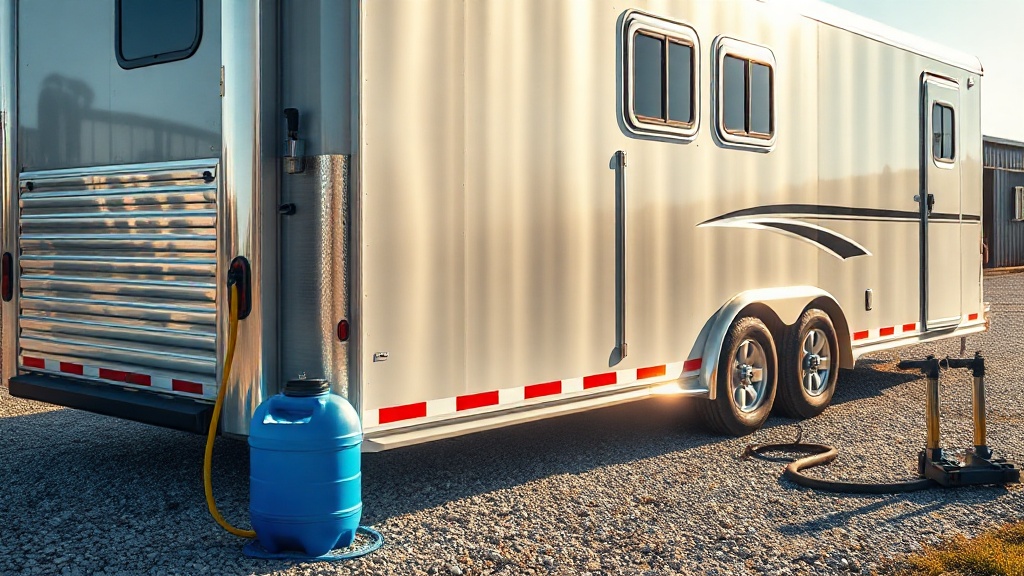
HorseTrailerPro living quarters are designed to offer comfort on the road, but the water system and plumbing require regular attention to prevent costly repairs. This review focuses on maintenance and care for the freshwater tank, greywater tank, water heater, pump, and fixtures found in HorseTrailerPro models. Understanding these components helps owners keep their trailer functional for years of reliable use.
What Components Make Up the Water System in HorseTrailerPro Living Quarters?
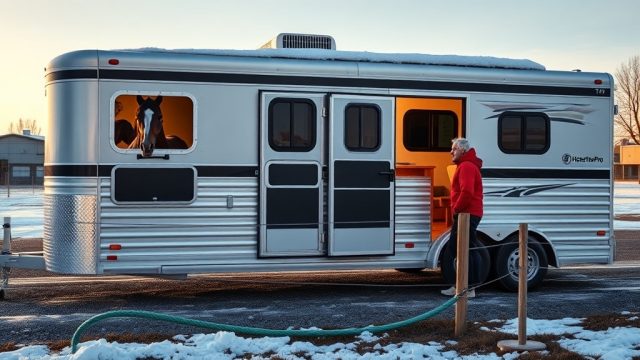
The water system in a HorseTrailerPro living quarters model typically includes a freshwater tank (20-40 gallon capacity), a greywater tank (15-30 gallon capacity), a 12-volt demand water pump, a water heater (either propane or electric), and a network of PEX tubing. The freshwater tank sits beneath the trailer floor or in a dedicated compartment, supplying water to the kitchen sink, bathroom sink, shower, and toilet. The greywater tank collects used water from sinks and showers, while a separate blackwater tank handles toilet waste. A key maintenance point is the water pump, which operates on a pressure switch to provide consistent flow.
How Should Owners Inspect and Maintain the Freshwater Tank?
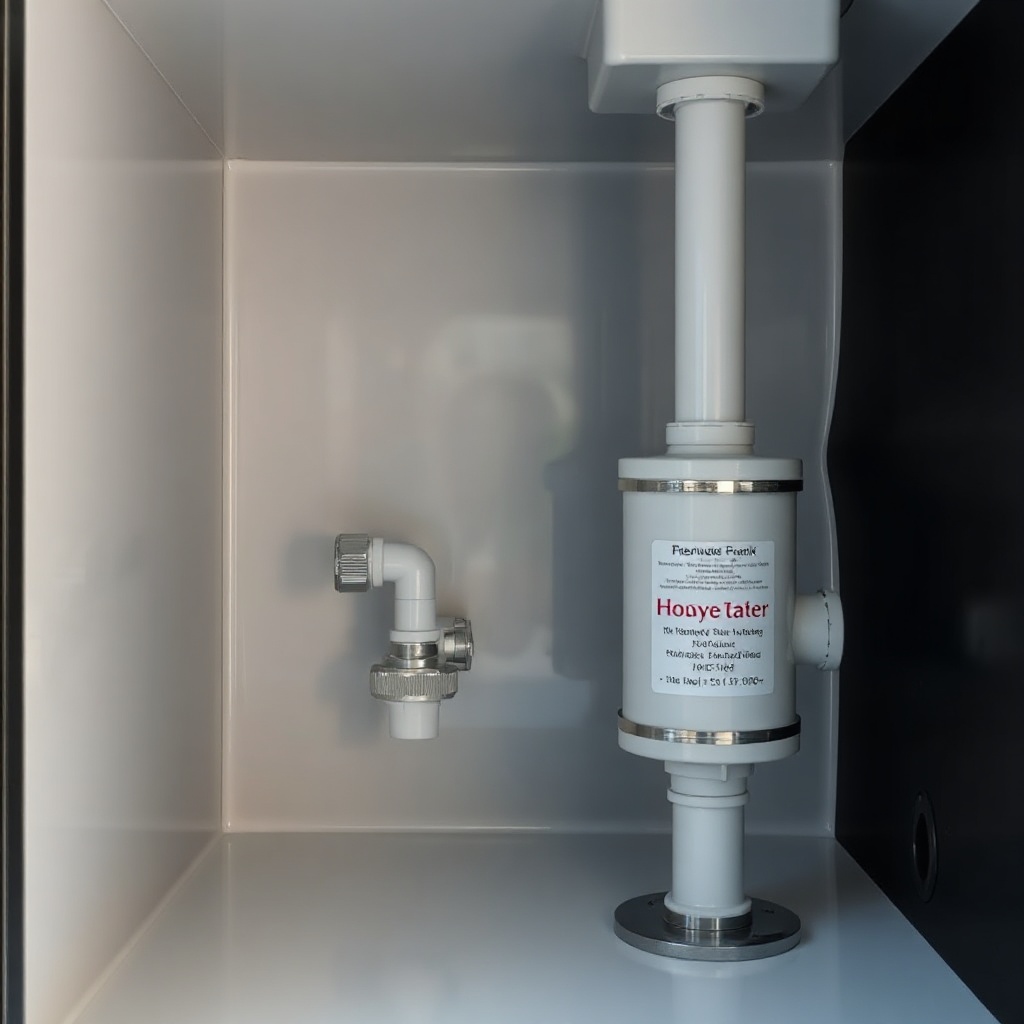
Regular inspection of the freshwater tank is critical to avoid contamination and leaks. Owners should check the tank for cracks or deformation at least twice per season. Sanitizing the tank annually with a diluted bleach solution (one tablespoon of bleach per gallon of water) helps prevent bacteria buildup. Drain the tank completely after each trip if the trailer will sit unused for more than two weeks. The main drain valve, located under the trailer, should be opened and closed slowly to prevent debris from clogging it. For winterizing, use non-toxic antifreeze approved for RV systems, filling the tank and running it through all fixtures until pink fluid appears.
For more on preventing structural issues that can affect the undercarriage, see our HorseTrailerPro Construction: Aluminum Frame vs Steel Frame Durability guide.
What Routine Care Does the Water Heater Need?
HorseTrailerPro living quarters typically feature a 6- or 10-gallon water heater, mostly from Atwood or Suburban brands. Annual maintenance includes flushing the tank to remove sediment. Turn off the heater and let it cool, then remove the anode rod (if equipped) to inspect for corrosion. Replace the anode rod when it is more than 60% consumed, which usually occurs every two to three years. Check the pressure relief valve by lifting the lever briefly; water should discharge freely. For electric models, inspect the heating element for scale buildup. Winterizing requires bypassing the heater to avoid damage from freezing water, as explained in many HorseTrailerPro owner manuals.
How to Prevent and Address Leaks in PEX Plumbing?
PEX tubing is durable but can develop leaks at connection points, especially under sinks or near the water pump. Owners should visually inspect all accessible plumbing lines every three months. Look for signs of moisture, staining, or swelling on surrounding wood. Tighten loose crimp rings with a PEX crimp tool, but avoid overtightening. For pinhole leaks, a PEX repair coupling can be installed after cutting out the damaged section. HorseTrailerPro uses standard 1/2-inch PEX, making replacement parts easy to find. Keep a spare PEX crimp ring kit and a few feet of tubing onboard for emergency repairs. If the leak is behind walls, consider hiring a professional to avoid damaging interior panels.
For floor-related water damage risks, read our HorseTrailerPro Maintenance: Floor Inspection and Repair Guide.
What Specifications Apply to the Water System Components?
The table below lists typical specifications for HorseTrailerPro living quarters water systems as of recent model years. Values can vary based on floor plan and customization.
| Component | Specification | Common Issue | Maintenance Interval |
|---|---|---|---|
| Freshwater Tank | 20–40 gallons | Cracks from freezing | Inspect twice a season |
| Greywater Tank | 15–30 gallons | Clogs from hair/grease | Flush after every trip |
| Water Pump | 3–5 GPM (12V) | Air lock or worn diaphragm | Check annually |
| Water Heater | 6–10 gallons | Sediment buildup | Flush annually; replace anode rod every 2–3 years |
| PEX Tubing | 1/2 inch | Leaks at crimp joints | Visual check every 3 months |
| Shower Head | 1.5–2.0 GPM | Low flow from hard water | Clean aerator annually |
How to Properly Winterize and Dewinterize the Water System?
Winterizing is essential in climates where temperatures drop below freezing. Start by draining the freshwater and greywater tanks completely. Open all faucets and the shower valve to release remaining water. Bypass the water heater using the built-in valves to prevent antifreeze from entering it. Pour 2–3 gallons of RV antifreeze (non-toxic, propylene glycol-based) into the freshwater tank or directly into the pump winterizing port. Turn on the pump and open each fixture (hot and cold) until pink fluid flows. Flush the toilet until pink. Finally, remove and store the water filter cartridge, as it can crack. For dewinterizing, flush the system with fresh water by running each fixture for 2-3 minutes, then run a sanitizing cycle with a bleach solution to remove any antifreeze aftertaste. Check for leaks after pressurizing the system.
What Owners Say About the Water System in HorseTrailerPro Trailers
Owners of HorseTrailerPro living quarters generally appreciate the simplicity of the water system layout, noting that the PEX tubing is easy to repair with basic tools. Many praise the 12-volt pump for consistent pressure during dry camping, though some report noise from the pump if not properly isolated. A common complaint involves the freshwater tank drain valve, which can be difficult to access on certain floor plans, particularly when the trailer is fully loaded on uneven ground. Several owners recommend adding an aftermarket water filter at the inlet to extend pump and faucet life, especially in areas with hard water. Some note that the water heater’s anode rod requires more frequent replacement than expected—about every 18 months for heavy use—but replacement kits are inexpensive (around $15–$25 USD). Overall, maintenance is rated as moderate, with most tasks doable by a competent owner. For those customizing layouts, our HorseTrailerPro Living Quarters: Floor Plan Customization and Layout Options article covers integrating plumbing into new designs.
Frequently Asked Questions About HorseTrailerPro Water Systems
- What size freshwater tank is standard in HorseTrailerPro living quarters?
Standard freshwater tanks range from 20 to 40 gallons, depending on the floor plan. Custom builds may offer larger tanks up to 50 gallons. - How often should I replace the water pump in my HorseTrailerPro?
A good-quality pump lasts 5–7 years with proper maintenance. Replace it if it runs continuously without cycling, struggles to maintain pressure, or shows signs of leaking. - Can I use standard household water filters in my HorseTrailerPro?
Yes, most HorseTrailerPro models accept standard 10-inch inline water filter cartridges. However, check the housing size as some may require a specific adapter ring. - What type of antifreeze should I use for winterizing?
Use only RV-specific, non-toxic propylene glycol antifreeze. Do not use automotive antifreeze (ethylene glycol), which is toxic and damages plumbing seals. - How do I fix a slow drain in the greywater system?
Slow drains are often due to hair or grease buildup. Use a plastic drain snake or a mixture of baking soda and vinegar, followed by hot water. Avoid chemical drain cleaners as they can damage seals and PEX tubing. - Is it normal for the water heater to make a rumbling noise?
A rumbling sound typically indicates sediment buildup inside the tank. Flush the heater according to the manual and inspect the anode rod. If the noise persists after cleaning, the heating element may need replacement.
For related reviews on other systems, check HorseTrailerPro Tack Storage: Saddle Rack Load Capacity Review and HorseTrailerPro Living Quarters: Audio System and Speaker Quality Review. For safety maintenance, see HorseTrailerPro Safety & Security: Bearing and Axle Maintenance.