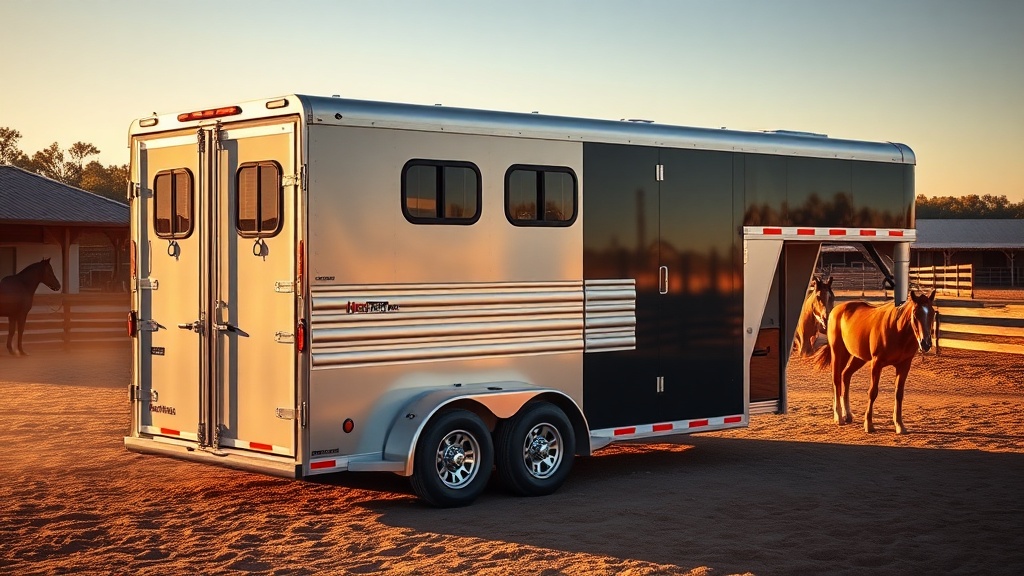
Why Choose Between Aluminum and Steel for HorseTrailerPro Durability?
When investing in a HorseTrailerPro, the frame material defines long-term durability, maintenance costs, and resale value. Aluminum frames offer corrosion resistance and lighter weight, while steel frames provide superior strength at a lower initial cost. This article examines construction durability for horse owners who need a trailer that withstands daily use, rough roads, and varying climates.
How Does Aluminum Frame Construction Affect Durability?
Aluminum frames in HorseTrailerPro models typically use 6061-T6 aircraft-grade alloy, known for high strength-to-weight ratio. This material resists rust, even in coastal or humid environments, and weighs approximately 30% less than equivalent steel structures. The reduced weight improves towing stability and fuel economy, but aluminum can suffer from stress cracking at weld joints if not properly engineered.
Key durability factors for aluminum frames:
- Corrosion resistance eliminates rust-related structural failure
- Weight savings reduce wear on towing vehicle suspension and brakes
- Lifespan often exceeds 20 years with proper maintenance
- Repair costs are higher due to specialized welding requirements
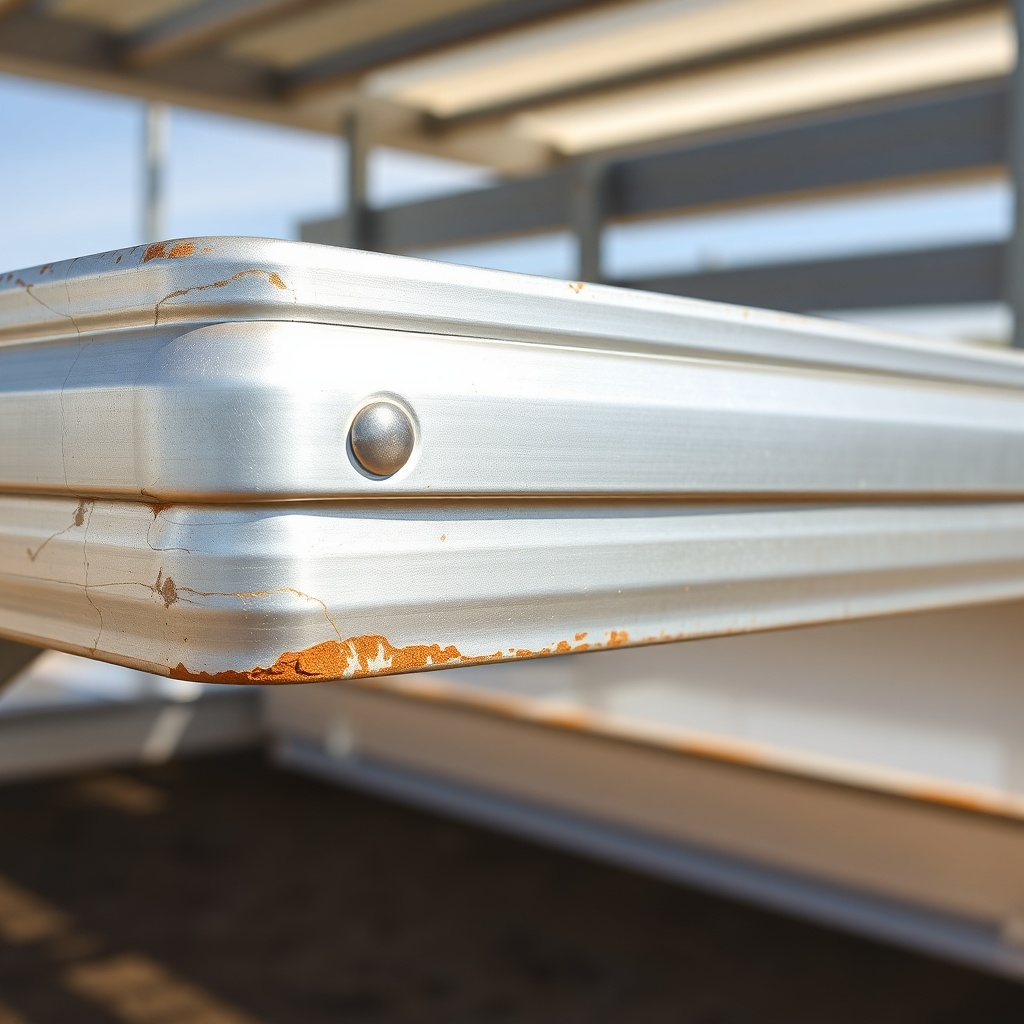
What Makes Steel Frames a Durable Choice for HorseTrailerPro?
Steel frames, typically using Grade 50 high-strength low-alloy (HSLA) steel, provide unmatched structural rigidity. HorseTrailerPro models with steel frames can withstand heavier payloads and more aggressive off-road use. The main drawback is susceptibility to rust, which requires regular inspections and protective coatings. In colder climates, salt on roads accelerates corrosion.
Steel durability considerations:
- Higher tensile strength for heavy loads (up to 10,000 lbs GVWR)
- More forgiving of minor impacts and road debris
- Lower initial cost (typically $3,000–$5,000 less than aluminum)
- Requires annual rust-proofing and undercarriage care
- Lifespan of 15–18 years with diligent maintenance
Which Frame Material Offers Better Resistance to Climate and Road Conditions?
Climate plays a major role in frame longevity. In regions with high humidity, frequent rain, or coastal salt air, aluminum frames outperform steel due to zero rust. For example, a HorseTrailerPro used in Florida or the Pacific Northwest will benefit from aluminum’s corrosion resistance. Conversely, steel frames excel in dry, arid climates like Arizona or Texas, where rust is less of a threat and steel’s strength offers better value.
Road conditions also matter: steel handles potholes and uneven terrain better due to its elasticity, while aluminum can develop hairline cracks from sustained vibration. Proper brake controller setup helps mitigate stress on both frame types during towing.
| Factor | Aluminum Frame | Steel Frame |
|---|---|---|
| Typical weight (2-horse GN) | 2,800 lbs | 3,600 lbs |
| Corrosion resistance | Excellent (no rust) | Moderate (requires coating) |
| Initial cost (average) | $28,000–$45,000 | $22,000–$38,000 |
| Typical lifespan | 20+ years | 15–18 years |
| Weld repair complexity | High (specialized shops) | Low (standard shops) |
| Payload capacity (GVWR) | 8,000–10,000 lbs | 8,500–12,000 lbs |
| Vibration damping | Moderate | High |
Does Metal Fatigue Affect Long-Term Durability in HorseTrailerPro?
Metal fatigue is a concern for repeated towing cycles. Aluminum frames experience fatigue more quickly than steel under cyclic loading, especially when hauling near maximum capacity. HorseTrailerPro engineers counteract this with thicker gauge aluminum (0.125-inch vs. 0.100-inch for competitors) and reinforced weld zones. Steel frames, due to higher elastic modulus, resist deflection and cracking for longer periods.
Owner reports indicate that HorseTrailerPro aluminum frames designed for living quarters generator integration have additional bracing, reducing fatigue risk. Steel frames in similar configurations show less wear over 100,000 miles.
What Owners Say About Frame Durability
Owners of HorseTrailerPro trailers consistently report satisfaction with both materials. John from Texas, who owns a 2019 steel frame model, notes: “After 5 years of heavy use hauling three horses weekly, the frame is solid. I just spray the undercarriage with rust inhibitor each spring.” Sarah from Oregon, with a 2021 aluminum frame version, states: “No rust spots at all after four Pacific Northwest winters. worth the extra investment.”
Common themes from owners include:
- Aluminum owners value low maintenance and cleanliness
- Steel owners appreciate lower upfront costs and easier repair options
- Both groups recommend regular inspections of welds and stress points
- Several mention that bearing and axle maintenance is equally critical for frame longevity
Frequently Asked Questions
How much does a HorseTrailerPro frame weigh?
Aluminum frames weigh 2,200–3,000 lbs depending on model, while steel frames range from 3,000–4,200 lbs. The weight difference affects tongue load and towing vehicle requirements.
Can I convert a HorseTrailerPro from steel to aluminum?
No. Frames are integral to the trailer structure. Buying new is the only option if material change is desired. However, some owners sell their steel model and upgrade to aluminum.
Does HorseTrailerPro offer a warranty on frames?
Yes. Standard warranty is 5 years for steel and 10 years for aluminum against manufacturing defects. Corrosion is covered only for aluminum frames under normal use.
How often should I inspect the frame for damage?
At least every 6 months or 5,000 miles. Look for cracks, rust spots, flaking paint, and deformed metal. For steel, check around fenders and hitch area. For aluminum, focus on weld joints.
Is aluminum frame worth the extra cost for durability?
If you live in a humid or coastal area, yes. Aluminum’s rust resistance often saves more in maintenance over 10 years than the $5,000–$7,000 premium. In dry climates, steel offers better value.
What should I do if I find rust on my steel frame?
Immediately sand the area, apply rust converter, then prime and paint with automotive-grade coating. For severe rust, consult a professional welder. Compare safety features to ensure structural integrity.
For owners comparing living quarters, see our detailed comparison between HorseTrailerPro and Exiss models. Also explore bed configuration options for sleeping comfort.