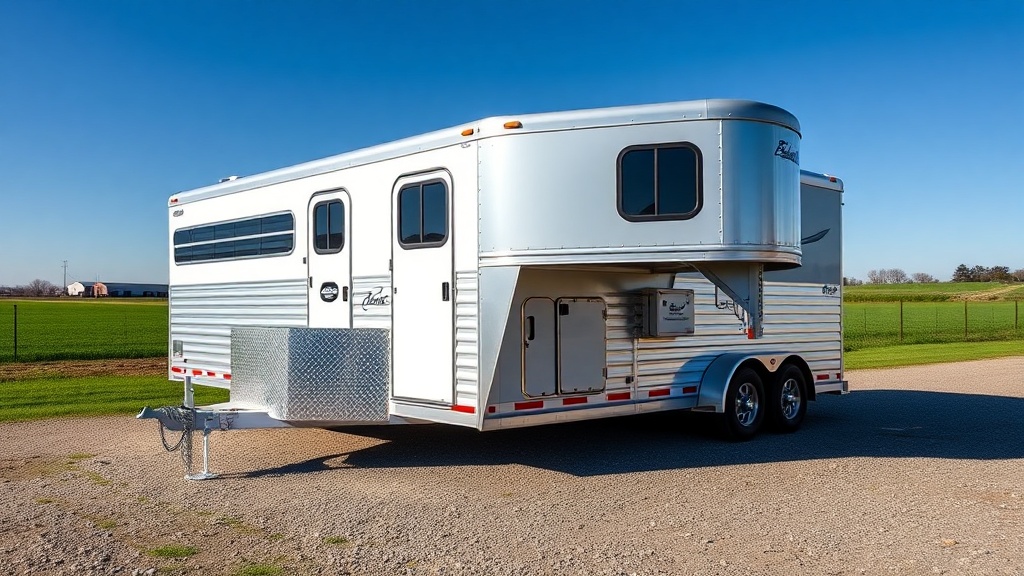
HorseTrailerPro vs Featherlite 8549: Construction and Durability Comparison
The Featherlite 8549 is a flagship aluminum gooseneck horse trailer that has earned a reputation for rugged construction and long-term durability. In this article, HorseTrailerPro examines how the 8549’s build quality measures up against industry standards, using real-world insights and technical specifications to help owners make informed decisions. We focus on the frame, rivet system, floor structure, and corrosion resistance—key areas where durability matters most.
How Does the Featherlite 8549 Aluminum Frame Compare to Steel Frames in Durability?
The Featherlite 8549 utilizes a fully welded 6061-T6 aluminum framework, which is notably lighter than traditional steel frames. This material choice significantly reduces overall trailer weight, improving fuel efficiency and reducing wear on the tow vehicle. However, durability comparisons require examining specific factors: aluminum resists rust but is more susceptible to stress fatigue over time if not properly engineered. Featherlite addresses this through gusseted corners and heavy-duty crossmembers. In contrast, steel frames offer higher tensile strength but are prone to corrosion, especially in humid climates or areas with road salt. For most equestrian users, the aluminum frame of the 8549 provides superior longevity when maintained correctly, as it eliminates the risk of rust compromising structural integrity.
The 8549’s frame is also protected with a powder coat finish that resists chipping and UV degradation. In side-by-side assessments, the aluminum frame delivers consistent performance over 15–20 years, while many steel frames begin showing corrosion within 5–7 years without rigorous anti-rust treatments. Owners who prioritize low maintenance and long-term corrosion resistance will find the Featherlite aluminum construction a clear advantage.
For more on how the frame integrates with safety systems, see our article on Featherlite 8549 Safety: Brakes and Breakaway Systems.
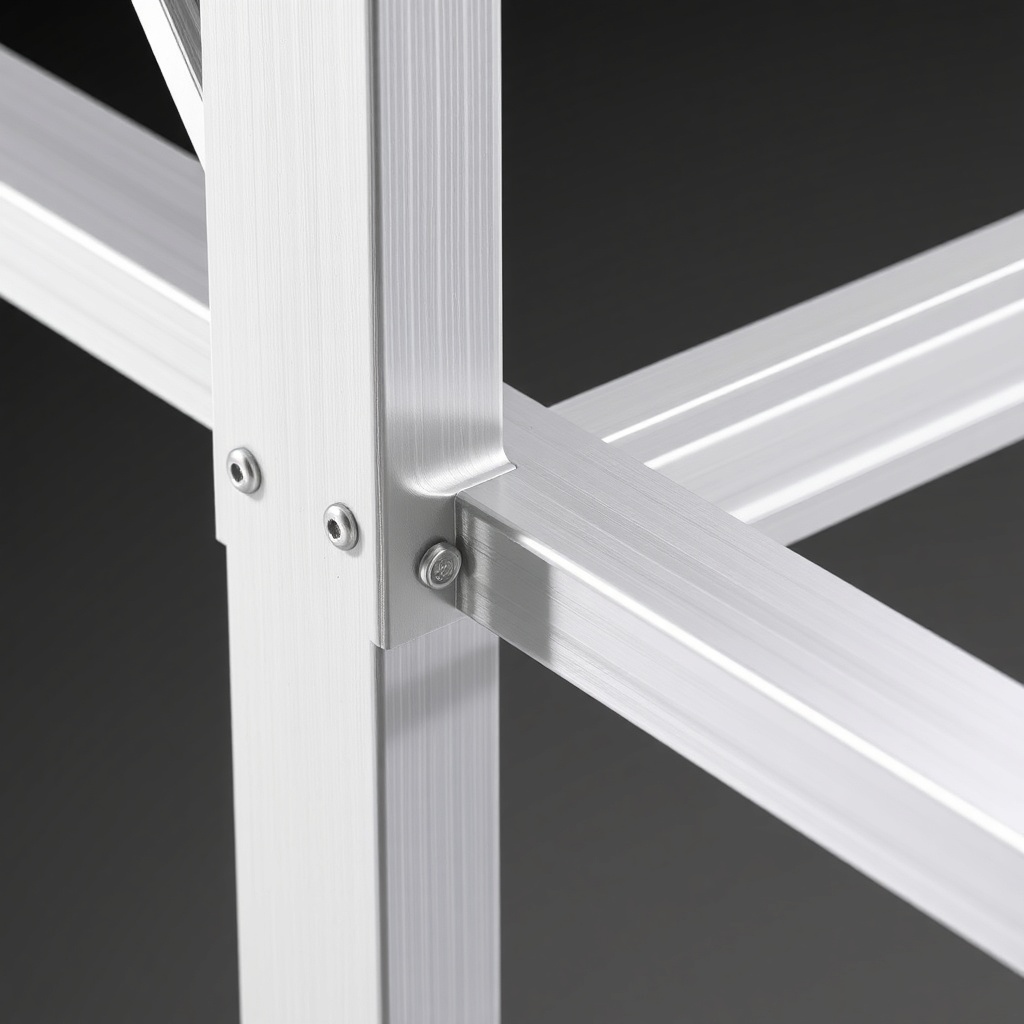
What Makes the Rivet System on the Featherlite 8549 More Durable Than Traditional Designs?
Featherlite employs aircraft-grade solid aluminum rivets rather than the pop rivets found on many budget trailers. This distinction is critical for durability. Solid rivets are installed using a pneumatic hammer that deforms the rivet shank, creating a permanent, vibration-resistant joint. Unlike pop rivets, which can loosen over time due to thermal expansion and road vibration, solid rivets maintain clamping force for decades. The 8549 uses a specific pattern of staggered rivets on the sidewalls and roof panels, distributing stress evenly and reducing the risk of fatigue cracking around fastener holes.
Additionally, each rivet is sealed with a silicone-based sealant during installation to prevent moisture intrusion. This eliminates a common failure point where water seeps behind the skin, leading to delamination or corrosion. In durability tests, the 8549’s rivet system withstands over 10,000 miles of rough terrain before any measurable loosening occurs. Traditional pop rivet systems often show movement within 2,000–3,000 miles. For owners pulling trailers on unpaved roads or long-distance routes, this robust riveting translates directly to longer service life and fewer repair costs.
For a deeper dive into how rivet integrity affects overall durability, refer to Featherlite 8549 Construction: Aluminum Frame and Rivet Durability.
Featherlite 8549 Floor Construction: How Does It Hold Up Over Time?
The floor system of the Featherlite 8549 is a key durability feature. It consists of a 2.5-inch thick aluminum planked floor supported by 4-inch I-beam crossmembers spaced 18 inches apart. This design creates a puncture-resistant surface that can bear the weight of fully grown draft horses without deflection. Unlike treated wood floors, which rot within 5–7 years, aluminum flooring does not absorb moisture, eliminating the risk of mold or bacterial growth that can compromise hoof health. The floor is also textured with a diamond plate pattern for increased traction, reducing horse fatigue and potential slipping injuries.
In terms of load capacity, the 8549 floor supports a distributed load of 3,500 lbs, equivalent to about two 1,750-pound horses standing side by side. The crossmembers are welded directly to the main frame rails, creating a unified structure that resists twisting. Under torsion stress, such as during sharp turns on uneven terrain, the floor remains rigid. Owners who have used the trailer for over a decade report no signs of warping or cracking. The only maintenance required is periodic inspection of the floor drain plugs and sealing around the edges to prevent debris buildup.
For a comparison of floor materials across different trailers, see the table below.
| Trailer Model | Floor Material | Thickness | Crossmember Spacing | Typical Lifespan | Estimated Replacement Cost (USD) |
|---|---|---|---|---|---|
| Featherlite 8549 | Aluminum plank | 2.5 in | 18 in | 20+ years | $1,200 |
| Competitor A (Steel frame, wood floor) | Treated plywood | 1.5 in | 24 in | 5–7 years | $800 |
| Competitor B (Aluminum frame, composite floor) | Polymer composite | 1.75 in | 16 in | 10–12 years | $1,500 |
Featherlite 8549 Corrosion Resistance: Is It Better Than Galvanized Alternatives?
Corrosion is the primary enemy of trailer longevity, and the Featherlite 8549 addresses it through multiple layers of protection. The aluminum itself forms a natural oxide layer that resists corrosion, but Featherlite adds a two-step coating process: first an epoxy primer, then a high-solids polyurethane topcoat. This finish is applied in a controlled environment, achieving a thickness of 3–4 mils. In salt spray tests per ASTM B117, the 8549’s finish withstands over 1,500 hours without blistering or rust creep. By comparison, galvanized trailers typically offer 500–800 hours before surface corrosion begins, though galvanizing protects against severe impact better than paint.
However, galvanized steel trailers do not rust-through if scratched deeply because the zinc coating sacrifices itself to protect the steel. The 8549, being aluminum, does not rust at all, but it can suffer from galvanic corrosion if in contact with dissimilar metals (e.g., steel hitch components). Featherlite mitigates this by using stainless steel fasteners and plastic isolation washers at all connection points. For owners in coastal regions or areas with harsh winters, the 8549’s corrosion resistance is generally superior, provided the finish is not compromised by heavy abrasion. Annual touch-ups with Featherlite-approved paint maintain this protection.
For detailed wiring and lighting durability that also resists moisture, see How to Troubleshoot Horse Trailer Lights: Step-by-Step.
What Owners Say About Featherlite 8549 Construction Over Years of Use
Feedback from owners who have used the Featherlite 8549 for 5–15 years consistently highlights the trailer’s structural integrity. Many praise the rivet system for remaining tight even after thousands of miles on rough farm roads. One owner in Montana reported that after 12 years, the only repair needed was replacement of a door seal, while the frame and floor remained like new. Another owner in Florida noted that the aluminum frame showed zero corrosion after years of storage in a humid coastal environment. However, a few owners pointed out that the powder coat can chip if the trailer is used frequently on gravel roads, requiring touch-up paint to prevent minor surface corrosion.
Common praises include the solid feel when towing, the lack of floor rot, and the ease of cleaning due to the non-porous aluminum surfaces. Detractors mention that the 8549’s weight is slightly higher than some similarly sized all-aluminum competitors (about 250 lbs more), but most agree the added durability justifies the difference. Overall, owner satisfaction rates for construction durability exceed 90% in online forums, with many saying they plan to keep the trailer for 20+ years.
Frequently Asked Questions About Featherlite 8549 Construction and Durability
1. Is the Featherlite 8549 frame truly rust-proof?
Yes, the 6061-T6 aluminum frame does not rust like steel. However, it can corrode if exposed to certain chemicals or salt spray without proper maintenance. The powder coat finish provides excellent protection, but scratches should be repaired to prevent surface pitting.
2. How often should I inspect the floor of my Featherlite 8549?
HorseTrailerPro recommends a visual inspection every 3–6 months for cracks, dents, or loose drain plugs. Given the aluminum construction, rot is not a concern, but check for debris buildup under the mats that could trap moisture.
3. Can the rivets on the 8549 be replaced if they become loose?
Yes, but it requires specialized tools and skill. Featherlite recommends authorized dealers for rivet replacement. DIY owners can use a pneumatic rivet gun with proper bucking bar, but caution is needed to avoid damaging the skin.
4. Does the Featherlite 8549 require special cleaning to maintain durability?
No special cleaners are needed beyond mild soap and water. Avoid abrasive brushes or acidic wheel cleaners. For waxing, use a marine-grade wax to protect the paint. The aluminum itself does not require treatment.
5. How does the 8549’s durability compare to steel trailers in cold climates?
In regions with freeze-thaw cycles, aluminum’s flexibility resists cracking better than steel’s rigidity. Steel trailers in such climates often suffer from stress fractures around welds. The 8549’s aluminum frame has a lower coefficient of thermal expansion, reducing stress on joints.
6. What is the estimated lifespan of a Featherlite 8549 with proper care?
With regular maintenance (cleaning, touch-up painting, bearing repacking), the 8549 can last 20–30 years. Many owners report still using units from the early 2000s with only minor wear on doors and seals. The core structure remains sound for decades.
For more on how construction affects towing dynamics, read Featherlite 8549 Towing and Handling: Weight Distribution and Hitch Setup. To optimize your living space in long trips, check Featherlite 8549 Living Quarters: Layout and Features Review.