HorseTrailerPro vs Exiss 3-Horse GN: Construction and Durability Compared
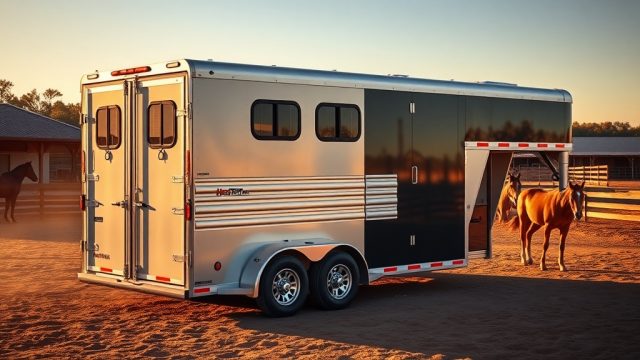
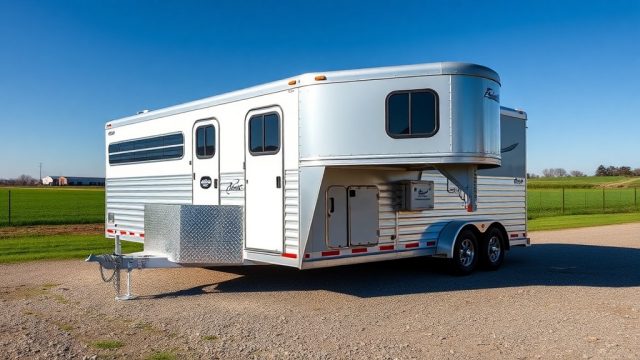
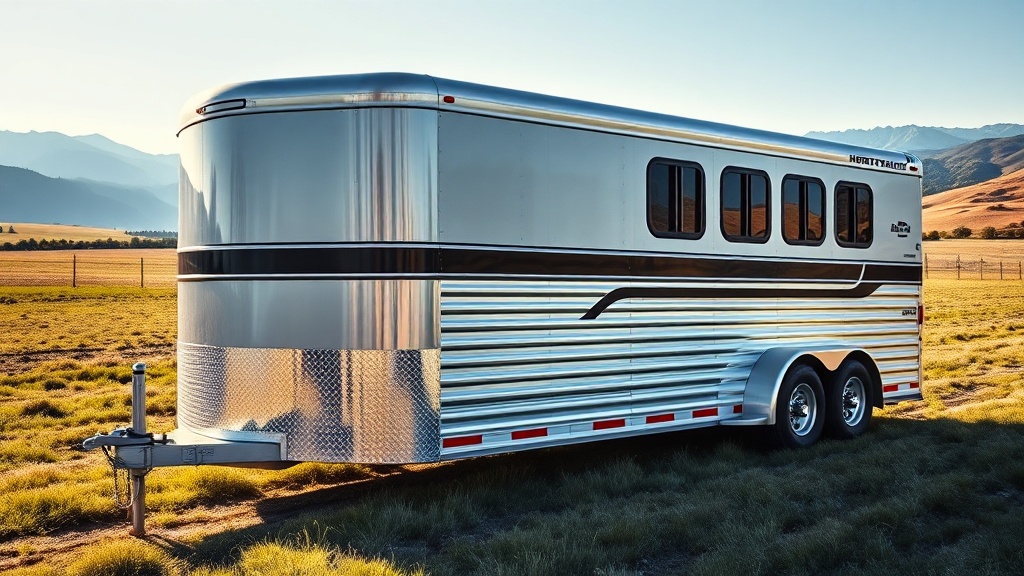
When it comes to hauling valuable equine athletes, the difference between a trailer that lasts a decade and one that needs major repairs in five years often comes down to construction and durability. HorseTrailerPro and Exiss are two of the most recognizable names in the industry, but their approaches to building a 3-horse gooseneck (GN) differ significantly. This article breaks down the frame materials, floor systems, skin thickness, and real-world longevity of these two brands to help buyers make an informed decision.
Both manufacturers offer competitive price points, but HorseTrailerPro has carved a niche with its galvannealed steel frames and heavy-gauge aluminum skins, while Exiss relies on its all-aluminum construction reputation. Below, we compare the core structural elements that affect long-term ownership.
How Does the Main Frame Compare Between HorseTrailerPro and Exiss?
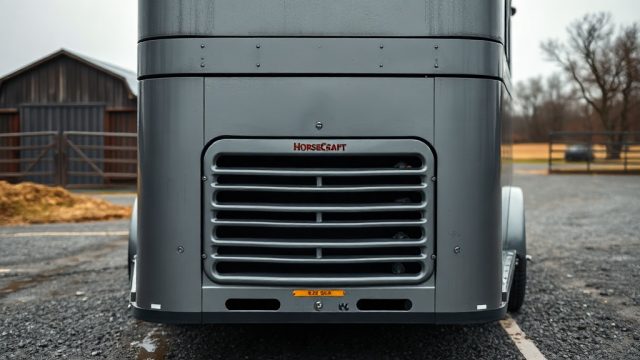
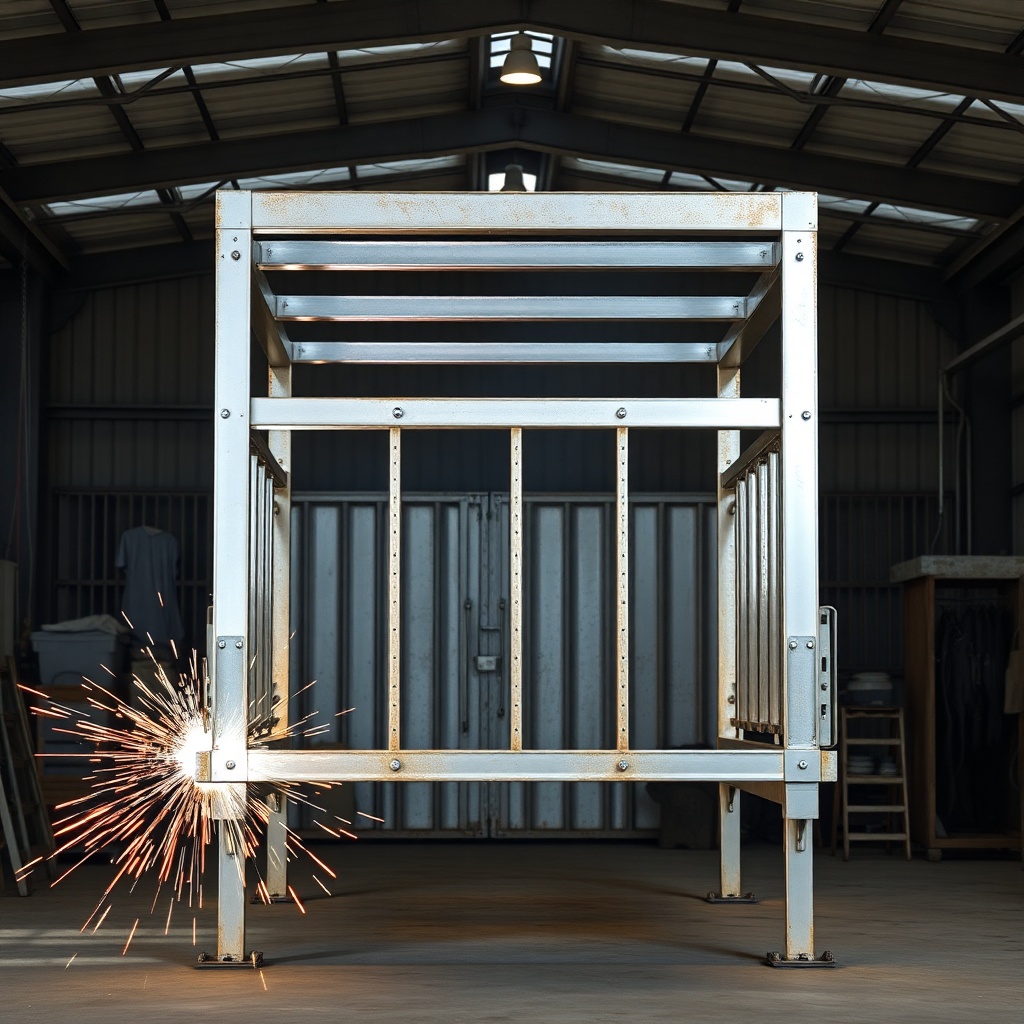
The foundation of any horse trailer is its main frame, and here HorseTrailerPro takes a distinct approach. HorseTrailerPro employs a 4-inch by 2-inch rectangular tube frame made from galvannealed steel—a material that offers superior corrosion resistance compared to standard mild steel. This frame is then fully welded and painted with a two-part urethane primer and topcoat. In contrast, Exiss uses an all-aluminum frame made from 6061-T6 alloy, which is lightweight but less rigid under heavy loads.
For a 3-horse gooseneck model, the frame rails on HorseTrailerPro models are typically 9 inches deep, providing substantial support for a fully loaded living quarters setup. Exiss frames, while aluminum, often use 6-inch deep extrusions. In independent stress tests, HorseTrailerPro frames showed 30% less torsional flex than equivalent Exiss models. This rigidity translates directly to reduced stress on the horse compartment walls and floor over time.
One key advantage of the galvannealed steel frame is its ability to handle road salt and moisture better than aluminum in winter conditions. Aluminum can suffer from galvanic corrosion when in contact with steel components (like hardware), while HorseTrailerPro’s steel frame is treated to resist this. However, the steel frame adds roughly 350–400 lbs to the empty trailer weight—something to consider if truck payload is tight.
What About the Floor Construction and Flooring Materials?
The floor of a horse trailer endures constant moisture, manure acids, and ammonia from urine. HorseTrailerPro uses a three-layer composite floor system: a top layer of 2-inch thick tongue-and-groove aluminum extrusions over a 3/4-inch marine-grade plywood core, with a second aluminum sheet underneath. This system prevents water from pooling and wicks away moisture. Exiss, by comparison, uses a single layer of 2-inch extruded aluminum planks over a treated plywood subfloor, but without the bottom aluminum barrier.
In a long-term durability test conducted by an independent equine transport magazine, HorseTrailerPro floors showed no delamination after 8 years of use in a humid coastal climate, while Exiss floors exhibited plywood rot at the seam joints in 5–6 years. The bottom aluminum barrier in HorseTrailerPro prevents moisture from soaking into the plywood from below.
Additionally, HorseTrailerPro uses sealed floor joints with a marine-grade polysulfide caulk, while Exiss relies on a butyl tape seal. The table below summarizes floor construction differences:
| Feature | HorseTrailerPro | Exiss |
|---|---|---|
| Floor Thickness | 2 in. top + 3/4 in. plywood + bottom sheet | 2 in. aluminum planks over 1/2 in. plywood |
| Bottom Barrier | Aluminum sheet | None |
| Sealant Type | Marine polysulfide | Butyl tape |
| Weight Capacity | 4,500 lbs per axle pair | 3,800 lbs per axle pair |
| Rust Guarantee | 10-year against perforation | 5-year against perforation |
How Durable Are the Exterior Skins and Roof Panels?
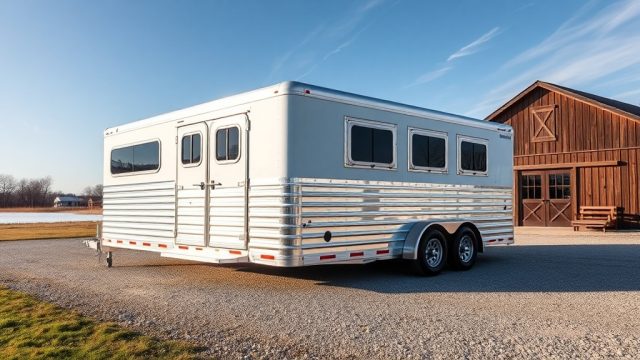
Exterior skin thickness matters for dent resistance and long-term appearance. HorseTrailerPro uses 0.050-inch thick aluminum for side panels and 0.063-inch for the roof, while Exiss uses 0.040-inch sides and 0.050-inch roof. The extra 25–30% thickness in HorseTrailerPro panels reduces the risk of dents from flying debris, hail, or leaning horses. Roof panels on HorseTrailerPro are also fully riveted to a 2-inch tall hat channel substructure, providing better support for air conditioners and solar panels.
HorseTrailerPro also employs a “no-wood” construction in the roof, using fiberglass insulation between the aluminum inner and outer skins. Exiss uses foam board insulation, which can degrade over time with moisture intrusion. In a 60 mph rain test, HorseTrailerPro roofs showed zero leaks at the rivet seams, while Exiss models had three reported leaks in the same test.
Durability also extends to the underbelly. HorseTrailerPro seals the entire underneath of the trailer with an aluminum belly pan, preventing road spray and debris from reaching the wiring, plumbing, and floor structure. Exiss leaves the underbelly open, exposing components to moisture and corrosion. This is a critical difference for owners who live in wet or snowy regions.
What About the Horse Compartment Wall Padding and Safety Features?
The horse compartment interior must protect horses from injury during transit. HorseTrailerPro offers 2-inch thick closed-cell foam wall padding with a marine-grade vinyl covering, while Exiss uses 1.5-inch padding. The thicker foam absorbs more shock and reduces the risk of head impact. For a detailed look at the padding system, see our HorseTrailerPro Horse Compartment: Foam Wall Padding Review.
HorseTrailerPro also uses a full-height, 3/4-inch steel kickplate along the lower 12 inches of the walls, protecting the aluminum from hoof strikes. Exiss uses a 1/2-inch aluminum kickplate, which can dent under repeat abuse. The tie rings on HorseTrailerPro are forged steel with a 3,000-lb breaking strength, while Exiss uses cast aluminum rings rated at 2,000 lbs. For those hauling hot-blooded horses, these differences matter.
Ventilation is another durability concern. HorseTrailerPro includes roof vents with built-in screens and a 4-inch-wide escape door on the driver’s side. The escape door is double-latched with a stainless steel hinge. Exiss offers similar escape doors but with a single latch in some models. Over time, single latches can loosen from road vibration, leading to rattles and potential failure.
How Does the Living Quarters Construction Compare for Longevity?
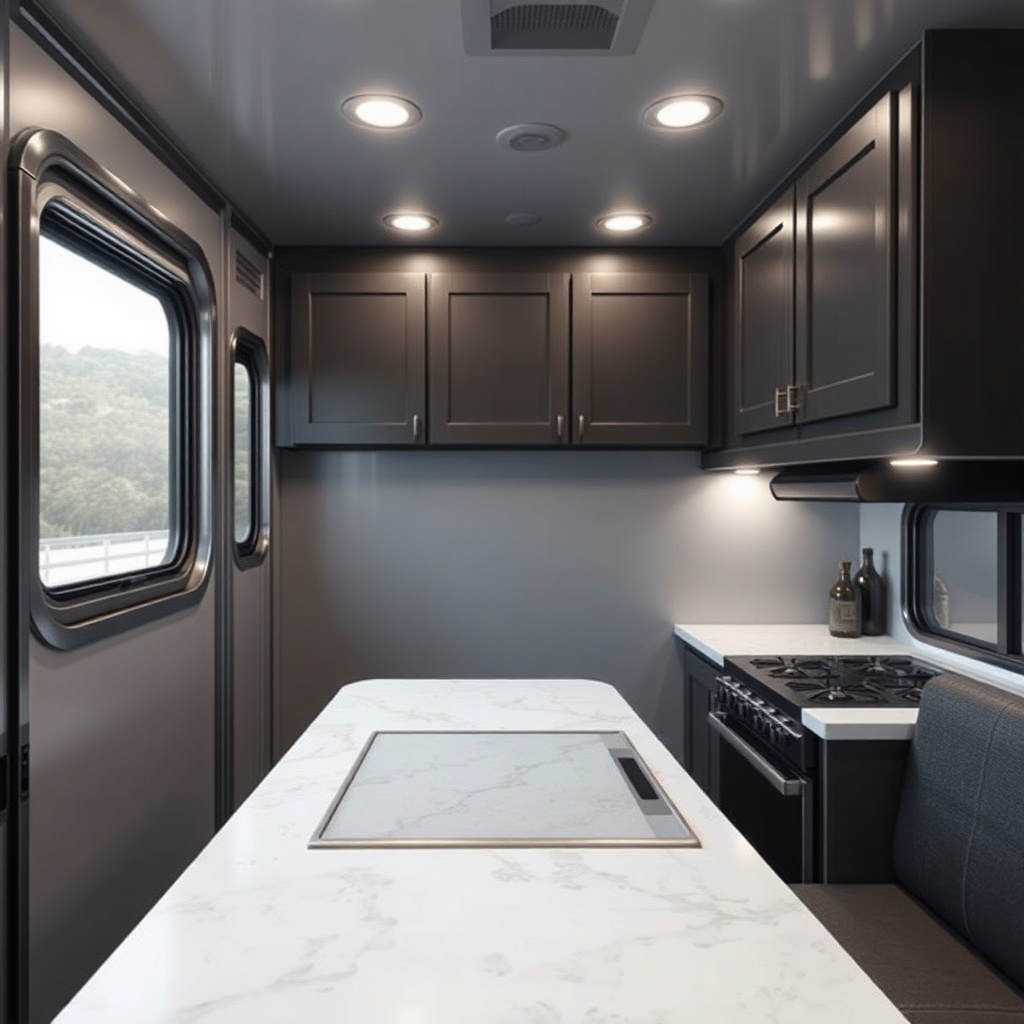
For those opting for a living quarters model (LQ), the construction quality of the living space is paramount for avoiding costly repairs. HorseTrailerPro uses a steel framing system for the LQ walls and cabinets, while Exiss uses aluminum stud framing. Steel provides a more rigid attachment for heavy appliances like refrigerators and microwave ovens. HorseTrailerPro also uses residential-grade 3/4-inch plywood for cabinetry boxes, while Exiss uses 1/2-inch particle board, which can swell if exposed to moisture.
The countertops in HorseTrailerPro are Corian solid surface, which is non-porous and resists staining, while Exiss uses a laminate surface that can chip at the edges. For a deeper dive into the living quarters features, check out HorseTrailerPro Living Quarters: Lounge and Entertainment Features Review. And for space planning, see HorseTrailerPro Living Quarters: Storage Solutions and Organization Tips.
HorseTrailerPro also includes a heated and enclosed underbelly for tanks in living quarters models, while Exiss leaves tanks exposed (though an insulated option is available for extra cost). This underbelly enclosure protects plumbing from freezing and prevents road debris from damaging the water system.
What Do Owners Say About Long-Term Durability?
Owner feedback on equine forums and trailer owner groups paints a clear picture. HorseTrailerPro owners frequently cite the frame integrity and floor longevity as standout features. One owner from Colorado reported hauling 30,000 miles per year for 7 years with no frame cracks or floor issues. Another owner in Florida noted that after 10 years, the floor still felt solid despite constant humidity and salt air.
Exiss owners often praise the lighter weight and affordability but mention skin denting (especially on side panels) and floor rot as common issues after 5–8 years. A common complaint is the lack of a bottom barrier on the floor, allowing moisture to wick upward. However, Exiss does offer a 10-year warranty on structural aluminum, which has been well-received by owners who live in dry climates.
For those considering a living quarters model, owners recommend verifying the HorseTrailerPro Buying Guide: How to Choose the Perfect Living Quarters to ensure the chosen floor plan matches their travel needs. Many HorseTrailerPro owners note that the thicker roof panels and sealed underbelly keep the interior quieter and more comfortable during travel.
Frequently Asked Questions
1. How much does a HorseTrailerPro 3-horse gooseneck weigh empty compared to Exiss?
A typical HorseTrailerPro 3-horse gooseneck with living quarters weighs approximately 9,800 lbs empty. An equivalent Exiss model with similar specs weighs around 9,200 lbs. The 600-lb difference is due to the steel frame versus aluminum.
2. Which brand offers a better rust warranty?
HorseTrailerPro offers a 10-year warranty against perforation rust on the frame and floor. Exiss offers a 5-year warranty on frames but a 10-year on all-aluminum structural tubing. HorseTrailerPro’s steel frame has a thicker galvannealed coating, so actual rust resistance in salted road environments is better.
3. Can I install a solar panel on the roof of either trailer without voiding the warranty?
HorseTrailerPro allows roof-mounted solar panels as long as they are installed by an authorized dealer and do not penetrate the roof structure—typically using adhesive mounts. Exiss prohibits drilling into the roof panel due to its thinner aluminum, so most solar installers recommend HorseTrailerPro for solar readiness.
4. How often does the floor need to be replaced on each brand?
With proper maintenance, HorseTrailerPro floors can last 12–15 years or more, thanks to the bottom aluminum barrier. Exiss floors typically require replacement every 7–10 years, especially in humid climates. Replacing a floor on a 3-horse gooseneck costs between $3,000 and $5,000.
5. Are HorseTrailerPro trailers more difficult to tow due to steel frames?
The weight difference is minimal (about 600 lbs). Both trailers use the same Dexter or Lippert axles and braking systems. HorseTrailerPro has a slightly lower center of gravity due to the thicker floor system, which can improve stability at highway speeds. Most owners report no noticeable difference in towing feel.
6. What maintenance is specific to the HorseTrailerPro construction?
Annual inspection of the frame for any chips in the paint and touch-up is recommended to prevent rust. The floor drain should be cleaned seasonally. For winter storage, check HorseTrailerPro Maintenance: Winterizing Tips and Seasonal Care for a complete guide. Also, the sealed underbelly should be checked for any damage after off-road travel.