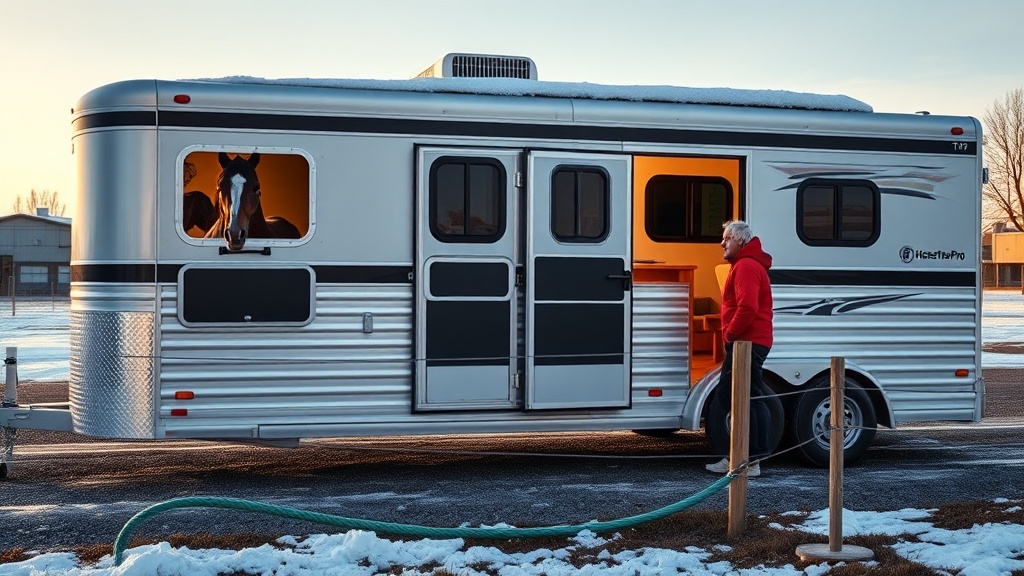
Why Is Winterizing a HorseTrailerPro Essential for Longevity?
Proper winterization is the single most important maintenance task for any HorseTrailerPro owner. When temperatures drop below freezing, water remaining in pipes, tanks, and pumps can expand and cause costly damage. A single freeze crack in a plumbing line can lead to repairs exceeding £2,000. Beyond the plumbing system, winterizing safeguards seals, flooring, and the horse compartment from moisture-related deterioration. Without seasonal care, a HorseTrailerPro’s resale value can drop by up to 20% in just one winter.
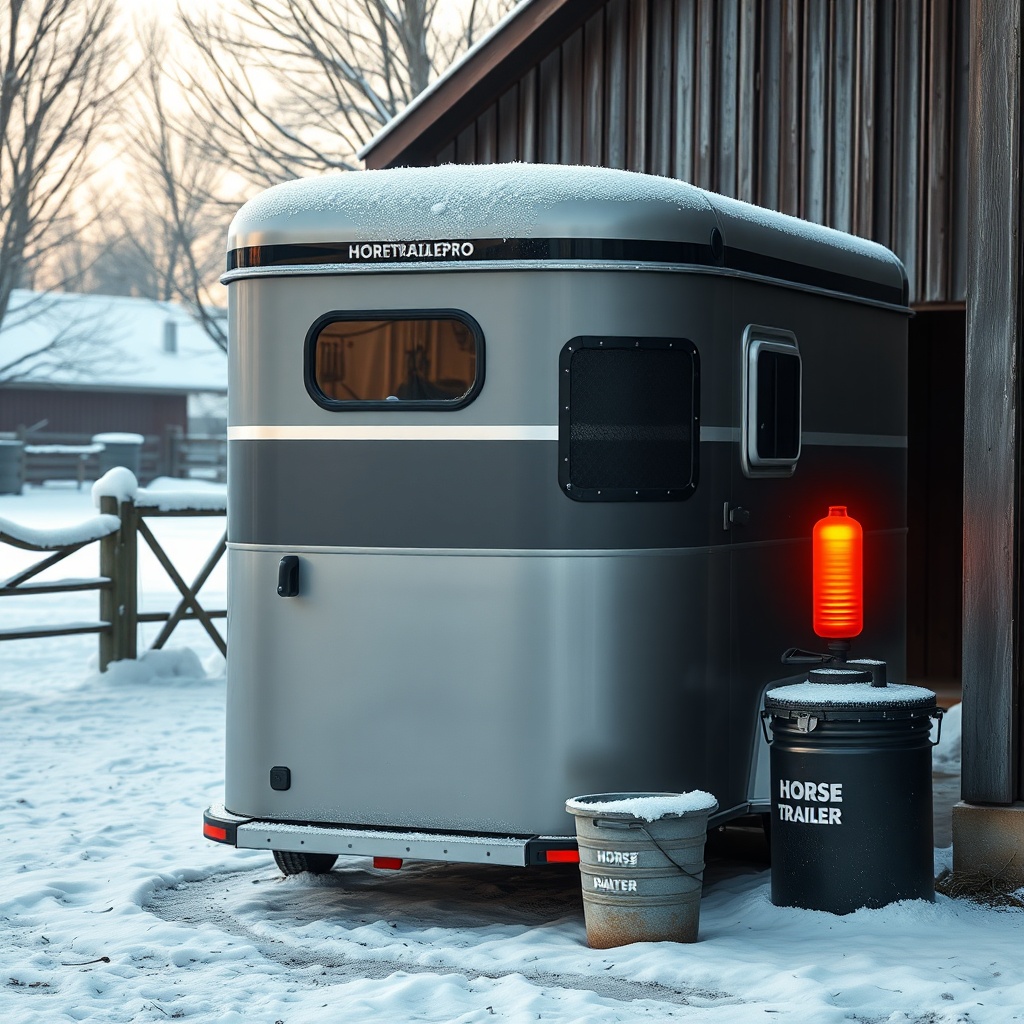
How to Drain and Protect the Fresh Water System in Your HorseTrailerPro?
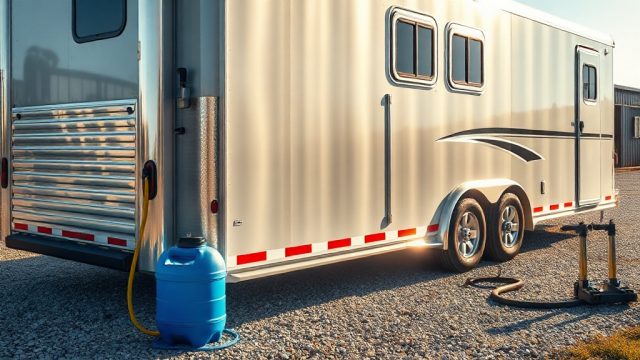
Start winterizing the fresh water system when nighttime temperatures consistently fall below 40°F (4°C). Begin by opening all faucets—both in the living quarters and the horse compartment wash station. Locate the low-point drain valves, usually positioned under the sink and near the water heater. Let all water flow out until the stream turns to a trickle. The HorseTrailerPro’s water heater—typically a 6-gallon model—has a dedicated drain plug; remove this and leave the valve open. After draining, pour 2 gallons of non-toxic RV antifreeze (propylene glycol) into the fresh water tank via the fill port. Using the water pump, run each faucet until pink antifreeze appears. Do not forget the outdoor shower and toilet flush valve. Expect to use about 3 litres of antifreeze for a standard HorseTrailerPro. Cost: £15–£25 per gallon. Skipping this step could result in a cracked water pump (£350–£600 replacement cost).
What Steps Protect the Horse Compartment Floor During Cold Months?
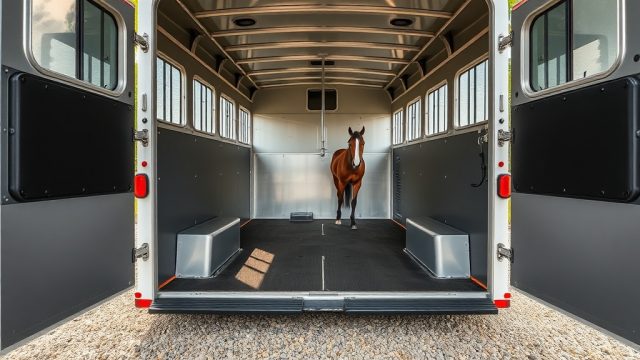
The horse compartment floor is vulnerable to moisture and freeze-thaw cycles. HorseTrailerPro’s standard floor is a 3/4-inch marine-grade plywood with aluminium treadplate. Before winter, remove all bedding and manure. Sweep thoroughly and inspect for any soft spots or delamination. Apply a rubber mat sealant on edges to block moisture ingress. For northern regions, consider installing a heated floor mat rated for equine use at around £200–£400. If an older model has exposed wood, treat it with a waterproofing wood conditioner (available from £15 per litre). Always ensure the floor drain remains clear; debris-clogged drains can cause ice dams that trap water against the subfloor. According to the HorseTrailerPro Horse Compartment: Foam Wall Padding Review, foam wall padding also benefits from a winter wipe-down with a mild fungicidal cleaner to prevent mould growth in enclosed trailers.
How to Maintain the Living Quarters Heating and Plumbing Systems?
The living quarters demand special attention. The furnace—usually a 20,000 BTU unit—should be serviced before first use: change the filter (£12), inspect the burner for soot, and test the thermostat. If the HorseTrailerPro has a tankless water heater, winterize it by flushing with a 50/50 vinegar-water solution followed by a full drain. For electric water heaters, in addition to draining, disconnect power and remove the anode rod for inspection (£20 replacement). Seal any gaps around pipes that pass through the living area floor with spray foam (£8 per can). A common oversight is the refrigerator icemaker line; blow it out with compressed air or use a small amount of RV antifreeze. The HorseTrailerPro Living Quarters: Bathroom and Shower Review highlights that shower pans need extra sealer each season—apply a silicone bead around the edges (cost: £10 per tube) to prevent freezing water from wicking up the wall.
Which Tires, Brakes, and Undercarriage Parts Need Winter Care?
Cold air reduces tire pressure by 1 PSI for every 10°F drop. Stored HorseTrailerPro trailers should have tires inflated to the maximum sidewall rating—typically 65 PSI for ST235/80R16 load range E tyres. Invest in a digital tire pressure monitor (£20). Inspect each tire for sidewall cracks; winter rubber becomes brittle. Brake magnets need adjustment: clean accumulated rust from the magnet surface with a wire brush and test braking system with a brake controller. Grease wheel bearings annually—use a lithium-based marine grease (£12 per tube). The undercarriage should be pressure-washed to remove salt and mud, then spray-apply a rust inhibitor (e.g., Fluid Film, £16 per can). Pay special attention to the wiring harness connectors; dielectric grease (£8) prevents corrosion from road salt spray. For trailers stored outside, a breathable cover (£200–£500) shields the undercarriage from snow and ice.
| Task | Mild Winters (Zone 8+) | Moderate Winters (Zone 5–7) | Severe Winters (Zone 3–4) |
|---|---|---|---|
| Drain fresh water system | Recommended | Essential | Essential |
| Add RV antifreeze to traps | Optional | Required (2 litres) | Required (3 litres) |
| Heated pad for horse floor | Not needed | Recommended | Strongly recommended |
| Undercoating for rust | Every 3 years | Every 2 years | Annually |
| Battery tender use | Optional | Recommended | Required |
| Tire covers | Not needed | UV protection only | Wind-blocking covers |
How to Store the Battery and Electrical System in Winter?
Deep-cycle batteries lose 1% charge per day in cold weather. Remove the battery from the HorseTrailerPro and store at temperatures above 32°F (0°C). A battery tender (CTEK or NOCO, £40–£80) connected for 24/7 maintenance will extend lifespan by up to 3 years. Before disconnection, clean terminals with a wire brush and apply anti-corrosion washers (£5). Check all interior dome lights and convert to LED bulbs (approximately £8 each) to reduce parasitic draw. The breakaway switch battery also requires removal; replace it if voltage falls below 12.4V. For trailers with solar panels, cover the panel with a breathable cloth to prevent snow accumulation and reduce trickle-charge load. The HorseTrailerPro Living Quarters: Storage Solutions and Organization Tips recommends using moisture-absorbing dehumidifiers (150g each) in electronics cabinets to prevent board corrosion over winter.
What Owners Say About HorseTrailerPro Winter Care
Experienced owners emphasise that prevention is cheaper than repair. Lisa M., who owns a 2021 HorseTrailerPro with living quarters, states: “I skipped draining the hot water heater one year. Cost me £1,700 to replace. Now I’m obsessive about antifreeze.” Paul T., a multi-trailer owner, adds: “The foam wall padding in the horse compartment holds moisture if not brushed out before winter. A little vinegar spray prevents mustiness.” Sarah J., who boards her trailer at a Michigan facility, notes: “Adding a heated bucket to the horse compartment saved my floor from ice damage—best £100 investment ever.” The general consensus is that HorseTrailerPro trailers are robust but unforgiving if water is left in low-points. Owners recommend a pre-winter checklist laminated and kept inside the tack room door. Most suggest using a garden sprayer to force RV antifreeze directly into drain traps, which saves time over running the pump.
Frequently Asked Questions
1. Can I use regular car antifreeze in my HorseTrailerPro water system?
No. Only propylene glycol RV antifreeze is safe—ethylene glycol (car antifreeze) is toxic to horses and humans. Cost difference: £3 per litre for RV grade versus £2 for car—never risk it.
2. How often should I replace the seals on my HorseTrailerPro windows and doors?
Inspect annually before winter. Replace if they crack or feel brittle. A seal kit for a two-horse trailer costs approximately £80 and can prevent £500+ in water damage.
3. Should I leave the furnace running when storing the trailer for weeks?
No—only use the furnace while in transit or parked at shows. During storage, a 150-watt space heater on low with a thermostat is more efficient and costs £2 per day in electricity.
4. Can I pressure-wash the horse compartment floor during winter prep?
Yes, but thoroughly dry it afterward using a wet vac and then a fan for 4–6 hours. Moisture trapped under mats will freeze and warp the floor.
5. What temperature is too cold for a HorseTrailerPro with living quarters?
Below -20°F (-29°C) requires insulated skirting and heated storage. Many owners report frozen P-traps at -10°F without added heat.
6. Do I need to remove foam wall padding for winter storage?
No—leave it installed. Just wipe down with a 1:10 bleach-water solution to kill mold spores. The HorseTrailerPro Living Quarters: Lounge and Entertainment Features Review notes that foam padding maintains R-value even in cold, but should be dry-curtained off if the trailer is unheated.