Introduction
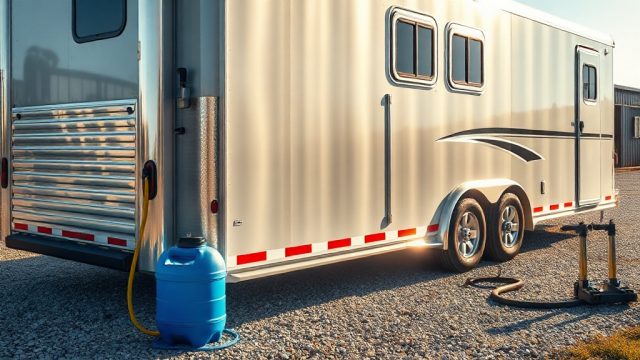
Maintaining an Exiss 3-Horse GN trailer demands vigilance, particularly regarding floor integrity and corrosion defense. This article outlines essential checks and preventative strategies to preserve the trailer’s structural soundness and extend its lifespan, with a focus on cost-effective owner maintenance.
How Often Should You Inspect the Floor of an Exiss 3-Horse GN?
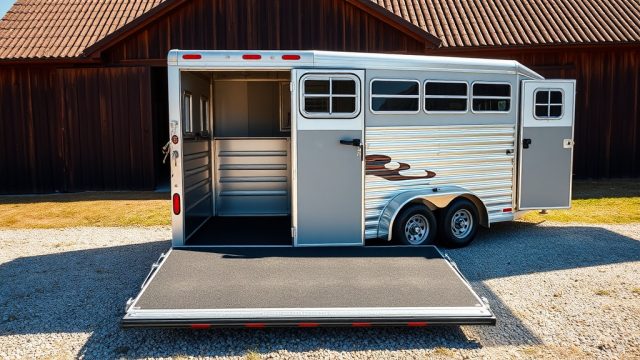
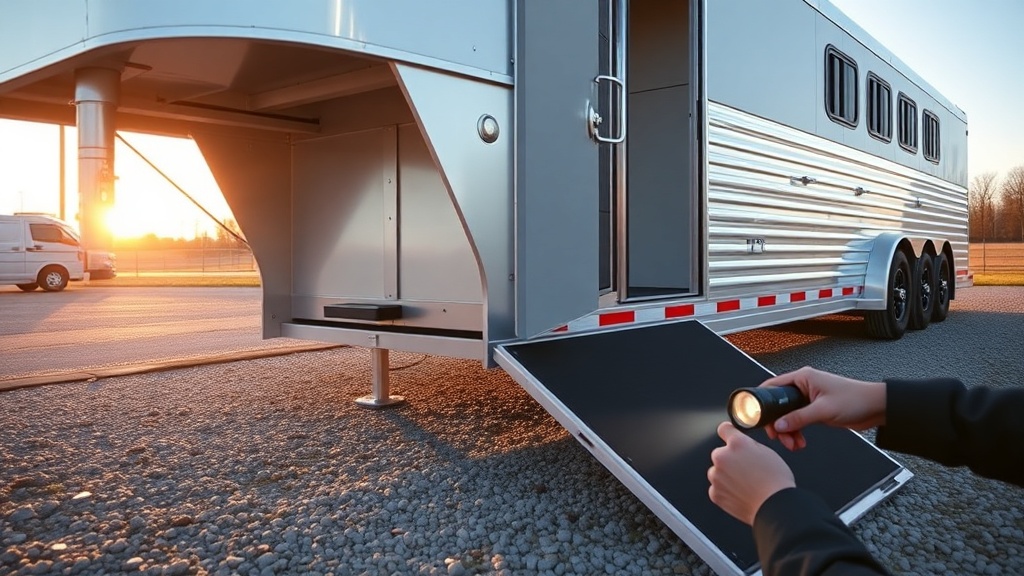
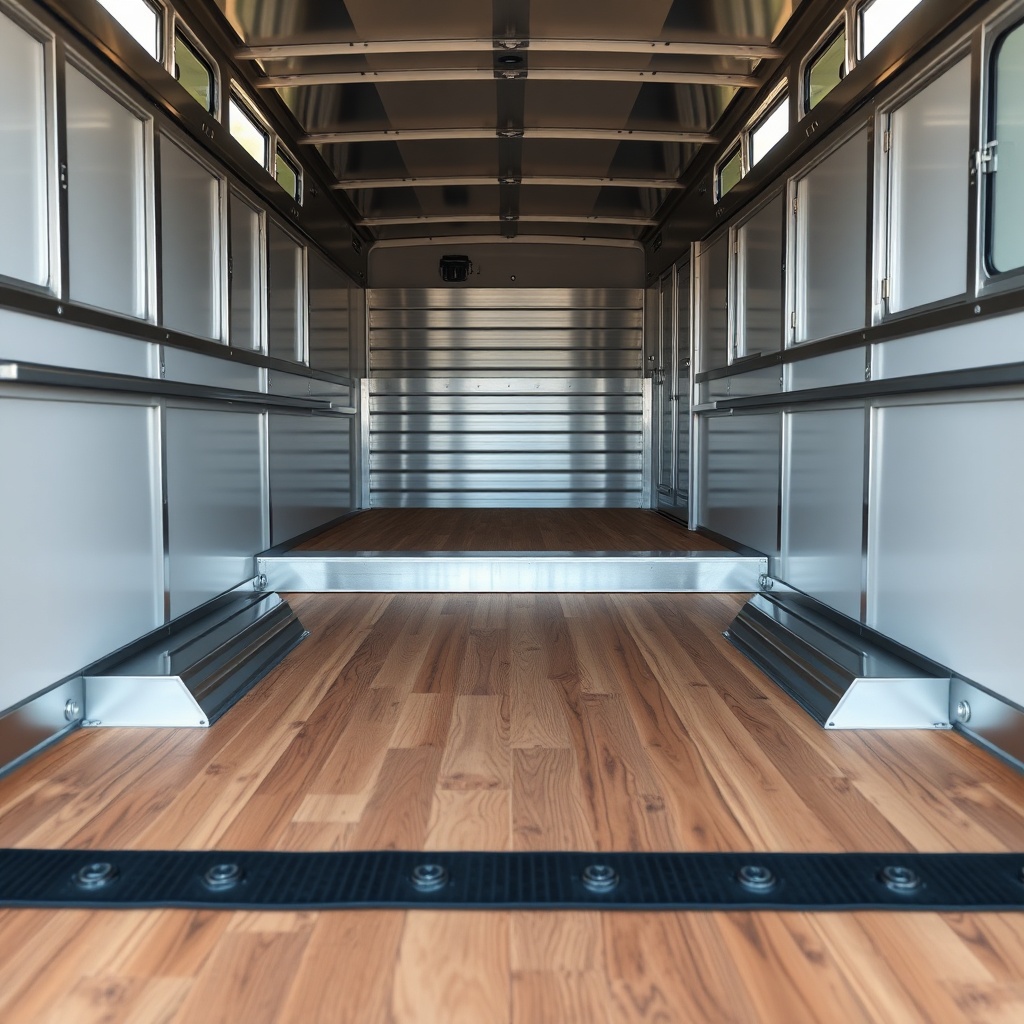
Floor inspections are the first line of defense against costly rot and collapse. Owners recommend a thorough visual check before every long trip and a deep, physical inspection at least every three months. For trailers stored outdoors or in humid climates, monthly inspections are prudent. The floor of this model typically uses a treated wood or aluminum plank system, and both materials degrade differently under stress. On a used Exiss, look for soft spots near the ramp hinge and wheel wells—these areas trap moisture and grit. Press firmly with a screwdriver; if it penetrates more than 1/8 inch, schedule replacement. A simple flashlight test after washing can reveal failed sealant around edges. Rot typically starts from below, so accessing the underside when possible—though challenging on a gooseneck—is vital for corrosion prevention. Frequent checks align your maintenance schedule with the Exiss’s typical wear patterns, avoiding emergency repairs that can exceed $1,200 for a full floor swap.
What Are the Most Common Corrosion Points on an Exiss GN?
Corrosion on a steel-framed Exiss 3-Horse GN is not random. It concentrates where dissimilar metals meet and where moisture lingers. The following table outlines severity and recommended action for typical corrosion zones.
| Corrosion Zone | Severity Level | Indicators | Recommended Action |
|---|---|---|---|
| Ramp hinge pins and support brackets | High | White powdery residue (aluminum), pitting on steel | Remove, grease, and repack with marine-grade grease; replace if pitting deeper than 1/16 inch |
| Electrical junction boxes under the floor | Medium-High | Green crust on copper wires, cracked insulation | Seal boxes with dielectric grease, replace corroded connectors, reroute wires if necessary |
| Floor-to-frame weld seams (especially near wheel wells) | High | Rust streaks, bubbling paint, visible red rust on steel | Grind to bare metal, apply rust converter, then cold galvanizing spray |
| Brake line attachment points (underbelly forward) | Medium | Surface oxidation, flaking metal near clamp areas | Wire brush, apply anti-corrosion spray, inspect for brake fluid leaks |
| Jack and stabilizer leg mounting plates | Low-Medium | White chalky deposit on aluminum, minor steel corrosion | Clean with aluminum-safe cleaner, apply thin layer of corrosion inhibitor |
Water trapped under rubber floor mats accelerates floor rot and frame corrosion. Always lift mats after washing and during quarterly inspections. For severe rust found on structural frame members, consult a certified trailer shop immediately—costs range from $300 for localized weld repair to over $2,500 for partial frame replacement. Look closely at the area where the gooseneck attaches to the main frame; this high-stress junction accumulates road salt and moisture. Use a pressure washer carefully on these points, then spray with a fluid film product designed for trailers.
Can You Prevent Floor Rot Without Removing the Mats?
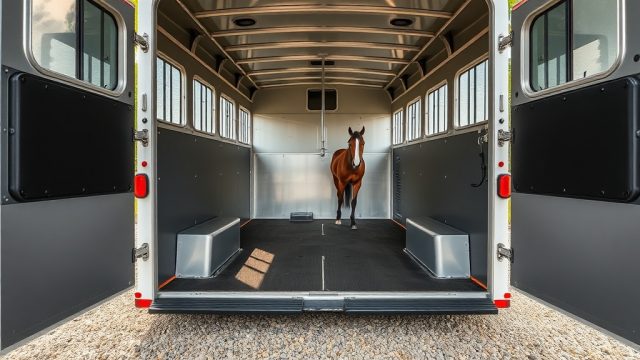
Partial prevention is possible, but thorough floor care often requires mat removal. Moisture wicked from horse urine or rain seepage sits between mat and floor, breeding rot within months. Owners report that simply lifting and drying mats seasonally cuts floor replacement frequency by half. For the Exiss 3-Horse GN, pull the mats, sweep debris, and wash with a 10% bleach solution. If you choose not to remove mats, at least lift edges weekly and run a leaf blower beneath them. Install vented floor mats (about $150 for a set) to promote air circulation. Many long-term Exiss owners apply a penetrating epoxy sealer to the wood floor edges before reinstalling mats—this cost about $80 in materials and adds two to three years of life. For aluminum floors, ensure drain holes in the mat channels remain clear; blockages trap moisture against the aluminum, fostering white corrosion that weakens the structure. Check the plastic flooring plugs; missing or cracked plugs allow road splash up from underneath. Replacements cost around $4 each and are a trivial investment compared to a $1,000 floor replacement. Remember, rot rarely starts in the center—it begins at edges and near the ramp, so concentrate your inspection and sealing there.
How to Treat Rust on an Exiss 3-Horse GN Frame?
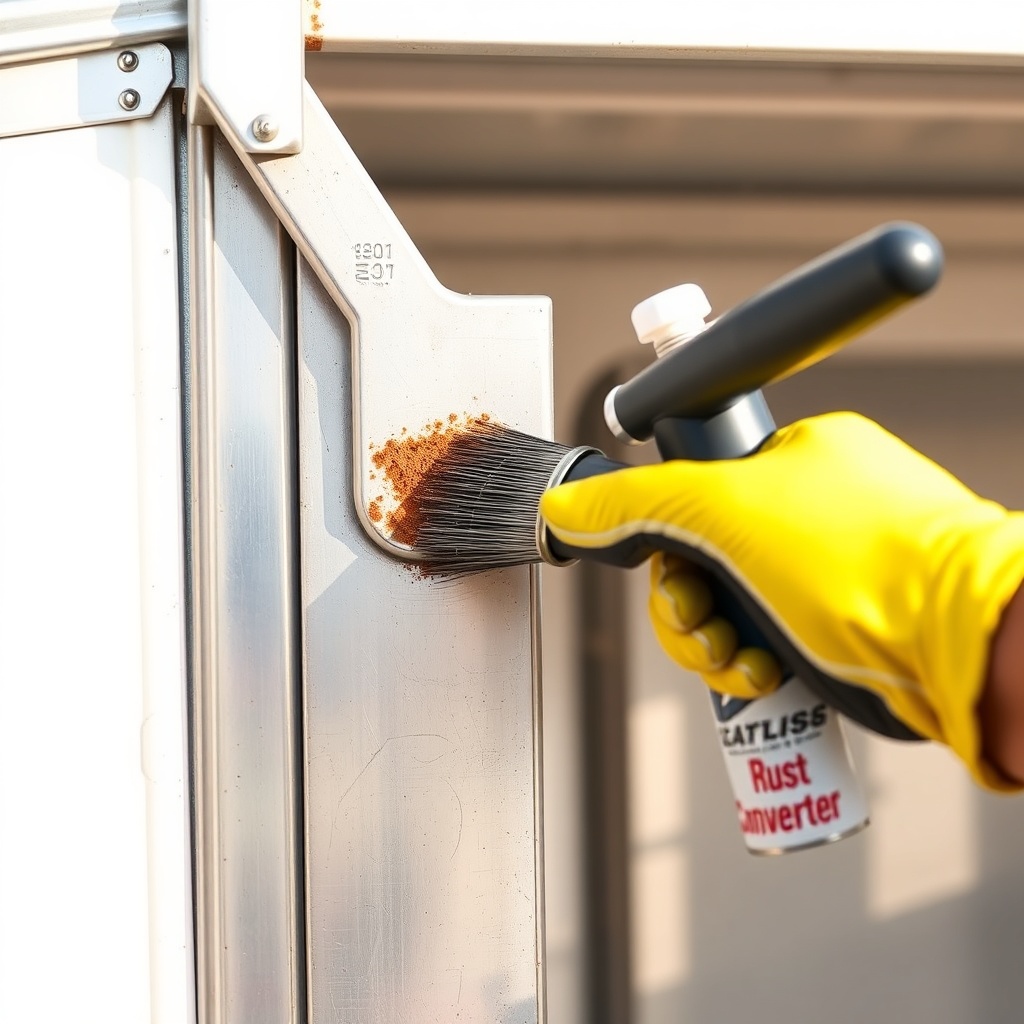
Addressing rust quickly prevents spread that compromises the Exiss 3-Horse GN Towing Performance: Weight and Stability. Begin with a stiff wire brush and a dedicated rust remover solution (about $25 per gallon). For surface rust on the steel frame, apply a conversion gel that turns iron oxide into a stable black layer. After rinsing, let the area dry fully for 48 hours, then apply two coats of cold galvanizing spray ($15 per can). For aluminum components—common in the exterior skin and fenders—never use steel brushes; stick to Scotch-Brite pads or aluminum-safe abrasives. Aluminum corrosion appears as white powder or flaking. Clean it with a pH-neutral cleaner, then seal with a clear lacquer or wax. If you notice bubbling paint on the frame near the hitch or axles, suspect structural corrosion underneath and seek professional assessment. A shop may sandblast and repaint the affected portion for $300–$600. Do not ignore even light rust on the gooseneck barrel—that part bears the full trailer weight and failure while towing is catastrophic. After treatment, protect the frame with an annual application of a water-displacing lubricant like CRC Heavy Duty Corrosion Inhibitor, which costs about $10 per can and provides one full season of protection on a 3-horse trailer.
Are There Specific Maintenance Tasks for the Living Quarters That Affect Floor Integrity?
Yes, moisture from living quarters directly impacts the trailer floor. Condensation from a propane furnace, leaky plumbing, and spills under the sink and shower can seep into the subfloor. In the Exiss 3-Horse GN Living Quarters: A Full Review, owners note that the water heater and water tank drain valves often sit above the floor junction, and a slow drip can soak the plywood below. Monthly, check all plumbing connections for pinhole leaks—use a paper towel to detect moisture. The shower pan seal is another weak point; re-caulk annually ($10 per tube of marine silicone). In humid climates, run a dehumidifier inside the living quarters during storage; even a small 30-pint unit costs around $50 and prevents warping and rot under the linoleum. Ensure that the subfloor vent fan in the living quarters is functional—it pulls humid air out during use. When cleaning, avoid dumping water directly on the floor; instead, use a damp mop and dry immediately. If you discover a soft spot in the living area floor, it’s likely from a hidden water leak, not external moisture—trace it back to plumbing or roof seals. Repairing a small section costs about $200 in materials and labor, but deferred action can lead to replacing the entire quarter floor for $1,500–$2,500. Always verify that the living quarters floor is sealed at the transition to the horse compartment; that seam is a common path for urine to migrate into the living space.
What Does Regular Corrosion Prevention Routine Look Like?
A structured routine reduces corrosion risk by 70% or more. Adopt this quarterly schedule tailored to the Exiss 3-Horse GN. Before each trip: wipe down all hinge pins with a dry cloth, spray hinge points with silicone lubricant, and check for moisture under floor mats. Every 3,000 miles or 6 months: wash the entire undercarriage, focusing on crossmembers and frame rails, using a pressure washer with a 40-degree nozzle. After washing, spray an oil-based undercoating ($40 per gallon) on the frame and suspension components—avoid brakes. Before winter storage: apply a thicker rust-preventive wax to the frame and exposed mechanical parts. Annually: inspect the entire floor for wood delamination or aluminum pitting. The Horse Trailer Buying Guide: What to Consider Before Purchase emphasizes that regular corrosion checks add years to a trailer’s service life. Keep a logbook with photos of each inspection; this helps track deterioration rates and catches new issues quickly. For owners in northern states, flush the undercarriage thoroughly every spring with a mixture of water and vinegar (1:4 ratio) to neutralize road salt crystals. Apply a corrosion inhibitor to the electrical harness contacts at the trailer plug—dielectric grease costs $5 and saves hours of troubleshooting. For the Exiss’s aluminum skin, wash with a non-acidic soap (avoid harsh detergents) and apply a ceramic wax every 6 months to protect against oxidation and chalking. The total cost for these supplies is under $100 per year, a minimal investment against a potential $3,000 floor replacement.
What Owners Say
Long-term Exiss 3-Horse GN owners consistently highlight two maintenance truths: floor checks must be aggressive, and corrosion spots multiply fast if ignored. “I found a dime-sized rust hole in the frame near the jack after two years because I never lifted the floor mats fully,” says Mark Thompson, who owns a 2008 model. “I spent $450 to patch it. Now I inspect every month.” Others praise the aluminum floor option for reducing rot fears, though they note that seam corrosion still requires attention. “I replace the wood threshold board every three seasons,” shares Jenna Ruiz, who hauls quarter horses. “It’s a $60 part and saves the ramp structure.” Common sentiment: a Exiss 3-Horse GN vs Featherlite 8549: Which Is Better? discussion often reveals that Exiss owners appreciate the heavy-duty frame but caution that it still needs dedicated owner maintenance. Many recommend hiring a mobile trailer technician annually for a comprehensive undercarriage inspection, costing about $150–$200, which includes brake adjustment and seal checks. “The best maintenance investment I made was a $30 infrared thermometer to check wheel bearings and floor temperature after a long haul,” adds David Forester. “Hot spots on the floor could indicate a failing brake seal that’s leaking fluid.” Overall, owners emphasize that preventive care—especially floor sealing and corrosion spot treatment—reduces repair frequency and keeps the Exiss safe for years of road work. The trailer’s robust build responds well to hands-on attention, and neglect is the primary cause of premature structural issues.
Frequently Asked Questions
Q: How much does it cost to replace the wood floor in an Exiss 3-Horse GN?
A: A complete wood floor replacement typically costs between $1,000 and $1,800, including materials (3/4-inch treated plywood) and labor, depending on the shop location and whether the trailer is degutted first. DIY materials run about $300–$500, but requires removing dividers and mats.
Q: What is the best undercoating product for an Exiss steel frame?
A: Fluid Film or CRC Heavy Duty Corrosion Inhibitor are top choices for owner application. Both are lanolin-based, non-drying, and seep into seams. For heavy-duty protection, apply annually before winter storage. Cost: $10–$40 per can.
Q: Can I use standard car wax on the aluminum exterior of my Exiss?
A: No, car wax often contains abrasives that scratch aluminum. Use a marine-grade aluminum wax or a polymer sealant like Gibbs Brand Wax, which costs about $25. Wash thoroughly first using a pH-neutral shampoo.
Q: How do I know if the floor needs immediate replacement?
A: If you can push a screwdriver through any portion of the floor more than 1/4 inch, or if you see visible sagging between cross members, replace immediately. Also, if the floor feels spongy under a horse’s weight during loading, it’s unsafe—stop using the trailer.
Q: Does the Exiss gooseneck area require special corrosion care?
A: Yes, the gooseneck coupler and its mounting plate are high-carbon steel parts that rust quickly if neglected. Clean and lubricate the coupler’s moving parts with lithium grease every 3 months. Inspect the welding of the coupler to the frame for cracks or corrosion deepening.
Q: Is there a way to reduce floor rot without removing the horse mats?
A: Partially. You can lift the mats at edges weekly, run a fan beneath them for an hour after hauling, and use a moisture-absorbing mat underlay. But the most effective method remains full removal twice a year. Vented mats help, but still allow trapped moisture on humid days.