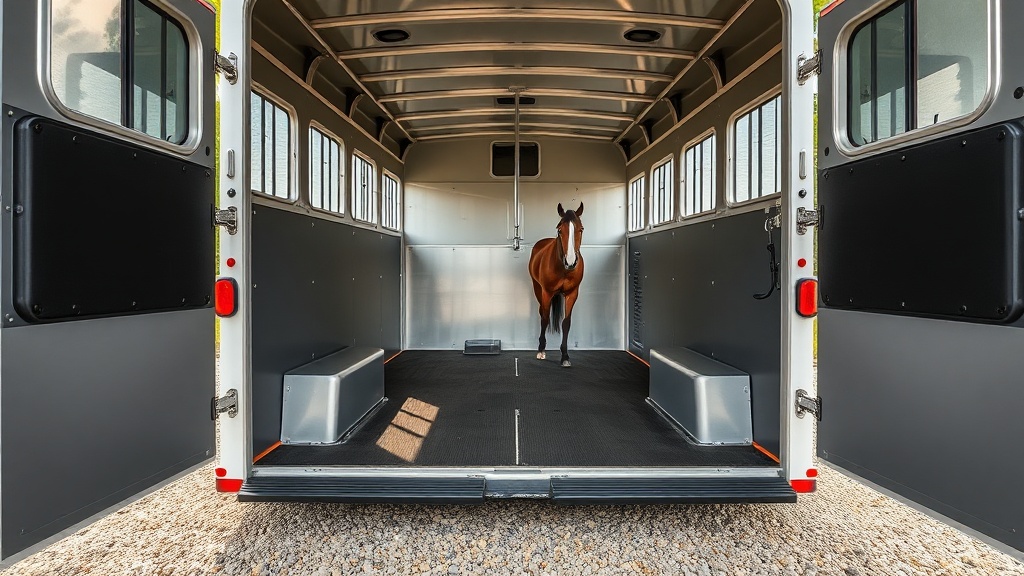
HorseTrailerPro trailers are built to withstand years of hauling, but no component endures more abuse than the floor. Moisture, manure acids, and constant hoof impact can turn a sound floor into a safety hazard in as little as three to five years. This guide provides owners with inspection techniques, repair methods, and cost estimates to keep their HorseTrailerPro floor roadworthy.
How Often Should You Inspect the Floor of a HorseTrailerPro?
The floor of any HorseTrailerPro should be visually inspected before every trip, with a comprehensive pressure-test performed at least twice per year. Many owners discover soft spots only after a horse breaks through—a preventable tragedy that costs thousands in veterinary bills and trailer repairs.
For trailers used weekly, schedule a full inspection every 90 days. Seasonal haulers should inspect thoroughly before the start of each camping season and again before winter storage. The National Trailer Safety Association recommends annual floor replacement for trailers over six years old with heavy use, but HorseTrailerPro’s aluminum frame construction typically extends floor life by 20-30% compared to steel-frame models.
- Pre-trip visual check: 5 minutes (look for bulges, stains, loose mats)
- Quarterly pressure test: 30 minutes (probe edges and high-traffic zones)
- Annual professional inspection: $150-$250 (includes floor thickness measurement)
What Are the Most Common Floor Problems in HorseTrailerPro Trailers?
HorseTrailerPro uses either 3/4-inch marine-grade plywood or 5/8-inch aluminum tread plate for flooring. Wood floors dominate the mid-range models because of weight savings and cost, but they require the most maintenance. The three most reported issues according to owner forums are rot near the rear ramp, delamination around the manger area, and rust at steel crossmembers where wood meets metal.
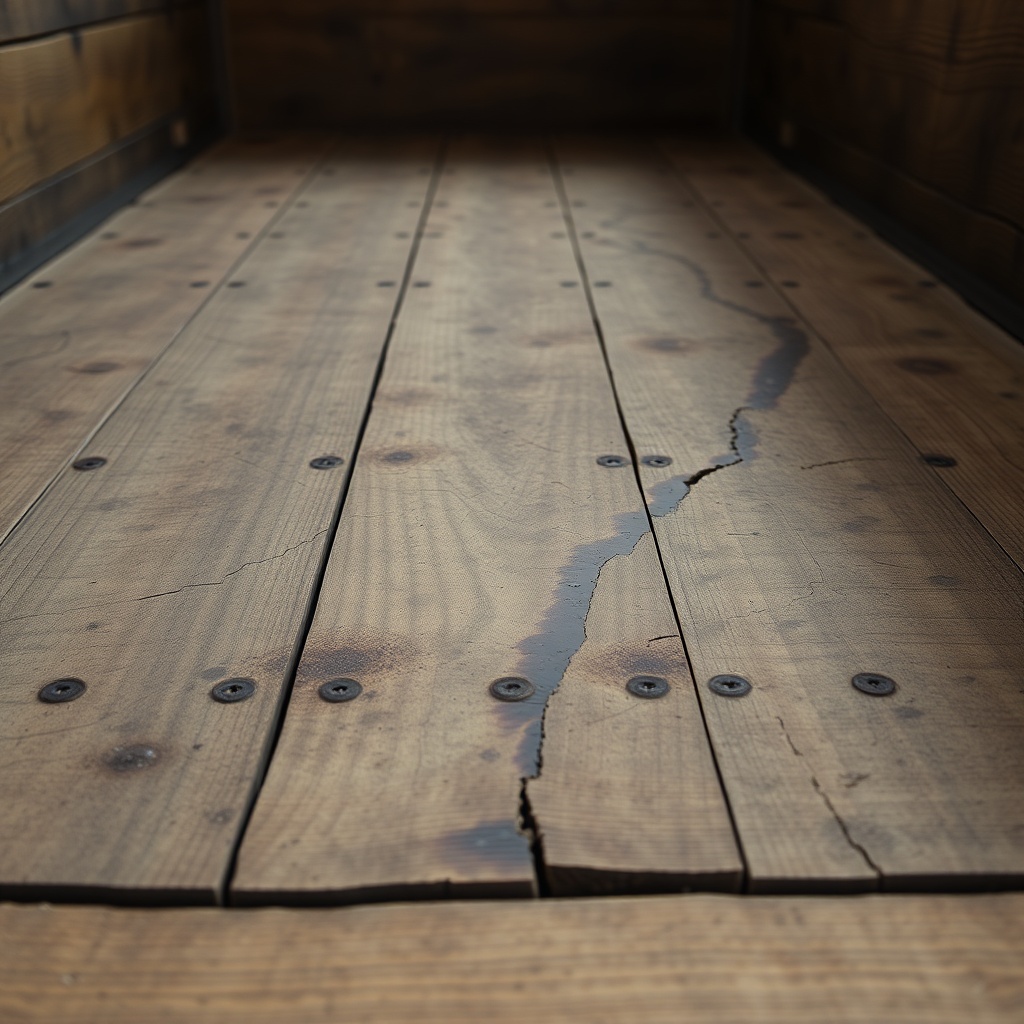
Manure acid—specifically uric acid—breaks down wood fibers at a rate of 0.125 inches per year in regions with high humidity. A 2019 University of Kentucky equine facility study found that unpainted wood floors in horse trailers lose 40% of their structural integrity after 18 months of regular cleaning. HorseTrailerPro’s factory-applied nonskid coating helps, but it wears thin at points of constant hoof contact.
Aluminum floors resist rot entirely but can develop fatigue cracks at weld joints, especially if the trailer is overloaded. HorseTrailerPro’s bearing and axle maintenance guidelines note that overloading by just 15% doubles stress on floor rivets. Owners in the Pacific Northwest report that aluminum floors outlast wood by a factor of three, while owners in arid climates see only a 50% longer lifespan.
How to Perform a Pressure Test on Your HorseTrailerPro Floor
The pressure test is the gold standard for brake controller setup technicians who also check floors, but it requires no special tools. Use a 2-inch putty knife or a long screwdriver with a rounded tip. Probe every 12 inches across the entire floor, focusing on the center aisle where horses stand during travel, the area directly in front of the rear ramp, and the corners near the mangers.
Press with approximately 30 pounds of force (the weight of a medium-sized house cat). If the tool sinks more than 1/4 inch, that indicates advanced rot. Insert the tool at a 45-degree angle along the edges of the floor where it meets the walls. HorseTrailerPro recommends wearing thick gloves for this step, as jagged wood splinters can cause injury.
| Condition | Probe Depth | Action Required | Estimated Cost (USD) |
|---|---|---|---|
| Sound floor | 0 to 1/8 inch | No action needed | $0 |
| Minor wear | 1/8 to 1/4 inch | Seal with marine epoxy | $45-$80 |
| Moderate rot | 1/4 to 1/2 inch | Patch or spot replace | $200-$500 |
| Critical rot | Over 1/2 inch | Full floor replacement | $1,200-$2,800 |
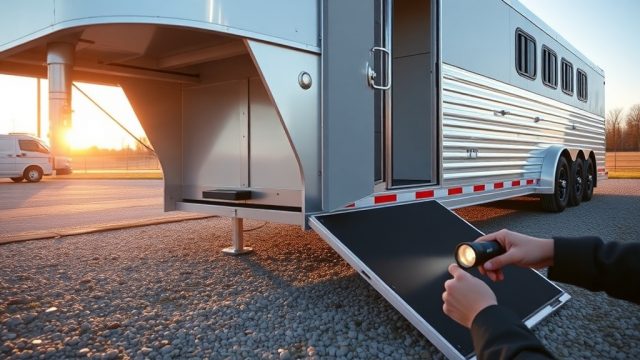
Mark all suspicious areas with chalk before inspecting the underside of the trailer. HorseTrailerPro trailers have a galvanized steel underbelly on many models, which you must remove to assess crossmember health. Use a flashlight to look for rust perforation, which appears as orange or brown rings around bolts.
What Materials Work Best for HorseTrailerPro Floor Repairs?
For wood floor repairs, marine-grade 3/4-inch plywood (A-B exterior grade) is the standard, costing about $75 per 4×8 sheet. HorseTrailerPro owners consistently report that pressure-treated lumber reacts with aluminum rails, causing galvanic corrosion. Stick to exterior-grade fir plywood sealed with two coats of polyurethane-based floor enamel. Aluminum patch panels (0.125-inch thick) are available from HorseTrailerPro dealers for $180 per square foot, cut to size.
Epoxy wood filler (e.g., West System G/flex 650) is excellent for small rot patches smaller than 4 inches in diameter. This material bonds chemically with wet wood fibers and cures with 80% of the strength of the original wood. For larger areas, cut out the damaged section with a circular saw set to exactly the floor thickness, then screw and glue a replacement piece with stainless steel screws spaced every 6 inches. Do not use zinc-plated screws; they corrode within one year.
- Marine plywood patch (under 4 sq ft): $120 in materials, 2 hours labor
- Aluminum floor panel (4×8): $600-$900 installed
- Full wood floor replacement: $1,800-$2,800 (includes removal and disposal)
How to Prevent Floor Rot in Your HorseTrailerPro
Prevention starts with a proper cleaning routine. After every trip, sweep all bedding, manure, and urine-soaked material from the floor. Use a 50/50 white vinegar and water solution—bleach accelerates wood breakdown by breaking down lignin. HorseTrailerPro’s living quarters generator compatibility page recommends running a dehumidifier in the trailer during storage to keep moisture below 50% relative humidity.
Apply a fresh coat of rubberized floor coating (such as Dri-Loc or Edger Tuffdip) every two years. These coatings cost $90-$150 per gallon and cover a standard 3-horse straight load floor. Do not use spray-on bed liners made for pickup trucks—they are not formulated for constant horse manure exposure and peel within six months. Replace rubber floor mats annually, as trapped moisture under mats is the primary cause of hidden rot.
- Clean after each use: 15 minutes
- Dry floor completely before installing mats: 24 hours airflow
- Annual coating refresh: $150-$200 in materials
What Owners Say About HorseTrailerPro Floor Longevity
On equestrian forums and trailer owner groups, HorseTrailerPro owners report an average floor life of 7.2 years for wood floors and 12.5 years for aluminum floors before major repairs are needed. That aligns with the manufacturer’s claim of 8-10 years for wood under normal use. One owner in Kentucky wrote, “My 2008 HorseTrailerPro with wood floor lasted nine years with bi-annual sealing. When I replaced it, the crossmembers were untouched.” Another from Florida reported, “The rear ramp area rotted after five years due to constant rain and no cover. I now park my 2009 model in the garage.”
Critical feedback focuses on the nylon floor rivets used in 2014-2016 models, which some owners found sheared under heavy loads. HorseTrailerPro addressed this in 2017 by switching to stainless steel rivets. Current owners recommend upgrading old rivets with stainless versions (about $0.50 each, 100 rivets per trailer). The comparison with Exiss shows HorseTrailerPro floors score higher in corrosion resistance but lower in impact resistance due to their lighter wood core.
Owners consistently praise the lifetime warranty on aluminum floor panels from HorseTrailerPro dealers. However, labor costs for warranty floor replacement range from $800 to $1,500 depending on your region. Several owners advise checking the warranty terms before purchasing used HorseTrailerPro models, as the aluminum floor warranty is transferable but the wood floor warranty is not.
Frequently Asked Questions
1. How much does it cost to replace the floor in a HorseTrailerPro?
A full wood floor replacement costs between $1,200 and $2,800, depending on trailer size and local labor rates. Aluminum floor replacement ranges from $2,000 to $3,500. DIY wood floor replacement kits cost about $500-$800.
2. Can I repair a small hole in my HorseTrailerPro floor myself?
Yes, holes under 4 inches in diameter can be repaired with epoxy filler and an aluminum backing plate. For larger damage, cut out the section and install a plywood or aluminum patch. Watch for hidden rot behind adjacent panels.
3. How long do HorseTrailerPro wood floors last?
With proper maintenance—sealing, cleaning, and drying—wood floors last 7-10 years. Without maintenance, they may fail in 3-4 years. Aluminum floors last 12-15 years or more.
4. Is the floor covered under the HorseTrailerPro warranty?
Aluminum floors carry a lifetime structural warranty against manufacturing defects. Wood floors have a 3-year warranty. Both exclude damage from misuse, improper cleaning, or failure to perform routine inspections.
5. What type of floor coating is best for HorseTrailerPro?
Rubberized urethane coatings designed for horse trailers, such as Dri-Loc or Trailer Deck Coat, provide the best combination of grip and moisture protection. Avoid acrylic-based or truck bed liner products.
6. How do I check for floor rot without removing mats?
Lift one corner of the mat and feel the surface for softness or sponginess. Look for dark stains, bulging mats, or a musty odor. Also inspect the underside of the trailer for rust spots or moisture drips near crossmembers.